
Before you try another “sleep gadget,” run this checklist.
- Confirm the problem: Is it snoring, 3 a.m. wakeups, or both?
- Pick one change at a time: Don’t stack a new mouthpiece, new pillow, and new supplements in the same week.
- Track outcomes: 10-second phone audio, a snore app, or your partner’s quick 1–5 rating.
- Know the red flags: choking/gasping, breathing pauses, high sleepiness, or high blood pressure history.
This is the no-drama way to protect sleep quality without burning a month (or your budget) on random fixes.
Big picture: why snoring is trending again
Sleep is having a moment. People are comparing wearables, testing “smart” everything, and swapping routines like they’re trading playlists. Add travel fatigue, time changes, and workplace burnout, and you get the same question everywhere: “Why am I exhausted even when I’m in bed for eight hours?”
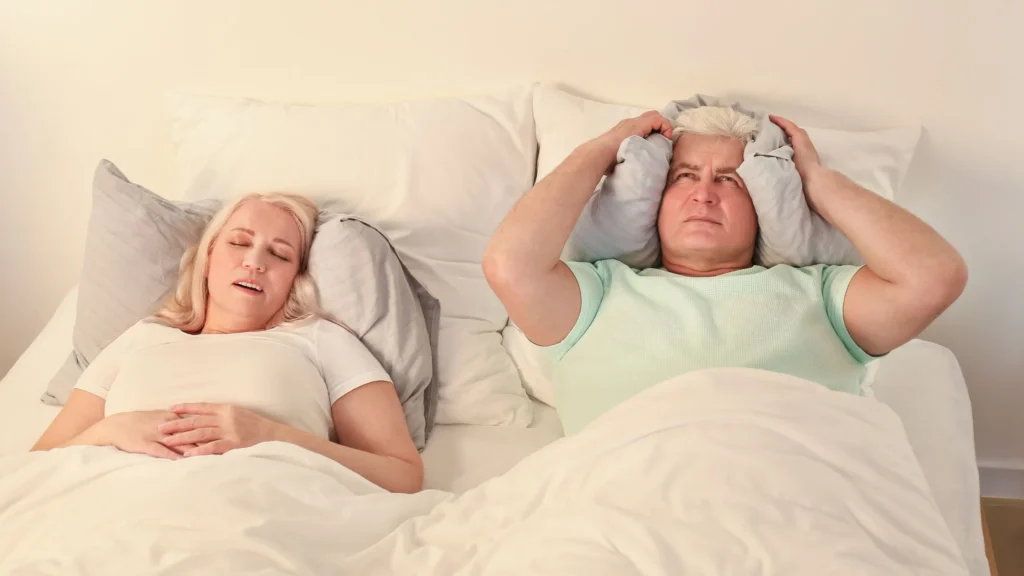
Snoring sits right in the middle of that conversation because it’s loud, measurable, and often shared. It can also be a real sleep disruptor, for the snorer and anyone within earshot.
Recent headlines have also floated broader health angles—like discussions around whether low vitamin D might be associated with snoring. If you want the general context people are referencing, see this Snoring at night? Low vitamin D might be playing a role. Treat it as a prompt to think bigger about sleep health, not as a do-it-yourself diagnosis.
The emotional part: snoring isn’t just “noise”
Snoring turns into relationship comedy until it doesn’t. One person jokes about it. The other person quietly starts dreading bedtime. Then you’re negotiating pillows, earplugs, and “just one more episode” because sleep feels like a fight.
There’s also the personal side. If you wake up foggy, irritable, or craving caffeine by mid-morning, you don’t need a lecture. You need a plan that respects real life and doesn’t require turning your bedroom into a lab.
Practical steps: a budget-first order that avoids wasted weeks
Step 1: Separate snoring from bad sleep habits
Snoring can wreck sleep quality, but it’s rarely the only factor. Recent sleep-hygiene roundups (often based on clinician input) keep circling the same basics because they work for many people:
- Keep wake time steady, even on weekends.
- Cut caffeine earlier than you think you need to.
- Limit alcohol close to bedtime if it worsens snoring.
- Reduce late-night light and doom-scrolling.
If you’re waking at the same time nightly (hello, 3 a.m.), don’t assume snoring is the only culprit. Stress, schedule shifts, and travel recovery can all contribute.
Step 2: Try a targeted device when snoring is the clear issue
If the main complaint is loud, frequent snoring—especially when sleeping on your back—an anti snoring mouthpiece is a practical next test. It’s a focused intervention: you’re trying to change what happens in the mouth and jaw during sleep, not “biohack” your entire life.
People are also talking about multi-part approaches (for example, combining oral support with other barriers or shields). The key is still the same: pick one setup, test it consistently, and measure outcomes.
If you want an option designed as a combo approach, here’s a related product search-style link: anti snoring mouthpiece.
Step 3: Run a 14-night “proof, not vibes” test
- Nights 1–3: Focus on comfort and fit. Expect an adjustment period.
- Nights 4–10: Track snoring volume/frequency and how you feel at midday.
- Nights 11–14: Look for consistency. One good night doesn’t count.
Keep everything else stable during the test. That’s how you avoid spending money twice because you never learned what actually helped.
Safety and smart boundaries: when to stop DIY
Watch for sleep apnea signs
Some recent personal stories in health coverage highlight how obstructive sleep apnea (OSA) symptoms can spill into daily life. Snoring alone doesn’t confirm OSA, but don’t ignore patterns like breathing pauses, choking/gasping, morning headaches, or heavy daytime sleepiness.
If those show up, prioritize an evaluation with a clinician. A mouthpiece can be helpful for some people, but it’s not a substitute for appropriate diagnosis and treatment when apnea is suspected.
Protect your jaw and teeth
Stop and reassess if you notice worsening jaw pain, tooth pain, or bite changes. Mild short-term soreness can happen during adjustment, but persistent or sharp pain is a signal to pause and ask a dentist for guidance.
Medical disclaimer
This article is for general education and does not provide medical advice. It does not diagnose, treat, or cure any condition. If you have symptoms of sleep apnea, significant daytime sleepiness, or ongoing jaw/dental pain, talk with a qualified clinician or dentist.
FAQ: quick answers people are searching right now
Do anti-snoring mouthpieces help with sleep quality?
They can, if snoring is causing repeated micro-awakenings for you or your partner. Better sleep quality usually shows up as fewer interruptions and improved next-day alertness.
What if my snoring is worse after travel?
Travel fatigue, alcohol timing, dehydration, and unfamiliar sleep positions can all make snoring louder. Stabilize your schedule for a few nights, then test changes.
Can a mouthpiece replace sleep hygiene?
No. Think of it as a targeted tool. Sleep hygiene handles the “system”; a mouthpiece addresses one common mechanical contributor to snoring.
CTA: get a clear answer fast
If you’re tired of guessing, choose one change and measure it for two weeks. That’s how you avoid the cycle of buying, quitting, and buying again.