
Is snoring just “annoying,” or is it ruining sleep quality?
Are anti-snoring mouthpieces actually worth trying before buying another sleep gadget?
What can you do at home this week without wasting a full month?
Yes, snoring can be more than a punchline. It can fragment sleep for the snorer, the partner, or both. And yes, an anti snoring mouthpiece can be a practical first step for many people—if you approach it like a simple test, not a forever commitment.
Below is a budget-first plan built around what people have been talking about lately: sleep tech trends, dentist-guided solutions for snoring, travel fatigue, and the burnout-to-bedtime pipeline that makes everything louder at 2 a.m.
Big picture: why snoring feels like it’s everywhere right now
Snoring didn’t suddenly appear. What changed is the spotlight. Sleep trackers, smart rings, white-noise machines, and “sleep optimization” content make nighttime problems feel measurable—and urgent.
Workplace burnout also plays a role. When you’re running on fumes, you notice every wake-up. Add travel fatigue, late dinners, or a couple drinks on a work trip, and snoring can spike at the worst time.
There’s also more mainstream talk about dental approaches for snoring and sleep-disordered breathing. Some dentists evaluate snoring and may offer oral appliances in appropriate cases. For a general reference point, see this coverage about a dentist discussing care options: In HelloNation, Dental Expert Dr. Eric Runyon of Belton, MO Discusses How Dentists Treat Snoring & Sleep Apnea.
Emotional reality: snoring isn’t just noise
Snoring gets joked about because it’s awkward. The real issue is what it does to relationships and mornings.
If you share a bed, snoring can turn sleep into negotiations: who gets the pillow wall, who moves to the couch, who “started it.” If you sleep alone, you may still wake up feeling unrefreshed and blame stress, screens, or caffeine—sometimes correctly, sometimes not.
Try to treat snoring like a shared problem, not a character flaw. That mindset makes it easier to test solutions calmly and quit the ones that don’t help.
Practical steps: a no-waste way to test an anti-snoring mouthpiece
Think of this as a two-week experiment. You want a clear “better / not better,” not perfection.
Step 1: Get clear on your snore pattern (2 nights)
Before you change anything, capture a baseline. Use a simple phone audio recording or a sleep app if you already have one. Keep it basic. You’re listening for volume, frequency, and whether there are pauses followed by snorts or gasps.
Step 2: Fix the easy stuff first (3–5 nights)
These don’t cost much and help you interpret mouthpiece results:
- Side-sleeping: Many people snore more on their back.
- Nasal breathing support: If you’re congested, address that (saline rinse, shower steam, or other gentle options you tolerate).
- Alcohol timing: If you drink, avoid having it close to bedtime for this test window.
- Consistent sleep window: Even a 30–60 minute swing can change snoring intensity.
Step 3: Choose the right category of device (then commit to the trial)
Most anti-snoring mouthpieces fall into two buckets:
- Mandibular advancement devices (MADs): These gently bring the lower jaw forward to reduce airway collapse and vibration.
- Tongue-retaining devices (TRDs): These aim to keep the tongue from falling back.
Many shoppers start with a MAD-style option because it’s common and familiar. If you want a place to compare anti snoring mouthpiece, focus on comfort features, adjustability, and return policies. Those details matter more than hype.
Step 4: Track results like a grown-up (7–14 nights)
Use a quick checklist each morning:
- Did the bed partner wake up?
- Did you wake up with dry mouth, jaw soreness, or tooth pressure?
- Do you feel more alert before noon?
- What did the audio recording sound like compared to baseline?
If you see improvement but feel mild discomfort, that can be normal early on. If you feel real pain, stop. Don’t “push through” jaw symptoms to save money.
Safety and testing: when to DIY, when to get help
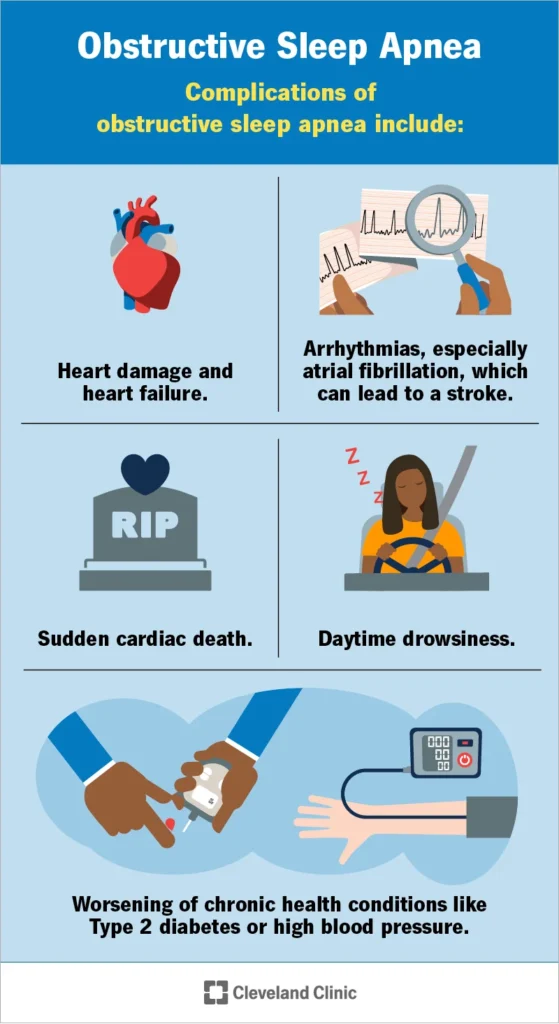
An anti-snoring mouthpiece is not the same as medical treatment for sleep apnea. Snoring can be harmless, but it can also be a clue that breathing is disrupted during sleep.
Stop the experiment and seek evaluation if you notice red flags
- Choking, gasping, or long pauses in breathing observed by a partner
- Severe daytime sleepiness, morning headaches, or high blood pressure concerns
- Worsening symptoms after trying a device
Dental comfort checks (don’t skip these)
Be cautious if you have TMJ symptoms, loose teeth, gum disease, or significant dental work. A poor fit can aggravate jaw issues or cause tooth movement over time. When in doubt, a dentist can help you decide whether an oral appliance approach is appropriate.
Kid sleep habits are a separate lane
Adults often borrow “sleep hacks” from parenting content and vice versa. But children aren’t small adults. If a child snores regularly, has restless sleep, or struggles during the day, talk with a pediatric clinician rather than trying adult-style devices.
FAQ: quick answers before you spend another dollar
Can an anti snoring mouthpiece help right away?
Some people notice a difference the first night, but comfort and fit often take several nights to dial in. If symptoms worsen or you feel unwell, stop and reassess.
What’s the difference between a mouthpiece and a mouthguard?
A typical sports mouthguard mainly protects teeth. An anti-snoring mouthpiece is designed to change jaw or tongue position to reduce airway collapse and vibration.
Is snoring always a sign of sleep apnea?
No. Snoring can happen without sleep apnea. But loud, frequent snoring plus choking, gasping, or heavy daytime sleepiness can be a red flag worth medical evaluation.
Do mouthpieces work for everyone?
No. They tend to help more with certain snoring patterns and mild-to-moderate breathing issues during sleep. Anatomy, sleep position, nasal congestion, and alcohol can change results.
Can I use an anti-snoring mouthpiece if I have TMJ or dental issues?
Use extra caution. Jaw pain, loose teeth, gum disease, or significant dental work can make some devices a poor fit. A dentist can help you choose safer options.
CTA: make the next step simple
If you want a practical, at-home starting point, begin by comparing mouthpiece styles and comfort features, then run a short trial with basic tracking. That’s how you avoid the “drawer of sleep gadgets” problem.
How do anti-snoring mouthpieces work?
Medical disclaimer: This article is for general education only and is not medical advice. Snoring can have many causes. If you suspect sleep apnea, have significant daytime sleepiness, or develop jaw/tooth pain with any device, consult a qualified clinician or dentist for personalized guidance.