
Is snoring suddenly ruining your sleep quality? Are sleep gadgets everywhere, but none feel like a sure bet? And could an anti snoring mouthpiece be the simple fix that finally sticks?
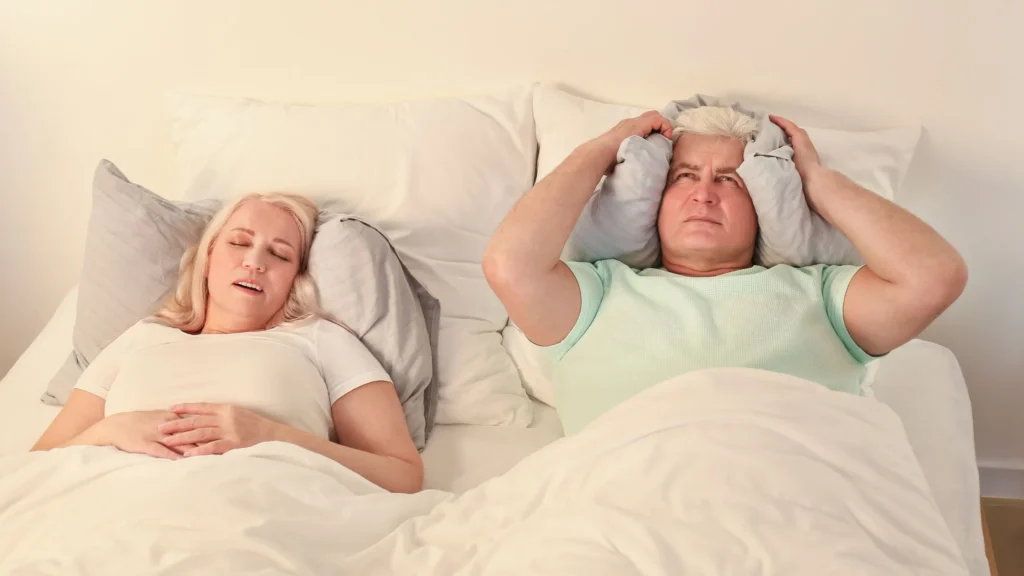
Those are the questions people keep asking right now—between wearable sleep scores, “biohacking” trends, work-from-anywhere burnout, and travel fatigue that makes everyone snore louder. Let’s break down what’s worth your attention, what to do first, and how to use a mouthpiece the smart way.
Overview: what’s actually going on with snoring right now
Snoring is having a cultural moment, mostly because sleep is. People track it, joke about it, and argue about it at 2 a.m. Then they buy a gadget and hope for peace.
Here’s the grounded take: snoring is often about airflow and vibration in the throat or soft tissues. It can be made worse by congestion, alcohol, sleep position, and exhaustion. It can also overlap with sleep apnea, but the two aren’t identical.
One important trend in recent coverage: you can have sleep apnea even if you don’t snore. If you suspect apnea—gasping, choking awakenings, morning headaches, or heavy daytime sleepiness—don’t self-manage in silence. Bring it up with a clinician.
If you want a general starting point for lifestyle and practical steps, see Yes, You May Have Sleep Apnea Even If You Don’t Snore.
Timing: when to try changes so you can tell what’s working
Snoring fixes fail for one big reason: people change five things at once. Then nobody knows what helped, and the drawer fills up with “almost” solutions.
Use this timing plan instead:
- Night 1–3: stabilize your basics (sleep schedule, alcohol timing, nasal comfort). Keep everything else the same.
- Night 4–10: add one targeted intervention (like a mouthpiece). Track results in a simple note: snoring loudness, awakenings, and morning feel.
- After 2 weeks: decide. If it’s clearly better, keep going. If it’s not, pivot rather than “power through.”
This approach matters even more after travel. Jet lag, dehydration, and unfamiliar pillows can temporarily spike snoring. Give yourself a few nights at home before judging any device.
Supplies: what you’ll want on hand (no gadget pile required)
You don’t need a lab setup. You need consistency and a few basics:
- Simple tracking: notes app or a sleep app trend line (don’t obsess over a single score).
- Nasal support: whatever helps you breathe comfortably at night (saline rinse or strips for some people).
- Hydration plan: earlier in the day, not chugging right before bed.
- A realistic snoring tool: for many, that’s an anti-snoring mouthpiece designed to keep the airway more open by repositioning the jaw or stabilizing the mouth.
If you’re comparing options, one category people look for is a anti snoring mouthpiece. The idea is to support mouth closure and reduce the mouth-breathing pattern that can worsen snoring for some sleepers.
Step-by-step (ICI): a practical way to test an anti snoring mouthpiece
Use this ICI method: Inspect → Customize → Iterate. It’s boring. It works.
1) Inspect: check fit, comfort, and your “snoring pattern”
Before the first night, ask:
- Do you mostly snore on your back, or in any position?
- Do you wake with a dry mouth (possible mouth breathing)?
- Do you have nasal congestion most nights?
This helps you interpret results. A mouthpiece may help more when snoring is position-related or linked to jaw/tongue placement.
2) Customize: follow the product directions and start gently
Fit matters. A poor fit can create jaw strain and make you quit early.
- Follow the manufacturer’s fitting steps exactly.
- Wear it for short periods while awake first (like reading) to reduce surprise discomfort.
- Aim for “secure, not tight.” Pain is a stop sign.
3) Iterate: adjust based on mornings, not midnight panic
Give it a fair trial. Use a small loop:
- Each morning: note jaw comfort, sleep interruptions, and partner feedback (if applicable).
- Every 3–4 nights: adjust only if instructions allow it and comfort is stable.
- After 10–14 nights: decide whether the benefit is real.
If you’re sharing a room, agree on a “data truce.” One funny comment at breakfast beats ten irritated nudges at 3 a.m.
Mistakes that waste money (and sleep)
- Expecting a mouthpiece to fix everything. If congestion, alcohol, or sleep deprivation is driving the problem, address those too.
- Chasing perfect sleep scores. Wearables can be useful, but they can also trigger sleep anxiety. Focus on how you feel and whether awakenings drop.
- Ignoring red flags. Loud snoring plus gasping, choking, or extreme daytime sleepiness deserves medical evaluation.
- Over-tightening or forcing fit. Discomfort can lead to jaw issues and poor adherence.
- Changing three variables at once. You’ll never know what helped, and you’ll give up too soon.
FAQ: quick answers people keep asking
Is snoring always a health problem?
Not always, but it can be a sign of disrupted breathing and poor sleep quality. It also affects partners and household sleep, which matters.
What if I only snore when I’m exhausted or traveling?
That’s common. Treat it like a “flare.” Fix the basics first, then test a device once you’re back to a normal routine.
Can an anti snoring mouthpiece help with workplace burnout?
It won’t solve burnout, but better sleep can improve mood, focus, and resilience. Think of it as reducing one load-bearing stressor.
CTA: pick a simple next step tonight
If snoring is dragging down your sleep quality, don’t wait for the next gadget trend to tell you what to do. Choose one change, track it for two weeks, and reassess.
How do anti-snoring mouthpieces work?
Medical disclaimer: This article is for general education only and is not medical advice. Snoring can be linked to sleep apnea and other conditions. If you have choking/gasping during sleep, significant daytime sleepiness, heart or lung disease, or persistent symptoms, seek evaluation from a qualified clinician or sleep professional.