
- Snoring is having a cultural moment: sleep trackers, “sleep hygiene” checklists, and new anti-snore gadgets are everywhere.
- Sleep quality is the real goal: fewer wake-ups, less resentment, and better daytime energy.
- An anti snoring mouthpiece can be a practical first try for many people with simple snoring.
- Not all snoring is “just snoring”: some patterns can overlap with obstructive sleep apnea (OSA).
- Couples do best with a plan: agree on steps, timelines, and what “better” means.
What people are talking about right now (and why it matters)
Sleep has turned into a full-on lifestyle category. You’ll see campus wellness offices pushing sleep hygiene basics, apps scoring your “readiness,” and travelers swapping hacks to recover from red-eyes and jet lag. Even workplace burnout conversations keep circling back to one question: are you actually resting?
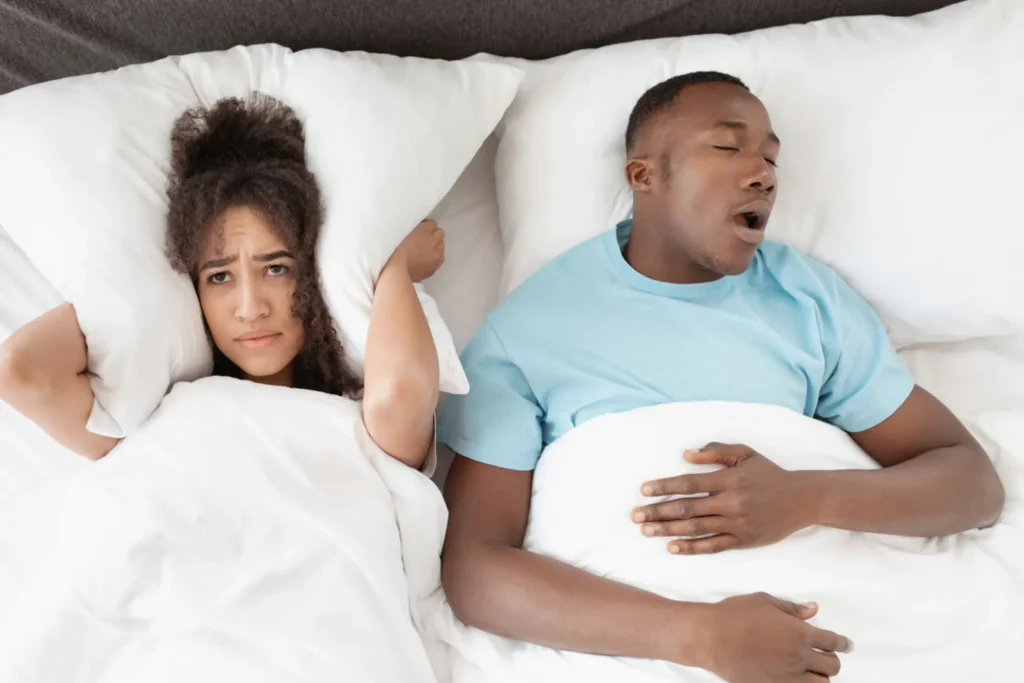
Snoring fits into this because it’s rarely a solo problem. It’s the nudge at 2:11 a.m. The spare-bedroom joke that stops being funny. The “I’m fine” that isn’t fine when both people are running on fumes.
There’s also a steady stream of articles about anti-snore devices and newer trends like mouth taping. The vibe is clear: people want something that works without turning bedtime into a medical event.
What matters medically (without overcomplicating it)
Snoring happens when airflow meets resistance and soft tissues vibrate. That resistance can come from sleep position, nasal congestion, alcohol close to bedtime, or jaw/tongue positioning. Sometimes it’s just loud and annoying. Other times, it’s part of a bigger picture.
Obstructive sleep apnea (OSA) is the headline risk people keep hearing about, and for good reason. OSA involves repeated breathing disruptions during sleep. Many health outlets have discussed how untreated OSA can be linked with serious health concerns over time. If you want a general overview, see this reference on Snooze smarter with these Campus Health sleep hygiene tips.
Quick self-check: when snoring is more than a noise
Consider getting evaluated if you notice any of these patterns:
- Choking, gasping, or pauses in breathing reported by a partner
- Excessive daytime sleepiness, “brain fog,” or dozing off easily
- Morning headaches or dry mouth that feels intense
- High blood pressure or other cardiometabolic concerns (ask your clinician)
Medical note: This article is educational and not a diagnosis. If you suspect sleep apnea or have concerning symptoms, a clinician or sleep specialist is the right next step.
How to try at home (a low-drama plan that couples can stick to)
Think of this as a two-lane approach: reduce the “snore triggers” and test a tool that targets airflow resistance. Keep it simple. Run it like an experiment for two weeks.
Lane 1: Small routine wins (sleep hygiene, minus the perfectionism)
Sleep hygiene tips are trending for a reason: they’re boring, but they work for many people. You don’t need a flawless routine. You need a repeatable one.
- Pick a consistent lights-out window (even on weekends, within reason).
- Cut “late-night stimulants”: heavy meals, lots of alcohol, or intense workouts too close to bed can backfire for some sleepers.
- Decongest the basics: if you’re stuffed up, address nasal comfort in a safe way that fits your health history.
- Try side-sleeping: a body pillow or backpack-style positional aid can reduce back-sleeping for some people.
If you travel often, assume your first nights back will be rough. Travel fatigue can make snoring feel louder because sleep is lighter and more fragmented. Plan for it instead of arguing at midnight.
Lane 2: Where an anti snoring mouthpiece can fit
An anti snoring mouthpiece is designed to change jaw or tongue positioning to help keep the airway more open during sleep. It’s not a cure-all, but it can be a strong option for simple snoring—especially when your partner says the sound is worse on your back or after a few drinks.
What a realistic trial looks like:
- Comfort first: mild adjustment is common early on, but sharp pain is not a “push through it” situation.
- Track outcomes that matter: fewer nudges, fewer wake-ups, and less morning grogginess.
- Keep expectations grounded: the goal is better sleep quality, not silence at any cost.
If you’re comparing options, you can look at an anti snoring mouthpiece to see how a combined approach is described. Fit and comfort still matter most.
A word on mouth taping (because it’s everywhere)
Mouth taping gets attention as a “simple hack,” but it’s not universally safe or appropriate. If nasal breathing is limited, taping can create discomfort and potential risk. If you’re curious, treat it like a medical-adjacent tool, not a dare. A clinician can help you think it through, especially if OSA is possible.
When to stop DIY and get help
Get professional input sooner rather than later if any red flags show up. Loud nightly snoring with choking/gasping, extreme daytime sleepiness, or high-risk health history deserves a real evaluation.
Also get help if your relationship is taking hits. Sleep loss can turn small issues into big ones. A simple script helps: “I’m not mad at you. I’m tired. Let’s pick two things to try for two weeks, then reassess.”
FAQ
Can a mouthpiece improve sleep quality even if I still snore a little?
Yes. Many couples care more about fewer wake-ups and less intensity than total silence.
What if I wake up with jaw soreness?
Mild soreness can happen early, but it should improve. If it’s persistent or sharp, stop and ask a dental professional for guidance.
Should I use a mouthpiece if I think I have sleep apnea?
Don’t self-manage suspected OSA without a clinician. Proper evaluation matters, and treatment choices depend on severity and anatomy.
CTA: Make tonight a little easier
You don’t need to buy every sleep gadget trending this week. Start with a simple routine reset and one tool you can actually stick with.
How do anti-snoring mouthpieces work?
Medical disclaimer: This content is for general education only and isn’t medical advice. It doesn’t diagnose, treat, or replace care from a qualified clinician. If you have symptoms of sleep apnea or significant daytime sleepiness, seek medical evaluation.