
- Snoring is having a moment because sleep gadgets are everywhere, but basics still matter.
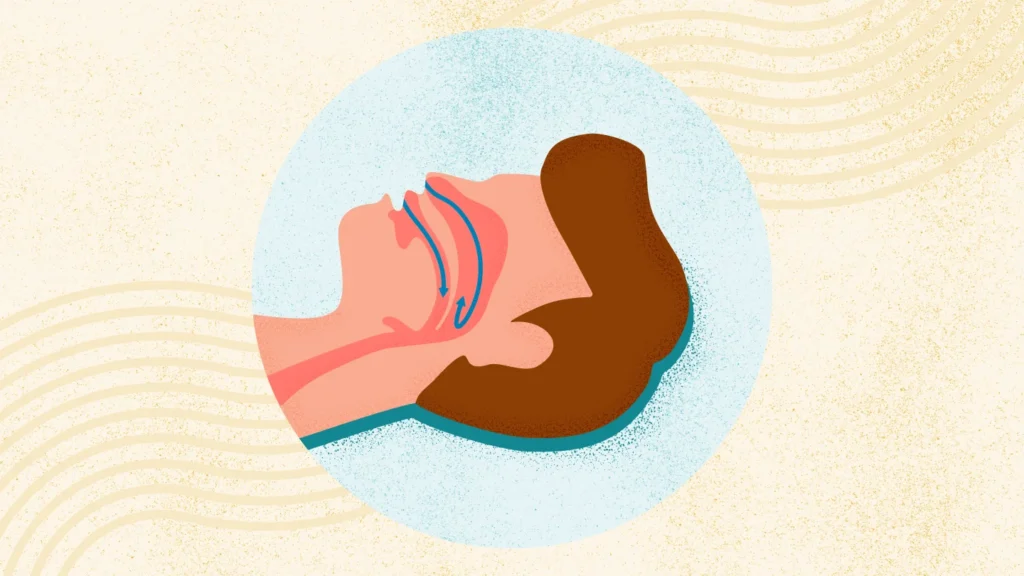
- An anti snoring mouthpiece can help when your jaw/tongue position narrows airflow.
- Not all snoring is “just snoring.” Some patterns warrant sleep apnea screening.
- Small changes stack. Side-sleeping, nasal comfort, and routines can boost results.
- Safety is the plan. Track outcomes, watch for red flags, and don’t push through pain.
The big picture: why everyone’s talking about snoring again
Sleep has become a mini industry. New devices, new wearables, and new “sleep hacks” show up every week. Recent headlines also point to fresh clinical trials exploring anti-snoring tech, which keeps the conversation in the spotlight.
At the same time, real life is louder than a marketing claim. Travel fatigue messes with routines. Workplace burnout shortens patience. And relationship humor about “who snores louder” stops being funny around night three of bad sleep.
Snoring vs. sleep quality: the hidden cost
Even when snoring isn’t dangerous, it can still be disruptive. Fragmented sleep can leave you foggy, irritable, and less resilient to stress. Partners often feel it first, but the snorer’s sleep can be lighter too.
Where mouthpieces fit in the current sleep trend cycle
People are trying everything from smart pillows to nasal accessories. Mouthpieces stay popular because they’re simple and portable. No app required. That matters if you’re bouncing between time zones or sleeping in hotels.
The emotional side: snoring isn’t just a “you” problem
Snoring can turn bedtime into a negotiation. One person wants silence. The other wants to stop being blamed for something they’re not doing on purpose.
If this is you, frame it as a shared project. The goal is better sleep for both of you, not a nightly verdict. A short trial plan reduces friction and keeps things practical.
Quick reality check for couples (and roommates)
If snoring is creating tension, agree on a two-week experiment. Pick one change at a time. Track what happens. That beats cycling through random gadgets in a panic-buy spiral.
Practical steps: a no-drama plan to test an anti snoring mouthpiece
A mouthpiece is not magic. It’s a tool. Use it like one: set a baseline, test it, and measure whether it helps.
Step 1: Spot the pattern you’re actually dealing with
Before you buy anything, write down a few basics for 5–7 nights: snoring frequency (as reported by a partner or an app), morning dryness, headaches, and daytime sleepiness. Add alcohol intake and congestion notes. Patterns show up fast.
Step 2: Reduce “easy” blockers first
Nasal discomfort can make snoring worse for some people. You’ll also see headlines about simple nasal approaches being studied in kids with sleep-disordered breathing. Adults are different, but the takeaway is still useful: if you’re stuffy, address that before judging any mouthpiece.
Also, avoid “revenge bedtime procrastination.” Staying in bed longer doesn’t always mean better rest, and irregular wake times can backfire. Aim for a consistent wake-up window so your sleep pressure stays steady.
Step 3: Choose a mouthpiece with boring, practical features
Look for comfort-first design, clear cleaning instructions, and a return policy. If you want a starting point for shopping, browse anti snoring mouthpiece and compare fit style, materials info, and user guidance.
Step 4: Run a 10-night trial like you mean it
Use the mouthpiece consistently for 10 nights unless you develop pain or concerning symptoms. Keep notes on snoring volume, partner wake-ups, and how your jaw feels in the morning. If your sleep feels worse, that matters too.
Step 5: Stack one supportive habit (not five)
Pick one add-on: side-sleeping, a gentle wind-down routine, or managing nighttime congestion. Don’t change everything at once. If it improves, you’ll know what helped.
Safety and screening: protect your health (and your bite)
Snoring sometimes overlaps with sleep apnea, which is why medical centers keep publishing explainers on it. You don’t need to self-diagnose. You do need to recognize when snoring is a signal, not just a sound.
Red flags that should trigger screening
- Choking, gasping, or witnessed breathing pauses
- Severe daytime sleepiness or dozing off unintentionally
- Morning headaches, high blood pressure concerns, or persistent brain fog
- Snoring that’s loud, nightly, and worsening over time
If those show up, consider talking with a clinician or a sleep clinic before relying on a mouthpiece alone.
Comfort and jaw safety: the “don’t tough it out” rule
Stop using a mouthpiece if you develop sharp jaw pain, tooth pain, numbness, gum irritation, or a bite that feels “off” later in the day. Mild adjustment discomfort can happen early on, but pain that escalates is a no.
Hygiene and documentation (yes, it matters)
Clean the device as directed and store it dry. Replace it when it shows wear. For your own clarity, keep a quick log of when you started, what model you used, and any symptoms. That record helps if you later consult a dentist or sleep specialist.
Want to see what’s being studied right now?
Skim this coverage for context on what researchers are testing: Zeus Sleep Secures £1.48m To Trial Anti-Snoring Device For Sleep Apnoea. Treat headlines as a starting point, not a personal treatment plan.
FAQ (quick answers)
Do anti-snoring mouthpieces work for everyone?
No. They’re most relevant when jaw/tongue position contributes to snoring.
How long does it take to notice results?
Often within a few nights for snoring volume, with comfort improving over 1–2 weeks.
Is snoring always a sign of sleep apnea?
No, but loud frequent snoring plus choking/gasping or severe sleepiness deserves screening.
Can I use a mouthpiece if I have TMJ?
Be cautious. If you have TMJ symptoms, consider dental input before prolonged use.
What else helps with sleep quality?
Consistent wake time, side-sleeping, and addressing congestion can support better nights.
Next step: get a simple answer, then decide
If you want the plain-English overview before you buy anything, start here:
How do anti-snoring mouthpieces work?
Medical disclaimer: This article is for general information only and is not medical advice. Snoring can have many causes, including sleep apnea. If you have red-flag symptoms (gasping, breathing pauses, severe daytime sleepiness, chest pain, or worsening health concerns), seek evaluation from a qualified clinician.