
Is your snoring “just annoying,” or a sign your sleep quality is taking a real hit?
Are you wondering if an anti snoring mouthpiece is worth trying before you buy another sleep gadget?
And if your partner is “joking” about sleeping in the other room, what’s the fastest, least dramatic next step?
This guide answers those questions with a simple if-then path. It’s built for what people are talking about right now: wearable sleep scores, travel fatigue, burnout mornings, and the growing attention on obstructive sleep apnea (OSA) and long-term health. You’ll get practical decision points, not hype.
Why snoring is trending beyond “relationship noise”
Snoring used to be a punchline. Now it’s showing up in conversations about heart health, brain health, and workplace exhaustion. That shift is happening for a reason: more people are tracking sleep, more people feel chronically tired, and more headlines are reminding us that untreated OSA can be tied to serious health risks.
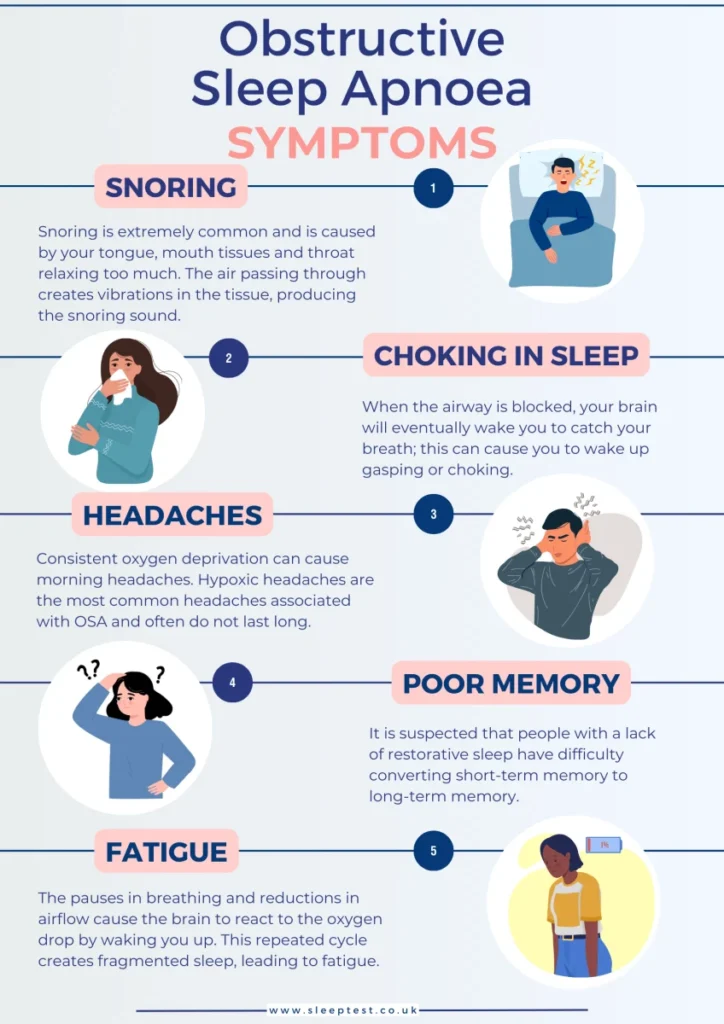
Not every snorer has sleep apnea. Still, loud snoring plus poor sleep quality is a signal worth taking seriously—especially if you’re also dealing with morning headaches, brain fog, or dozing off too easily during the day.
If you want a quick read on the broader discussion, see this Preventing Alzheimer’s disease and dementia by treating obstructive sleep apnea.
Your decision guide: If…then… choose the next move
Use these branches like a map. Pick the line that matches your situation most closely.
If your snoring is occasional (travel, alcohol, congestion)… then start with “situational fixes”
Red-eye flights, hotel pillows, and late dinners can make anyone sound like a chainsaw. If snoring spikes after travel or during a cold, you may be dealing with temporary airway irritation or sleep-position changes.
Then: focus on basics for a week: consistent bedtime, side-sleeping support, nasal comfort, and cutting late-night alcohol. If your sleep score improves and the snoring fades, you’ve learned it’s likely situational.
If you snore most nights and feel unrefreshed… then consider a mouthpiece as a practical trial
When snoring becomes the norm, sleep quality often drops even if you don’t fully wake up. That can show up as irritability, low patience, and the “I need coffee to be a person” morning routine.
Then: an anti snoring mouthpiece may be a reasonable next step, especially if you want a low-profile option that doesn’t involve machines. Many mouthpieces aim to keep the airway more open by positioning the jaw or stabilizing the tongue.
To compare options, you can review anti snoring mouthpiece and focus on comfort, adjustability, and how easy it is to keep clean.
If your partner reports pauses, choking, or gasping… then prioritize screening for OSA
Snoring plus breathing pauses is not a “power through it” situation. It’s a reason to talk with a clinician about possible obstructive sleep apnea and whether you need a sleep study.
Then: treat this as a health step, not just a noise problem. Recent health coverage has emphasized that addressing OSA may matter for long-term outcomes, including heart and brain health. The right solution might still include an oral appliance, but it should be chosen in the right context.
If you’re burned out and relying on sleep gadgets for reassurance… then simplify your plan
Sleep trackers can be helpful, but they can also turn rest into a nightly performance review. If you’re anxious about your numbers, you might be missing the bigger picture: breathing, comfort, and consistency.
Then: choose one change at a time. For many people, reducing snoring is the highest-leverage move because it can improve sleep continuity for both partners. A mouthpiece trial is often simpler than rotating through sprays, tapes, and new pillows every weekend.
What “better sleep quality” actually means (beyond a score)
Sleep quality is less about perfection and more about restoration. You’re looking for fewer awakenings, steadier breathing, and mornings that don’t feel like a second shift.
Signs you’re moving the right direction:
- You wake up with a clearer head.
- You need less “catch-up” sleep on weekends.
- Your partner reports fewer loud episodes.
- You’re not fighting drowsiness during meetings or commutes.
Where an anti-snoring mouthpiece fits (and where it doesn’t)
A mouthpiece can be a smart middle ground: more direct than a new pillow, less involved than a machine-based setup. It’s often used when snoring seems tied to airflow restriction during sleep.
However, it’s not a one-size-fits-all fix. Jaw discomfort, dental issues, and suspected sleep apnea are all reasons to slow down and get guidance. If symptoms suggest OSA, professional evaluation matters.
FAQ: quick answers before you decide
Can an anti snoring mouthpiece help everyone who snores?
It can help some people, especially with positional snoring or airway narrowing during sleep. It won’t be the right fit for every cause of snoring.
Is loud snoring always sleep apnea?
No. Snoring can happen without sleep apnea, but loud, frequent snoring plus choking/gasping or heavy daytime sleepiness can be a red flag to discuss with a clinician.
What’s the difference between a mouthpiece and CPAP?
A mouthpiece aims to reposition the jaw or tongue to keep the airway more open. CPAP uses air pressure to keep the airway from collapsing and is commonly used for diagnosed sleep apnea.
How fast do mouthpieces work?
Some people notice changes within a few nights, while others need an adjustment period. Comfort and fit strongly affect results.
What questions should I ask my doctor if I suspect OSA?
Ask about symptoms to track, whether you need a sleep study, treatment options (including oral appliances), and how treatment may affect heart and brain health.
CTA: take one step tonight (without overcomplicating it)
If snoring is dragging down your sleep quality, pick the simplest next move that matches your symptoms. For many households, that means trying a mouthpiece while also staying alert to signs of sleep apnea.
How do anti-snoring mouthpieces work?
Medical disclaimer: This article is for general education and isn’t medical advice. Snoring can have multiple causes. If you have choking/gasping, breathing pauses, chest pain, severe daytime sleepiness, or concerns about sleep apnea, talk with a qualified clinician for evaluation and personalized guidance.