
Q: Is your snoring just annoying, or is it costing you real sleep?
Q: Are you seeing nonstop “sleep hacks” and gadgets and wondering what actually helps?
Q: Do you want a simple way to decide whether an anti snoring mouthpiece is worth trying?
Yes, yes, and yes. Let’s answer all three with a practical decision guide, then lock in the basics: comfort, positioning, and cleanup.
What people are talking about right now (and why it matters)
Sleep has become a full-on culture topic. You’ll see headlines about tiny habit changes tied to longevity, warnings about late-night scrolling, and a steady stream of new sleep gadgets. Add travel fatigue, workplace burnout, and the classic “my partner says I sound like a lawnmower” humor, and it makes sense that snoring fixes are trending.
But snoring isn’t only a relationship issue. In some cases, it can be connected to obstructive sleep apnea (OSA), which is why medical sources emphasize paying attention to symptoms and patterns. If you want an overview from a major medical publisher, see Study claims this specific sleeping habit could add four years to your life span.
Decision guide: If…then… (pick your path)
Use these branches to choose the next step without overthinking it.
If your main problem is “I’m tired, but I’m also doomscrolling” → then fix the easy sleep leaks first
If you regularly lose hours to your phone, you’re not alone. The simplest win is protecting the last part of your night so you can actually fall asleep and stay asleep.
- Set a “screens down” time you can repeat most nights.
- Keep the room cool, dark, and quiet enough to stay asleep.
- Limit late alcohol or heavy meals if they worsen snoring for you.
This won’t “cure” snoring in every case. It does make any snoring solution work better because you’re not fighting a sleep debt.
If snoring ramps up after travel or long workweeks → then prioritize positioning and recovery
Travel fatigue and burnout often show up as lighter, more fragmented sleep. That can make snoring feel louder and more frequent. Try the low-tech fixes that reduce airway collapse and congestion pressure.
- Side-sleeping often helps. A pillow behind your back can keep you from rolling flat.
- Elevate your head slightly if you notice reflux or congestion at night.
- Hydrate earlier in the day. Dry mouth can make mouth-breathing worse.
If you snore most nights and your partner reports gasps or pauses → then treat it like a health question
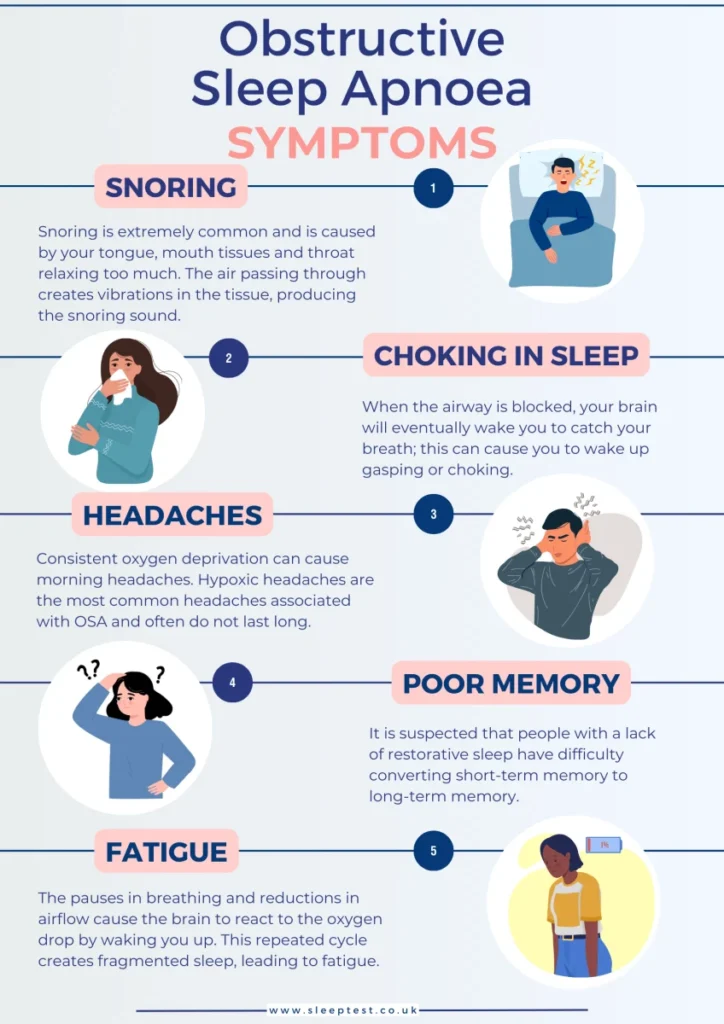
Here, “just try a gadget” isn’t the best first move. Loud snoring plus breathing pauses, choking sounds, or significant daytime sleepiness deserves a conversation with a clinician or a sleep specialist. Case reports and clinical discussions sometimes highlight that OSA doesn’t always look “textbook,” so it’s worth getting checked if the pattern fits.
Think of this step as getting clarity. You’re not being dramatic. You’re being efficient.
If you mainly snore without red flags → then an anti snoring mouthpiece may be a reasonable trial
Many anti-snoring mouthpieces work by gently holding the lower jaw forward (often called mandibular advancement). That can reduce the vibration of soft tissues that creates the snore sound.
If you want a product option to compare, look at an anti snoring mouthpiece. A chin strap can help some mouth-breathers keep lips closed, which may reduce dry mouth and noise for certain sleepers.
Make a mouthpiece trial work: ICI basics (Insert, Comfort, Improve)
A mouthpiece trial fails most often for predictable reasons: it feels bulky, it irritates the jaw, or it’s annoying to clean. Here’s how to reduce those issues.
Insert: start with a consistent routine
Put it in after brushing, right before lights out. That cuts down on “one more scroll” time and helps your brain link the device with sleep.
Comfort: reduce soreness and pressure points
- Ease in: Wear it for shorter periods for a few nights if you feel jaw fatigue.
- Check fit: A too-tight fit can cause tooth pressure. Too loose can slip and wake you up.
- Watch your jaw: Mild adjustment discomfort can happen early. Sharp pain is a stop sign.
Improve: use positioning to boost results
A mouthpiece plus side-sleeping can be more effective than either alone for many people. If your snoring is worse on your back, treat that as a strong clue.
Cleanup and care (so it doesn’t get gross)
Keep it simple. Rinse after use, clean gently with a soft brush, and let it dry fully. Replace it if it cracks, warps, or starts to smell even after cleaning.
Skip harsh cleaners unless the manufacturer recommends them. Some products can degrade with aggressive chemicals or hot water.
When to stop guessing and get evaluated
If you have loud nightly snoring plus any of the following, move “evaluation” to the top of your list: witnessed breathing pauses, waking up gasping, morning headaches, high daytime sleepiness, or concentration problems. A mouthpiece can still be part of a plan, but it’s better when it’s matched to the right problem.
FAQs
Is snoring always a sign of sleep apnea?
No. Snoring can be benign. Still, snoring with breathing pauses or major daytime fatigue should be checked.
What does an anti snoring mouthpiece do?
Many designs bring the lower jaw slightly forward to help keep the airway more open and reduce vibration.
How long does it take to get used to a mouthpiece?
Often several nights to a couple of weeks. A gradual ramp-up can help if you feel jaw tiredness.
Can a mouthpiece replace CPAP?
For diagnosed OSA, treatment depends on severity and individual factors. Some people use oral appliances under dental or sleep supervision, while CPAP remains a common option.
What if my mouthpiece hurts my jaw or teeth?
Stop and reassess. Ongoing pain, tooth shifting, or jaw clicking should be discussed with a dental professional or clinician.
CTA: ready for a quieter, more consistent night?
If your snoring seems straightforward and you want a practical tool to try, start with a mouthpiece approach and keep your setup simple.
How do anti-snoring mouthpieces work?
Medical disclaimer: This article is for general education and is not medical advice. It does not diagnose, treat, or replace care from a qualified clinician. If you suspect sleep apnea or have severe symptoms, seek professional evaluation.