
Q: Is your snoring getting worse, or are you just noticing it more lately?
Q: Are sleep gadgets and “quick fixes” starting to feel like a drawer full of broken promises?
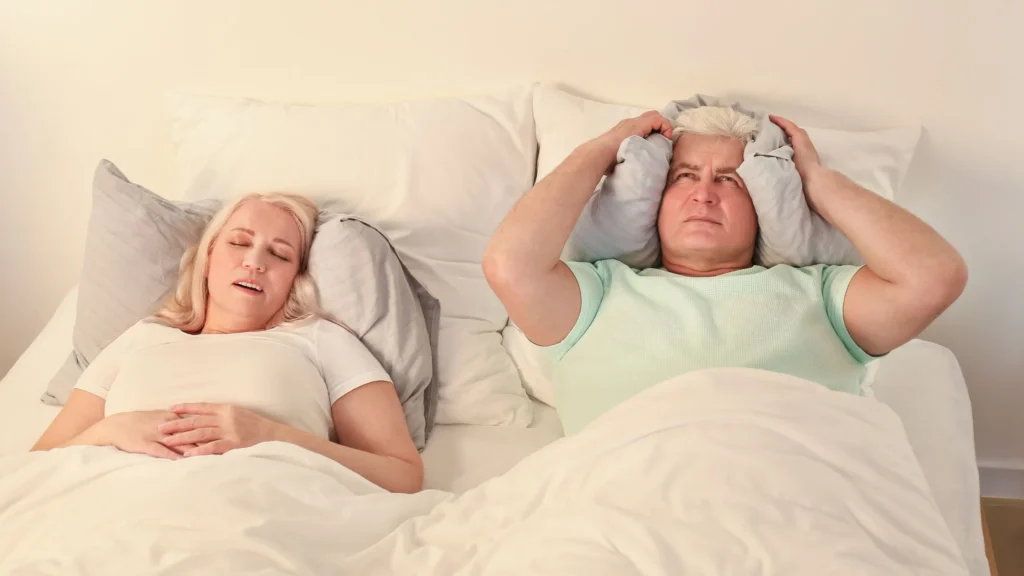
Q: Is the real problem the noise—or the tension it creates at 2 a.m.?
Yes to any of those can be enough to act. Snoring sits at the intersection of sleep quality, stress, travel fatigue, and relationship dynamics. An anti snoring mouthpiece can be one practical tool, but it works best when you use it with a simple plan and honest communication.
Overview: Why snoring is having a moment
People are talking about snoring again for a few reasons. Sleep tracking wearables make “bad nights” more visible. Workload and burnout make recovery sleep feel non-negotiable. Even jokes about separate bedrooms have become a common relationship punchline.
Snoring also overlaps with bigger health conversations. Dentists and sleep clinicians often discuss evaluation and treatment options, especially when snoring may signal something more serious. If you want a high-level, news-style overview of that dentist angle, see In HelloNation, Dental Expert Dr. Eric Runyon of Belton, MO Discusses How Dentists Treat Snoring & Sleep Apnea.
Bottom line: snoring is common, but it’s not always harmless. The goal is quieter nights and better rest for both people in the room.
Timing: When to try a mouthpiece (and when to pause)
Good times to test an anti-snoring mouthpiece
Try a mouthpiece when the pattern is steady: you snore most nights, your partner reports it consistently, or your own sleep feels light and fragmented. It can also make sense if travel has you sleeping on your back more often, or if you’ve noticed snoring after late dinners or alcohol.
Press pause and get checked if these show up
Snoring plus choking/gasping, witnessed breathing pauses, morning headaches, or heavy daytime sleepiness deserves medical attention. Those can be signs of sleep apnea. A mouthpiece may still play a role, but you’ll want guidance rather than guesswork.
Supplies: What you need before night one
- The right device type: Many anti-snore mouthpieces are mandibular advancement (jaw-forward) or tongue-stabilizing styles. Choose based on comfort and fit.
- A simple cleaning setup: A toothbrush and mild soap or a cleaner recommended by the manufacturer.
- Two notes for tracking: (1) how many nights you used it, (2) what your partner noticed.
- A quick conversation script: “I’m trying this for two weeks. Can you tell me if the volume or frequency changes?”
If you’re comparing products, start with a short list instead of doom-scrolling reviews. Here’s a category page with anti snoring mouthpiece to help you narrow it down.
Step-by-step (ICI): Identify → Customize → Integrate
1) Identify your likely snoring triggers
You don’t need a lab to notice patterns. Many people snore more with nasal congestion, back sleeping, alcohol close to bedtime, or when they’re overtired. Travel weeks often stack these triggers at once, which is why snoring can feel “random” after a flight.
Relationship note: avoid turning this into a blame game. Treat it like a shared sleep problem with shared benefits when it improves.
2) Customize the fit (comfort is the real secret)
Follow the device instructions closely. A mouthpiece that’s slightly off can cause drooling, gum irritation, or jaw soreness. Those side effects don’t mean you failed—they usually mean the fit needs adjustment or the device style isn’t right for you.
If you wake up with jaw pain that lingers, stop and reassess. Comfort matters because consistent use is what creates consistent results.
3) Integrate it into a sleep-health routine
A mouthpiece works best when the rest of your setup isn’t fighting you. Keep the room cool, protect your wind-down time, and try to avoid the “revenge bedtime procrastination” spiral that shows up during high-stress weeks.
Make it easier to stick with by pairing it with something automatic: brush teeth, rinse device, insert, lights out. Less negotiation with yourself means fewer missed nights.
Mistakes that waste money (and patience)
Buying while panicked
When snoring peaks, people impulse-buy whatever is trending on social media. Give yourself 10 minutes to choose a device type and confirm return policies. A calmer purchase is usually a better one.
Ignoring your partner’s feedback
Snoring is one of the few health issues that someone else hears more than you do. Ask for simple data: “Was it quieter?” not “Did I ruin your life?” Keep it factual to keep it kind.
Assuming louder snoring is just “normal”
Snoring can be benign, but it can also be a flag. If symptoms suggest sleep apnea, don’t rely on a gadget alone. Get evaluated.
Expecting perfection on night one
Many people need a short adjustment period. Aim for improvement, not instant silence. A realistic goal is fewer wake-ups and less relationship friction.
FAQ
Can an anti snoring mouthpiece help right away?
Some people notice changes quickly, but comfort and consistent wear often take a week or two to settle in.
What’s the difference between snoring and sleep apnea?
Snoring is sound from turbulent airflow. Sleep apnea involves repeated breathing interruptions and can affect health. If you suspect apnea, seek medical evaluation.
Is a mouthpiece the same as a night guard?
Usually not. Anti-snoring devices often reposition the jaw or tongue to support airflow. Standard night guards focus on protecting teeth from grinding.
Who should avoid over-the-counter anti-snoring mouthpieces?
If you have jaw disorders, loose teeth, gum disease, or possible sleep apnea symptoms, talk with a dentist or clinician first.
Why do I snore more when I’m stressed or traveling?
Stress and travel can disrupt sleep timing, increase back-sleeping, and worsen congestion. Those factors commonly increase snoring.
CTA: Make the next two weeks easier
You don’t need to “win” sleep with a dozen gadgets. Pick one sensible tool, track it briefly, and talk about it like teammates. Quieter nights can lower tension fast, even before you feel fully caught up.
How do anti-snoring mouthpieces work?
Medical disclaimer: This article is for general information only and is not medical advice. Snoring can be a sign of a sleep-related breathing disorder. If you have choking/gasping, witnessed pauses in breathing, chest pain, severe daytime sleepiness, or persistent symptoms, seek evaluation from a qualified healthcare professional.