
Snoring is funny until it isn’t. It turns bedtime into a negotiation, and mornings into a blame game.
Meanwhile, everyone is buying sleep gadgets, chasing “quick hacks,” and trying to recover from travel fatigue and workplace burnout.
Thesis: Better sleep starts with basics, but an anti snoring mouthpiece can be the practical bridge between “we tried everything” and real, quieter nights.
Overview: why snoring feels bigger right now
Snoring sits at the intersection of health, stress, and relationships. One person can’t sleep, the other feels judged, and both wake up drained.
That’s why sleep content spikes around “fresh starts.” You’ll see talk about sleep drive, circadian rhythm, sleep hygiene, and racing thoughts. You’ll also see debates over trendy fixes like mouth taping and new sleep tech.
Keep the frame simple: snoring is a symptom. Sometimes it’s just vibration from relaxed tissues. Sometimes it can point to a bigger breathing issue.
Timing: when to act (and when to escalate)
Don’t wait for a breaking point. If snoring is happening most nights, or it’s forcing someone to the couch, it’s time to change something.
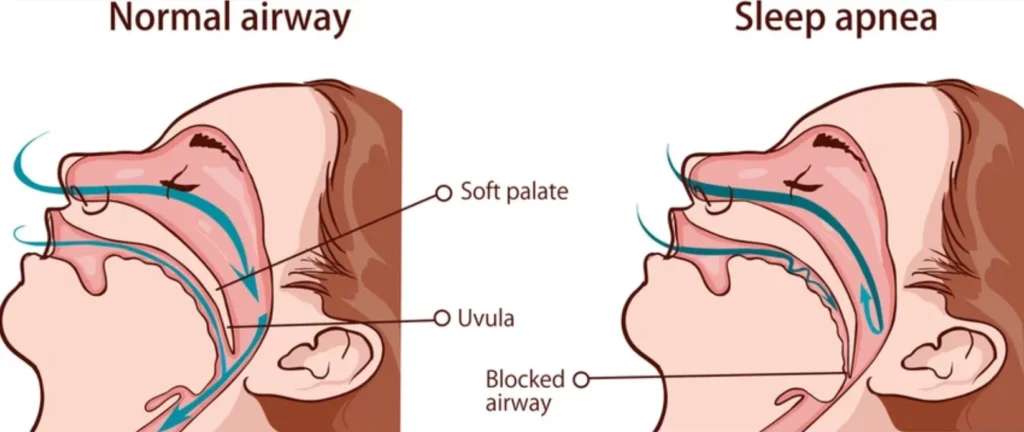
Move faster if you notice red flags that can be associated with sleep apnea: loud chronic snoring, witnessed pauses in breathing, gasping, morning headaches, or heavy daytime sleepiness. Those deserve a medical conversation, not another gadget order.
For a general, reputable starting point on sleep-related breathing issues, review Here are five behavioral and psychological tips for a fresh start toward better sleep in the new year, spanning five categories — sleep drive, circadian rhythm, sleep hygiene, overthinking and pre-bed activity. https://wapo.st/3MQgP1D and use it to anchor your reset.
Supplies: what you actually need (skip the junk drawer)
You don’t need ten devices. Start with a small kit you’ll stick with.
Sleep basics
- A consistent wake time (even on weekends, within reason)
- Cool, dark room setup (fan, blackout curtain, or eye mask)
- A short wind-down plan (5–10 minutes) to reduce pre-bed overthinking
Snoring-specific tools
- Side-sleep support (body pillow or positional aid)
- Optional nasal support if congestion is common (discuss persistent issues with a clinician)
- An anti snoring mouthpiece if jaw/tongue position seems to be part of the problem
If you want a single, straightforward option to consider, look at this anti snoring mouthpiece. The goal is simple: keep the airway more open by supporting mouth/jaw position during sleep.
Step-by-step (ICI): Identify → Choose → Integrate
1) Identify what’s driving the snore (quick, not perfect)
Use a 3-night check-in. Ask two questions: “When is it worst?” and “What changed?”
- Worse after alcohol or heavy late meals: tissues relax more, sleep fragments more.
- Worse on back: gravity pulls the jaw/tongue back.
- Worse with congestion: nasal breathing struggles, mouth breathing increases.
- Worse during burnout weeks: stress routines creep later, and sleep debt rises.
This isn’t a diagnosis. It’s a targeting tool so you stop guessing.
2) Choose the smallest change that can move the needle
If snoring is positional, start with side-sleep support. If the pattern suggests jaw/tongue position, a mouthpiece is a reasonable next step.
If you’re tempted by viral trends like mouth taping, slow down. The internet loves a bold “one weird trick.” Your airway doesn’t. If you have nasal blockage, anxiety about breathing, or possible apnea symptoms, ask a clinician before experimenting.
3) Integrate the mouthpiece into a real routine
Most people fail here, not because the product is “bad,” but because the rollout is chaotic.
- Night 1–2: Wear it for short periods before sleep to get used to the feel.
- Week 1: Pair it with a consistent wind-down (same order, same cues).
- Week 2: Track outcomes that matter: fewer wake-ups, less partner nudging, better morning energy.
Keep the conversation calm. Replace “You kept me up” with “Let’s run a two-week experiment.” That language reduces defensiveness fast.
Mistakes that waste money (and patience)
Buying a “sleep stack” instead of solving the bottleneck
Smart rings, white noise machines, and apps can be useful. They can also become distractions. If snoring is the main disruptor, address the snore first.
Chasing instant results
Sleep is not a light switch. Even a solid 5-minute wind-down trick won’t fix a month of late nights and travel fatigue overnight. Give changes enough time to show a trend.
Ignoring medical red flags
If there are signs of sleep apnea, don’t self-manage indefinitely. A mouthpiece can reduce snoring for some people, but it is not a substitute for evaluation and appropriate treatment when apnea is present.
Turning it into a relationship scorecard
Snoring can feel personal. It usually isn’t. Treat it like any shared household problem: pick a plan, test it, adjust it.
FAQ: quick answers people want at 1 a.m.
What’s the fastest non-gadget move for better sleep quality?
Lock in a steady wake time and cut down late-night stimulation. It helps sleep drive and reduces “tired but wired” nights.
How do I know if a mouthpiece is worth trying?
If snoring is frequent and worse on your back, or you suspect jaw/tongue position plays a role, it’s a practical option to test for a couple of weeks.
Can my partner do anything besides complain?
Yes: agree on a plan, track progress, and keep the bedroom setup supportive (cooler room, consistent bedtime cues). Team sport beats nightly arguments.
CTA: make the next two weeks simpler
You don’t need perfect sleep hygiene to start. You need a plan you’ll repeat.
How do anti-snoring mouthpieces work?
Medical disclaimer: This article is for general education only and is not medical advice. Snoring can be a sign of obstructive sleep apnea or other health conditions. If you have choking/gasping, witnessed breathing pauses, significant daytime sleepiness, or other concerning symptoms, seek evaluation from a qualified clinician.