
Is snoring “just annoying,” or is it stealing your sleep quality?
Are sleep gadgets actually helping, or just giving you more things to charge?
Can an anti snoring mouthpiece calm the noise without turning bedtime into a fight?
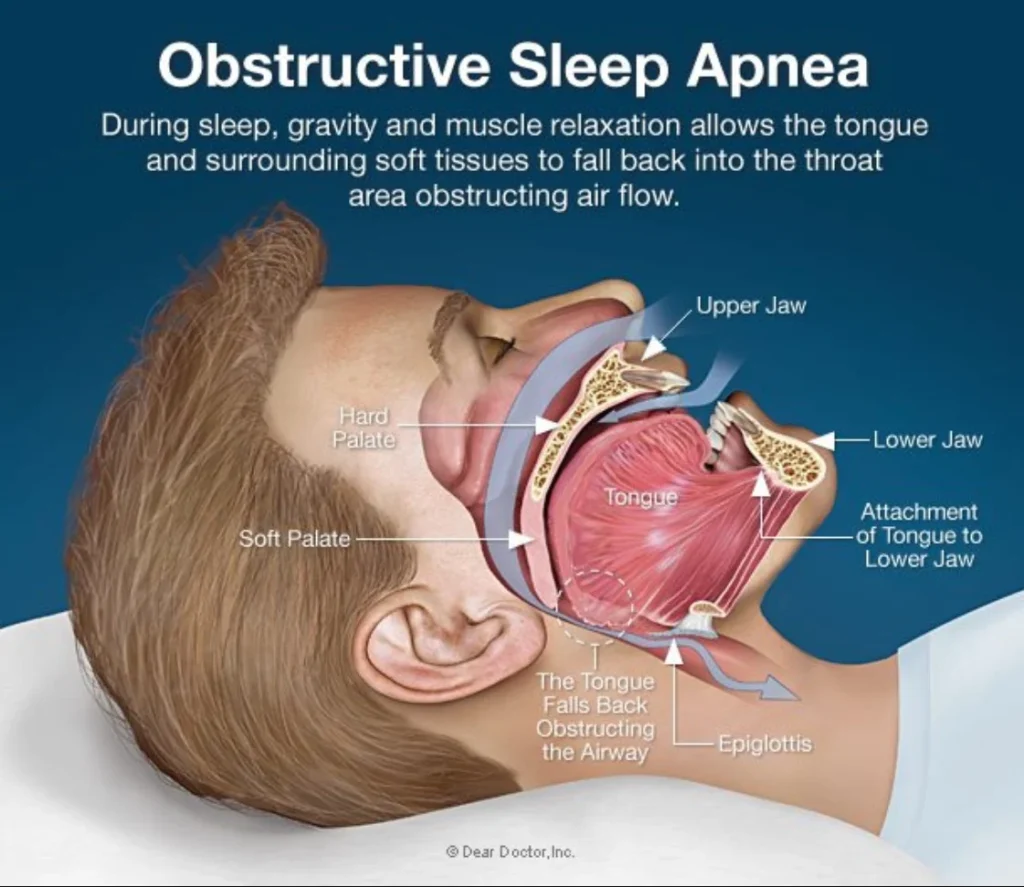
Yes, snoring can be more than a punchline. It can chip away at deep sleep, strain patience, and turn the bedroom into a negotiation. And yes, mouthpieces can be a practical option for the right person, especially when you pair them with a simple routine and better communication.
Sleep is having a moment culturally. People are swapping doom-scrolling for wind-down routines, buying wearables, and talking openly about burnout. You’ll also hear more about travel fatigue and “sleep debt” after late flights, conference weeks, and long commutes. Snoring sits right in the middle of all that.
Overview: Why snoring feels bigger right now
Snoring isn’t only about sound. It’s about what the sound represents: fragmented rest, resentment, and that low-grade stress that shows up at 2 a.m. when someone nudges you to roll over.
Recent sleep hygiene conversations (especially in campus and workplace wellness circles) keep circling the same basics: consistent schedules, a calmer pre-bed routine, and fewer late-night stimulants. Those steps won’t “cure” every snore, but they can make your sleep more stable. Stable sleep can make it easier to judge whether a device is truly helping.
If you want a quick reference point for routine ideas, see this Snooze smarter with these Campus Health sleep hygiene tips roundup and adapt what fits your real life.
The relationship piece nobody wants to lead with
Snoring can trigger a weird kind of pressure. The snorer may feel blamed for something they can’t fully control. The partner may feel dismissed because they’re the one losing sleep.
A better frame is “we’re solving a shared sleep problem.” That shift lowers the temperature fast. It also makes it easier to test changes without turning each night into a performance review.
Timing: When to test changes (and when to stop guessing)
Pick a two-week window where sleep is at least somewhat predictable. If you’re in peak travel mode, pulling late work nights, or juggling exams, you’ll get noisy data. Travel fatigue can amplify snoring and make any gadget feel inconsistent.
Also watch for red flags that shouldn’t wait on a DIY experiment. If there are breathing pauses, choking/gasping, or heavy daytime sleepiness, it’s worth asking a clinician about possible obstructive sleep apnea (OSA). Personal stories about OSA often highlight how much it can affect mood, focus, and daily functioning.
Quick self-check before you buy anything
- Who is losing sleep? One of you, or both?
- When is snoring worst? After alcohol, on your back, during allergies, or when overtired?
- What’s the goal? Less noise, fewer wake-ups, or both?
Supplies: What you need for an honest snoring test
- A simple notes app log (bedtime, wake-ups, how you feel in the morning).
- A basic phone recording for 1–2 nights (optional, but helpful for pattern spotting).
- Your routine anchors: consistent wake time, dim lights, and a short wind-down.
- One device at a time so you know what changed.
If you’re considering a mouthpiece, look for a product that fits your comfort needs and your snoring style. Some people also like combining approaches, such as mouth support plus jaw positioning. If that’s your lane, you can review an anti snoring mouthpiece option and compare it to what you’ve already tried.
Step-by-step (ICI): Identify → Choose → Implement
1) Identify what’s driving your “loud nights”
Start with patterns you can actually observe. Many people snore more when they’re congested, sleeping on their back, or running on empty. Workplace burnout can also nudge people toward late caffeine, late alcohol, and irregular sleep, which can all worsen nights.
You may also see headlines linking snoring with various health factors (including nutrient status). Treat those as prompts for a broader health conversation, not a self-diagnosis. If you suspect a deficiency or a medical issue, a clinician can guide testing and safe next steps.
2) Choose one lever to pull first
Pick the simplest change that matches your pattern:
- Routine lever: same wake time, earlier wind-down, less late alcohol.
- Position lever: side-sleeping support if back-sleeping is the trigger.
- Device lever: an anti snoring mouthpiece if you suspect jaw/tongue position contributes.
3) Implement for 14 nights and measure the right things
Don’t track “snoring: yes/no.” Track what matters:
- Partner wake-ups: fewer nudges, fewer room changes.
- Your morning: dry mouth, jaw comfort, headache, energy.
- Workday impact: focus, irritability, afternoon crash.
Keep expectations realistic. A mouthpiece isn’t a moral victory or failure. It’s a tool. If it helps, great. If it doesn’t, you learned something quickly.
Mistakes that waste money (and patience)
Trying three fixes at once
New pillow, new mouthpiece, new app, new supplements—then you can’t tell what worked. Change one variable at a time.
Letting the “snore talk” happen only at bedtime
That’s when everyone is tired and defensive. Have a five-minute check-in during the day instead. Keep it practical: what improved, what didn’t, what to test next.
Ignoring comfort signals
If a device causes pain, significant jaw soreness, or you can’t tolerate it, don’t force it. Comfort determines consistency, and consistency determines results.
Missing the bigger health flags
Snoring plus breathing pauses, gasping, or heavy daytime sleepiness deserves medical attention. Devices can reduce noise, but they aren’t a substitute for evaluating sleep apnea when symptoms fit.
FAQ: Fast answers people ask at 1 a.m.
Do anti-snoring mouthpieces work if I’m a mouth-breather?
They can, but mouth-breathing may also relate to congestion or habit. Some people explore mouth support options alongside a mouthpiece for that reason.
What if my partner says it’s better, but I feel the same?
That’s still useful data. You may be sleeping longer but not deeper, or another issue may be waking you. Keep tracking mornings and consider a clinician conversation if fatigue persists.
Is it normal to feel awkward bringing this up?
Yes. Snoring is personal. A calm, daytime “team plan” reduces shame and keeps the focus on shared sleep.
CTA: Make the next two weeks easier
Pick one change, run it for 14 nights, and measure wake-ups and mornings. If an anti snoring mouthpiece is the lever you want to test, keep the goal simple: quieter nights and fewer interruptions, not perfection.
How do anti-snoring mouthpieces work?
Medical disclaimer: This article is for general education and does not provide medical advice. Snoring can have many causes. If you have choking/gasping, breathing pauses, significant daytime sleepiness, chest pain, or other concerning symptoms, seek evaluation from a qualified clinician.