
On a red-eye back from a work trip, someone in 18C finally falls asleep. Two minutes later, the cabin hears it. The partner at home jokes about “sleep divorce,” coworkers mention burnout, and your social feed pushes yet another sleep gadget.
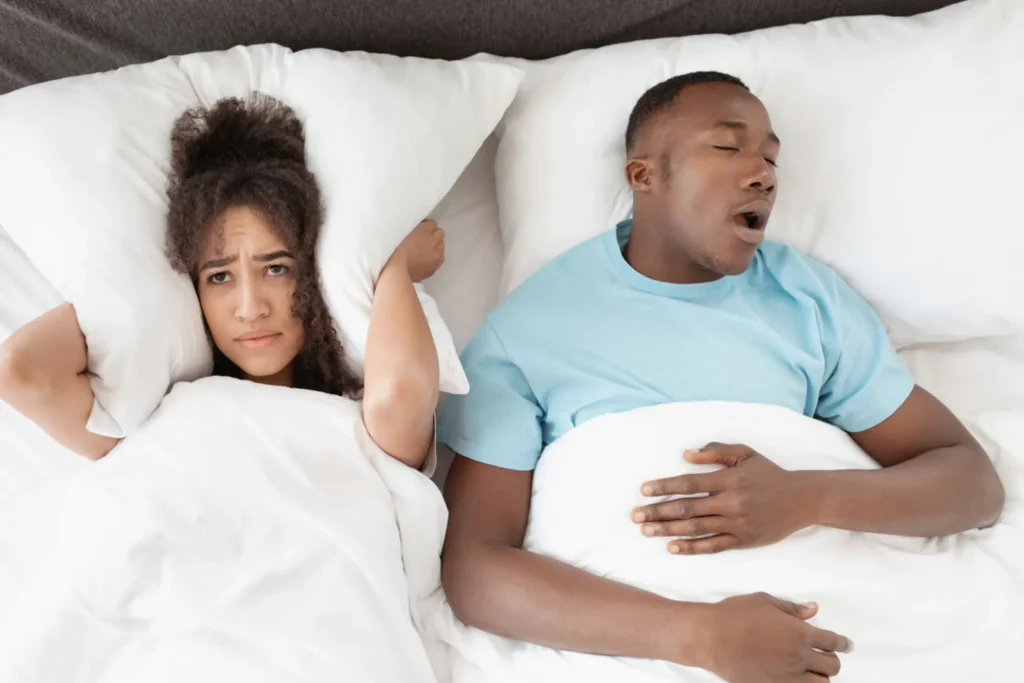
Snoring is having a moment because sleep is having a moment. People want better sleep quality without turning their bedroom into a lab. If your snoring is the problem, an anti snoring mouthpiece can be a practical next step—if you pick it for the right reason.
A quick reality check: snoring isn’t the whole story
Snoring can be “just snoring,” but it can also overlap with sleep-disordered breathing. Recent health coverage has emphasized a key point: you can have sleep apnea even if you don’t snore, and snoring alone doesn’t confirm apnea either.
If you want a general checklist to compare symptoms, skim Europe Anti-snoring Device Market Size and Forecast 2025–2033. Use it as context, not a diagnosis.
The decision map: If…then… pick your next move
Use these branches like a shortcut. The goal is fewer experiments and faster clarity.
If your snoring is mostly positional, then start with a mouthpiece-style solution
If your partner says you snore louder on your back, or you wake with a dry mouth and feel like your jaw “falls open,” then a mouthpiece approach may be worth trying. These devices often aim to keep the lower jaw or tongue from collapsing backward, which can reduce vibration and noise.
If your nose is the bottleneck, then fix airflow first (or alongside)
If snoring ramps up with allergies, colds, or travel-dry hotel air, then a nose-first plan may help. That could mean addressing congestion triggers and sleep environment basics. Mouthpieces can still help some people, but nasal blockage can overpower everything.
If alcohol or late-night meals predict snoring, then adjust timing before you buy more gear
If snoring spikes after drinks, heavy dinners, or very late nights, then focus on timing. Many people are experimenting with “sleep hygiene” trends for a reason: small schedule changes sometimes beat expensive gadgets.
If you’re exhausted despite ‘enough’ hours, then don’t assume it’s just snoring
If you get 7–9 hours but wake unrefreshed, fight daytime sleepiness, or someone has noticed breathing pauses, then treat that as a bigger flag than snoring volume. A mouthpiece may still be part of the plan, but it shouldn’t be the only plan.
If your main problem is relationship friction, then choose the fastest, simplest trial
If the issue is bedroom peace—nudges at 2 a.m., separate blankets, jokes about “noise-canceling marriage”—then pick one change you can evaluate quickly. Track outcomes for a week: snoring loudness, partner sleep, and your morning energy.
What people are buying right now (and why)
Coverage of “best anti-snore devices” and growing market forecasts has made anti-snoring products feel mainstream. The underlying driver is simple: more people are treating sleep like a health metric, not a luxury.
Here’s the practical translation: choose products that match the mechanism you suspect. A mouthpiece targets jaw/tongue position. A chin strap can help if mouth opening is part of the pattern. Nasal tools target airflow. Mixing random gadgets usually wastes money.
A straightforward option to consider
If your decision map points toward jaw position and mouth breathing, look at an anti snoring mouthpiece. A combo approach can be useful for people who do fine at the start of the night but lose alignment as they relax deeper into sleep.
FAQ (quick answers)
Do anti-snoring mouthpieces work for everyone?
No. They’re a better fit for certain snoring patterns, especially when jaw or tongue position is involved.
Is loud snoring always a health problem?
Not always. Still, loud snoring plus choking/gasping, morning headaches, or severe sleepiness deserves medical attention.
Can you have sleep apnea without snoring?
Yes. Snoring can be absent or minimal in some cases, so symptoms and witnessed breathing changes matter.
What’s the difference between a mouthpiece and nasal strips?
Nasal strips focus on nasal airflow. Mouthpieces focus on keeping the airway more open by influencing jaw or tongue position.
How long does it take to know if a mouthpiece helps?
Often within days, sometimes a couple of weeks. Use simple tracking: partner feedback, recordings, and morning energy.
CTA: one click to get the basics clear
How do anti-snoring mouthpieces work?
Medical disclaimer: This article is for general education and does not provide medical advice. Snoring and poor sleep can have multiple causes. If you have choking/gasping during sleep, witnessed breathing pauses, chest pain, severe daytime sleepiness, or concerns about heart risk, talk with a qualified clinician promptly.