
Snoring is not just “background noise.” It can turn a full night in bed into a low-quality nap.
And lately, it’s everywhere: sleep gadgets, quick hacks, and new-year “reset” routines—plus the classic relationship joke about who gets nudged at 2 a.m.
If you want a practical, budget-aware path, start by separating simple snoring from possible sleep apnea—then decide if an anti snoring mouthpiece is a smart next step.
The big picture: why snoring feels louder right now
People are talking about sleep like it’s a performance metric. Wearables score it. Apps coach it. Workplaces discuss burnout like a weather report.
Add travel fatigue, late-night scrolling, and irregular schedules, and you get a perfect setup for snoring to spike. Even one week of poor sleep habits can make your throat muscles lazier at night and your sleep lighter, which makes snoring more noticeable.
Snoring vs. sleep apnea: the misconception trap
One misconception: “If I snore, I must have sleep apnea.” Another: “If I’m not sleepy, it can’t be serious.” Real life is messier.
Snoring can be harmless, or it can be a sign of obstructive sleep apnea (OSA). OSA is typically associated with repeated breathing interruptions during sleep, and it’s discussed widely in mainstream health coverage. If you want a quick overview of the public conversation, see What Misconceptions About Obstructive Sleep Apnea Would You Like to Bust?.
The emotional side: sleep is social (and snoring proves it)
Snoring rarely stays private. It affects the person next to you, the guest room situation, and the mood the next day.
That’s why “funny” snoring stories often hide real frustration. Couples start negotiating bedtime like it’s a contract. Travelers dread sharing hotel rooms. People with heavy workloads feel trapped: they’re exhausted, but their sleep still isn’t restorative.
So the goal isn’t perfection. It’s fewer wake-ups, less resentment, and a plan you can stick with.
Practical steps: a no-waste decision path (do this at home first)
Skip the endless scrolling. Run a simple, low-cost sequence for 7–14 nights and track what changes.
Step 1: Identify your pattern in 2 minutes
- When is snoring worst? After alcohol, after late meals, during allergy season, or on your back?
- Who notices it? Partner complaints, your own dry mouth, or waking up unrefreshed.
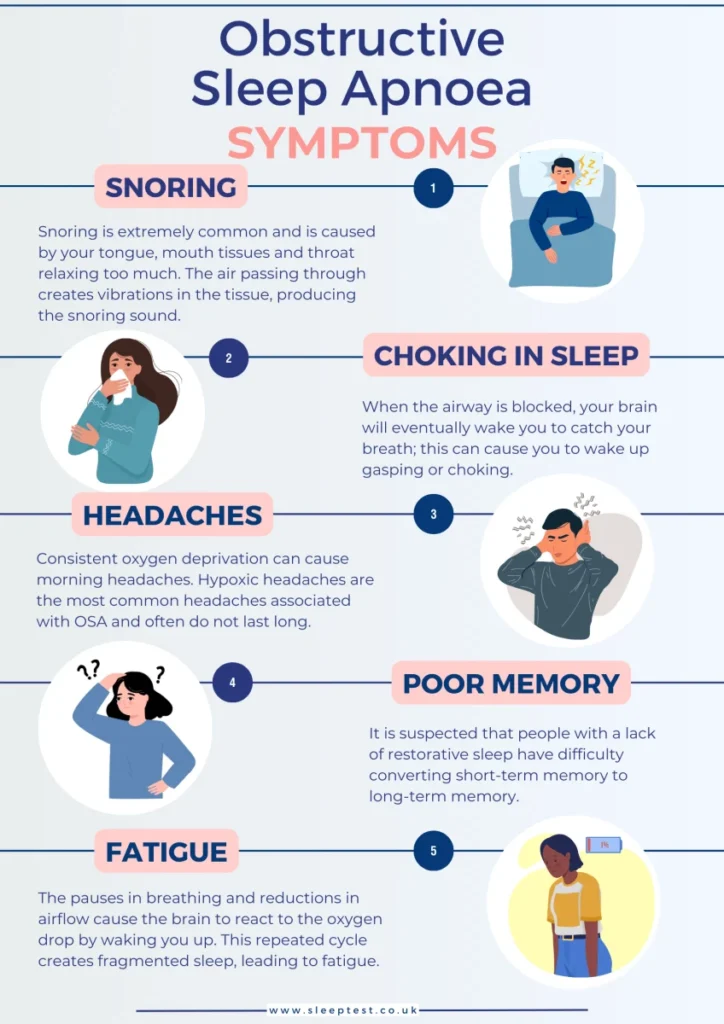
- Any red flags? Gasping, choking, witnessed pauses, morning headaches, or strong daytime sleepiness.
Step 2: Clean up the “easy wins” (the trend-proof basics)
Recent sleep coverage keeps circling the same themes: sleep drive, circadian rhythm, sleep hygiene, and calming the brain before bed. You don’t need a new gadget to test these.
- Keep a consistent wake time for a week. It stabilizes your body clock.
- Reduce back-sleeping if that’s your trigger. A simple positional change can matter.
- Cut the late-night mental spin with a short wind-down routine (paper list, light stretch, or a brief breathing exercise).
- Address nasal congestion if it’s obvious. Breathing through your nose often makes nights quieter.
These steps help sleep quality even if they don’t fully solve snoring.
Step 3: Where an anti snoring mouthpiece fits
If your snoring seems position-related and you want a home option that’s more direct than “try to relax,” an anti snoring mouthpiece is a common next move.
Many mouthpieces aim to support the jaw and help keep the airway more open during sleep. The key is comfort and consistency. A device that sits in a drawer does nothing.
If you’re comparing options, start here: anti snoring mouthpiece.
Safety and testing: don’t mask a bigger problem
Be direct with yourself: if you suspect sleep apnea, don’t treat snoring like a cosmetic issue. Get evaluated.
Signs you should stop DIY and get checked
- Breathing pauses witnessed by a partner
- Choking or gasping at night
- High daytime sleepiness or dozing off unintentionally
- High blood pressure concerns or significant morning headaches
- Snoring plus new or worsening mood, focus, or memory issues
How to test changes without overthinking it
- Pick one change at a time (positional sleep, mouthpiece, or alcohol timing). Don’t stack five variables.
- Use a simple score: “How many times did we wake up?” and “How rested do I feel?”
- Give it 7 nights unless pain or red flags show up sooner.
Medical disclaimer: This article is for general education and does not replace medical advice. Snoring can have multiple causes, and obstructive sleep apnea requires professional assessment and treatment. If you have concerning symptoms, seek care from a qualified clinician.
Next step: make the decision easy
If you want a straightforward explanation before you buy anything, start here.