
Myth: Snoring is just annoying background noise.
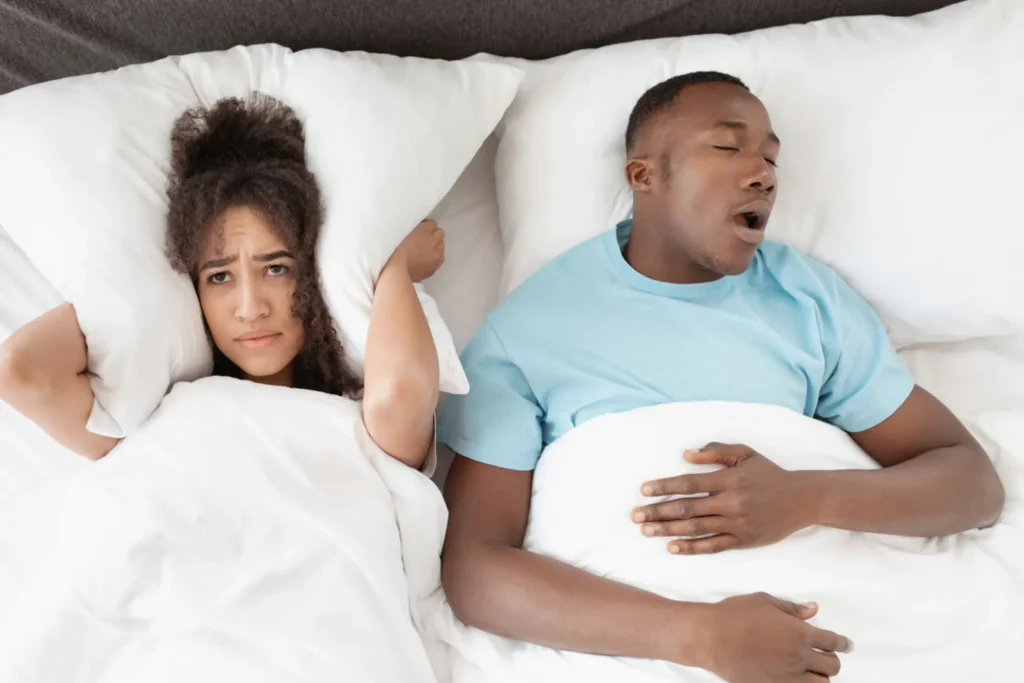
Reality: Snoring can be a sleep-quality wrecking ball. It can also be a clue that breathing is getting restricted at night. That’s why “just buy a gadget” isn’t a plan. It’s a budget leak.
This guide keeps it practical: big picture first, then relationship reality, then steps you can test at home. We’ll also cover when to stop DIY and get checked.
The big picture: why snoring is getting so much attention
Sleep is having a cultural moment. There are sleep trackers, smart rings, sunrise lamps, and new “hacks” making the rounds. Add travel fatigue, late-night scrolling, and workplace burnout, and it’s no surprise people are hunting for quick fixes.
But snoring isn’t only a comfort issue. Health outlets keep reminding readers that sleep-disordered breathing can connect to broader health risks, including cardiovascular concerns. If you want a starting point for that bigger conversation, see Rating Scales for Obstructive Sleep Apnea Syndrome: The Importance of a Comprehensive Assessment.
Meanwhile, clinicians and researchers also emphasize something less flashy: good assessment matters. Snoring can look simple while the underlying pattern is not. That’s why “rate the problem” (severity, symptoms, sleepiness, bed partner impact) keeps coming up in medical discussions.
The emotional side: sleep is personal (and snoring is social)
Snoring creates weird bedtime politics. One person feels blamed. The other feels trapped between love and the couch. You can laugh about it—until nobody sleeps.
Then the next day hits. You’re foggy on meetings, short with family, and suddenly you’re buying another trendy sleep gadget at 1 a.m. because an algorithm promised “quiet nights.”
A better approach is calmer: pick one change, test it, keep what works, and move on. That’s where an anti snoring mouthpiece often fits. It’s a direct intervention that can be cheaper than stacking subscriptions and devices.
The practical plan: a home-first checklist that doesn’t waste a cycle
Step 1: Do a quick “snore snapshot” for 7 nights
Before you change anything, get a baseline. Use a simple phone recording app or a snore tracker, and write down two notes each morning: how rested you feel and whether anyone noticed pauses, choking, or gasping.
This isn’t a diagnosis. It’s just a reality check so you can tell if a change actually helped.
Step 2: Clean up the easy snore triggers (no perfection required)
Skip the complicated routines. Focus on what tends to move the needle for many people:
- Sleep position: Back sleeping often makes snoring worse. Side sleeping can help.
- Alcohol timing: Alcohol close to bedtime can relax airway muscles and increase snoring.
- Nasal airflow: If you’re congested, address dryness and allergens. Keep it simple.
You may have seen social posts pushing mouth taping as the fix. Trendy doesn’t mean right for you. If snoring is coming from airway collapse, taping alone may not touch the real problem.
Step 3: Consider an anti snoring mouthpiece (what it’s trying to do)
Many snoring mouthpieces aim to keep the airway more open by adjusting jaw or tongue position during sleep. The goal is fewer vibrations and less airflow restriction.
If your snoring is worse on your back, worse after alcohol, or paired with a “jaw drops open” pattern, a mouthpiece may be worth testing. It’s also a reasonable next step if you want something more direct than another app.
If you’re comparing options, an anti snoring mouthpiece is one way people try to cover two common issues at once: jaw position and mouth opening.
Step 4: Run a 14-night trial like a mini experiment
Don’t judge it on Night 1. Give your mouth and sleep routine time to adapt.
- Nights 1–3: Expect an adjustment period. Track comfort and wear time.
- Nights 4–10: Compare recordings to baseline. Look for fewer loud spikes and fewer wake-ups.
- Nights 11–14: Decide based on results, not hope. If it’s not improving, stop spending energy on it.
Keep the rest of your routine steady during the trial. Otherwise, you won’t know what caused the change.
Safety and testing: when DIY is fine and when it’s not
Watch for red flags that need medical screening
Snoring can be harmless. It can also be part of obstructive sleep apnea. Consider talking to a clinician if you notice:
- Witnessed pauses in breathing
- Choking or gasping during sleep
- Significant daytime sleepiness, morning headaches, or high blood pressure concerns
- Snoring that’s escalating quickly or showing up with new symptoms
Medical conversations increasingly emphasize comprehensive evaluation rather than guessing from one symptom. If something feels “off,” trust that and get assessed.
Know the common mouthpiece deal-breakers
Stop and get guidance if you develop persistent jaw pain, tooth pain, or bite changes. Also be cautious if you have significant dental issues or TMJ problems.
Medical disclaimer: This article is for general education only and is not medical advice. It does not diagnose or treat any condition. If you suspect sleep apnea or have concerning symptoms, seek evaluation from a qualified healthcare professional.
FAQ: quick answers people want before buying anything
Is a mouthpiece the same as a CPAP?
No. CPAP is a medical therapy commonly used for diagnosed sleep apnea. A mouthpiece is a consumer or dental device approach that may help certain types of snoring and some cases of sleep-disordered breathing under professional guidance.
Will a mouthpiece fix travel snoring?
Sometimes. Travel can add congestion, alcohol, and sleep debt. A mouthpiece may help if jaw position is part of your snoring pattern, but it won’t replace good sleep timing and hydration.
What if my partner says I still snore?
Use recordings to confirm. Then adjust one variable at a time: side sleeping, alcohol timing, nasal support, or a different mouthpiece style. If pauses or gasping show up, prioritize screening.
CTA: keep it simple—one next step
If you want a direct, budget-aware step that you can test at home, start by learning the basics and deciding whether a mouthpiece fits your situation.