
Myth: Snoring is just a noisy habit.
Reality: Snoring often signals that airflow is getting squeezed at night. That squeeze can wreck sleep quality for you and anyone within earshot.
And right now, snoring is having a moment. Sleep trackers, “smart” pillows, and viral bedtime hacks keep trending. So do conversations about burnout, mental sharpness, and why you feel cooked after a full night in bed. The useful move is simpler: understand what’s happening, then test one change at a time.
The big picture: why snoring steals sleep quality
Snoring is vibration. Soft tissue in the upper airway flutters when airflow narrows. The sound is annoying, but the bigger issue is what it can do to sleep continuity.
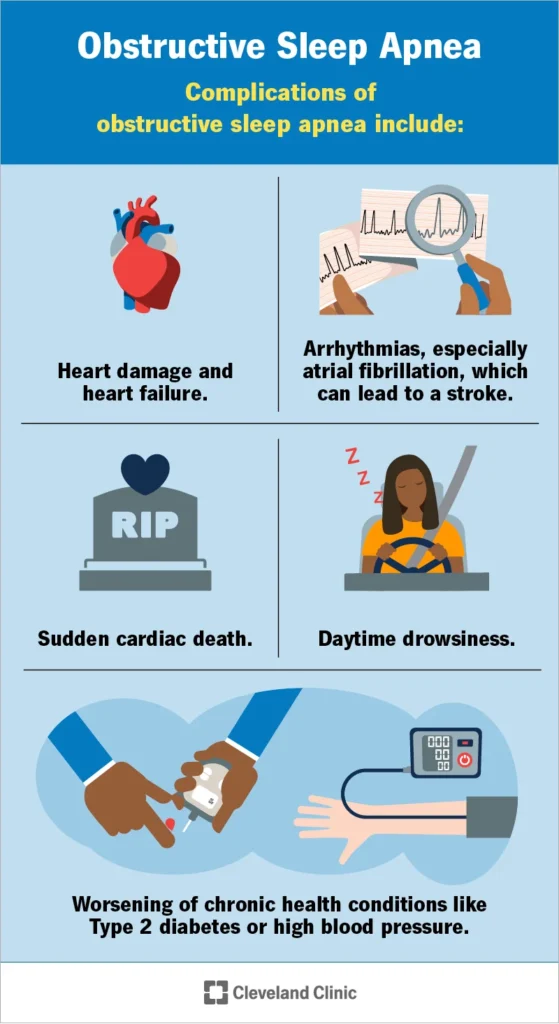
Even without a diagnosis, fragmented sleep can leave you groggy, short-tempered, and stuck in a caffeine loop. Recent health coverage has also kept attention on obstructive sleep apnea and how breathing disruptions may relate to daytime performance and cognitive health. If you want a deeper overview of that conversation, see Obstructive Sleep Apnea, Cognitive Health, and Mental Performance.
Common snoring drivers people keep overlooking
- Back sleeping: Gravity pulls the tongue and soft palate backward.
- Nasal congestion: You default to mouth breathing, which can worsen vibration.
- Alcohol or sedatives: Throat muscles relax more than usual.
- Weight changes: Extra tissue can narrow the airway in some people.
- Travel fatigue: Weird schedules, dry hotel air, and “just one drink” add up.
The emotional side: partners, jokes, and the real cost
Snoring gets played for laughs. The “I’ll sleep on the couch” routine is a classic. But the punchline wears thin when both people are exhausted.
Bad sleep also shows up at work. You’re slower, less patient, and more likely to chase quick fixes. That’s how people end up with a nightstand full of gadgets and zero plan.
Practical steps: a no-gadget spiral approach
If you want results, run a simple experiment. Keep it boring. Keep it trackable.
Step 1: Do a quick 3-night baseline
- Ask your partner (or use a basic audio recording) to note snoring intensity.
- Write down wake-ups, morning headaches, and how alert you feel by mid-morning.
- Note alcohol, congestion, and sleep position.
Step 2: Fix the low-hanging airflow blockers
- Side-sleeping: Use a pillow setup that keeps you from rolling flat on your back.
- Nasal support: If you’re stuffy, prioritize gentle congestion relief and hydration.
- Timing: Avoid heavy meals and alcohol close to bedtime when possible.
Step 3: Where an anti snoring mouthpiece fits
An anti snoring mouthpiece is a tool, not a miracle. Many designs aim to improve airflow by gently repositioning the lower jaw (mandibular advancement) or stabilizing the tongue. Less collapse risk can mean less vibration and fewer micro-wakeups.
What’s “hot” in sleep headlines right now is innovation—new devices and clinical trials aimed at reducing sleep disruption. That doesn’t mean every device works for every person. It means people are finally treating snoring like a sleep health problem, not just a noise problem.
If you’re comparing products, start here: anti snoring mouthpiece.
ICI basics: the three things that decide comfort
- Incremental adjustment: Small jaw-position changes beat aggressive “crank it forward” setups.
- Comfort points: Watch for pressure on gums, front teeth, and jaw joints.
- Interface fit: A secure fit reduces slipping, drooling, and “spit it out at 2 a.m.” nights.
Positioning: use the mouthpiece with smarter sleep posture
A mouthpiece can help, but don’t sabotage it by defaulting to back sleeping every night. If you snore worst on your back, pair the device with side-sleep cues. Think of it as stacking small advantages.
Cleanup: don’t skip the boring part
Quick rinse isn’t a cleaning plan. Build a routine you can do half-asleep.
- Rinse after use and let it dry fully.
- Clean it as directed by the manufacturer to reduce odor and buildup.
- Use a case for travel so it doesn’t live loose in a toiletry bag.
Safety and testing: how to be smart about it
Snoring can be harmless, and it can also be a sign of obstructive sleep apnea. Don’t guess if the red flags are there.
Stop and get screened if you notice these red flags
- Choking, gasping, or witnessed pauses in breathing
- Excessive daytime sleepiness or dozing off easily
- Morning headaches, high blood pressure concerns, or heart risk discussions with your doctor
- Snoring that is loud, nightly, and getting worse
How to run a 7-night mouthpiece trial (simple and fair)
- Nights 1–2: Prioritize comfort. Don’t over-advance the jaw.
- Nights 3–5: Make small fit/position tweaks if snoring persists.
- Nights 6–7: Compare to baseline. Look at wake-ups and morning energy, not just volume.
If jaw pain, tooth pain, or bite changes show up, stop and reassess. Comfort is not optional.
FAQ
What is an anti snoring mouthpiece, in simple terms?
It’s a mouth-worn device designed to reduce snoring by improving airflow, often by gently positioning the lower jaw or stabilizing the tongue.
How fast can a mouthpiece reduce snoring?
Some people notice changes the first night, but a fair test usually takes several nights as you adjust fit, jaw position, and comfort.
Is snoring always a sign of sleep apnea?
No. Snoring can happen without sleep apnea. But loud, frequent snoring plus choking/gasping, pauses in breathing, or daytime sleepiness deserves medical screening.
Can mouthpieces help with sleep quality even if I travel a lot?
They can, especially if your snoring worsens with travel fatigue, alcohol, or sleeping on your back. Consistent use and proper cleaning matter when you’re on the road.
What if my jaw hurts when I use one?
Mild soreness can happen during adaptation, but sharp pain, bite changes, or persistent discomfort are signs to stop and consider a different fit or professional guidance.
Who should not use an anti-snoring mouthpiece without medical advice?
People with significant jaw/TMJ issues, loose teeth, severe gum disease, or suspected sleep apnea should talk with a clinician or dentist before using one.
CTA: pick one next step and do it tonight
If you’re done gambling on random sleep gadgets, start with a simple trial and track your results. If a mouthpiece is on your shortlist, choose one designed for snoring and focus on comfort, positioning, and consistent cleaning.
How do anti-snoring mouthpieces work?
Medical disclaimer: This article is for general education and does not provide medical advice, diagnosis, or treatment. If you suspect sleep apnea or have concerning symptoms (gasping, pauses in breathing, severe daytime sleepiness, chest pain, or high blood pressure concerns), seek evaluation from a qualified clinician.