
Myth: Snoring is just an annoying noise.
Reality: Snoring can be a clue that your sleep quality is getting crushed—and in some cases, it can overlap with bigger sleep-breathing problems people miss until something “weird” shows up.
That’s why snoring keeps popping up in health conversations right now. Between wearable sleep scores, viral “sleep hacks,” business-travel fatigue, and workplace burnout, people want a fix that’s simple, affordable, and doesn’t waste another tired week.
First, the goal: better sleep (not just a quieter room)
Most people start shopping because of relationship logistics: elbows at 2 a.m., separate bedrooms “as a joke,” or the hotel roommate who suddenly becomes your enemy. The smarter target is sleep quality—how rested you feel, how often you wake up, and how your mornings go.
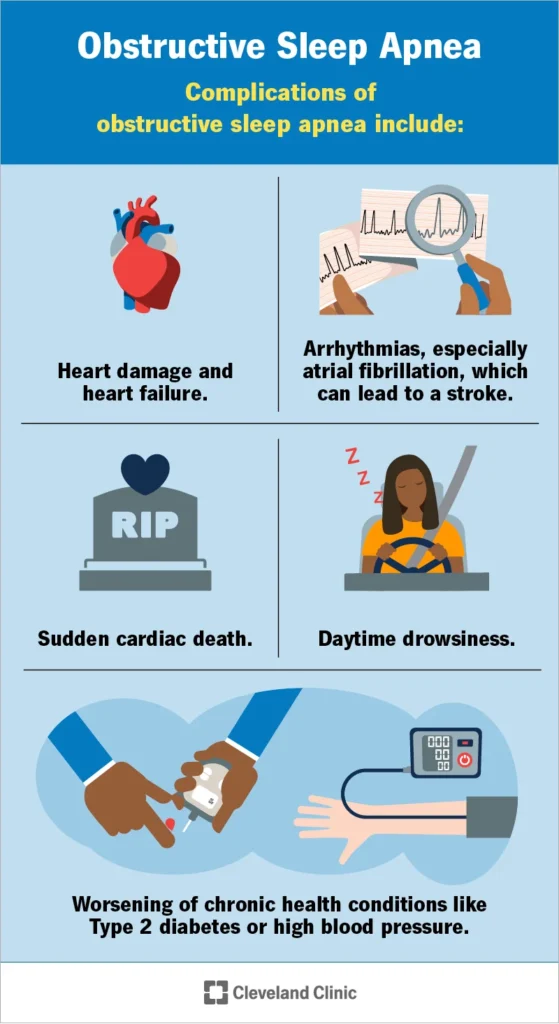
Snoring can be harmless. It can also be a sign of obstructed breathing during sleep. Some recent medical writing has emphasized that sleep apnea can show up in unexpected ways, not only as “loud snoring.” If you’re unsure, treat snoring as a signal worth sorting out.
Decision guide: if this, then that (quick and practical)
If your snoring is occasional, then start with low-cost habit tweaks
If snoring spikes after late dinners, alcohol, congestion, or travel fatigue, don’t overbuy gadgets. Try basics for a week: consistent bedtime, side-sleeping support, and managing nasal stuffiness.
Track one thing that matters: did you (or your partner) wake up less? Sleep apps can help, but don’t let a nightly “score” become another stressor.
If you snore most nights, then an anti snoring mouthpiece may be your best budget step
An anti snoring mouthpiece is often used to gently reposition the jaw forward to help keep the airway more open. For many habitual snorers, this is the simplest at-home trial that’s still grounded in how anatomy works.
Plan it like a mini experiment: give it enough nights to judge comfort, dryness, and whether you feel more restored. If it’s working, you should notice fewer wake-ups and less “hit by a truck” mornings.
If you’re comparing options, start here: anti snoring mouthpiece.
If you’re tempted by trendy hacks, then pressure-test them first
Sleep gadget culture moves fast. One week it’s a new wearable. The next it’s a tape, strap, or “biohacking” routine. You may have seen discussions about mouth taping and whether it has benefits.
Here’s the practical lens: if you can’t breathe well through your nose, taping can backfire. If you might have sleep apnea, it can also delay the right next step. Use caution and prioritize safety over internet momentum.
If you have red flags, then skip DIY and get evaluated
Snoring plus any of these deserves a real medical conversation: gasping/choking at night, witnessed pauses in breathing, high daytime sleepiness, morning headaches, or high blood pressure concerns.
Snoring is often discussed alongside heart health, and major medical sources outline how sleep apnea can affect the body beyond the bedroom. For a plain-language overview, see Beyond Snoring: Unexpected Presentation of Obstructive Sleep Apnea.
Make the mouthpiece trial actually count (so you don’t waste a cycle)
People quit mouthpieces for two reasons: bad fit or unrealistic expectations. Aim for “noticeably better nights,” not perfection by tomorrow.
- Give it a fair runway: use it consistently for at least several nights before judging.
- Watch your jaw: soreness, tooth pain, or bite changes are signals to pause and reassess.
- Measure the right outcome: fewer wake-ups, less dry mouth, better mornings, fewer complaints.
If your partner is the one reporting the snoring, ask for a simple 1–10 rating each morning. It sounds silly. It works.
FAQ: quick answers people want right now
Is snoring always a health problem?
No. But persistent snoring can overlap with sleep-disordered breathing, so patterns and symptoms matter.
Will a mouthpiece stop snoring for everyone?
No. It tends to help best when jaw position and airway narrowing are the main contributors.
What if my snoring is worse when I sleep on my back?
That’s common. Side-sleeping plus a mouthpiece can be a practical combo for some people.
Can stress and burnout make snoring worse?
Indirectly, yes—stress can disrupt sleep depth and routines, and people may drink alcohol or sleep in positions that worsen snoring.
Next step: choose a simple path tonight
If your goal is better sleep without turning your nightstand into a tech store, a mouthpiece trial is often the most direct move for habitual snoring—while still respecting the possibility of sleep apnea when red flags show up.
How do anti-snoring mouthpieces work?
Medical disclaimer: This article is for general information only and is not medical advice. Snoring can have multiple causes, and sleep apnea is a medical condition that requires professional evaluation. If you have breathing pauses, choking/gasping, severe daytime sleepiness, chest pain, or concerns about your heart health, seek care from a qualified clinician.