
Is snoring ruining your sleep quality?
Are you tempted by every new sleep gadget, but don’t want to waste another cycle?
Could an anti snoring mouthpiece actually be the simplest upgrade?
Yes, snoring can wreck sleep even when you “technically” get enough hours. It also turns bedtime into a relationship comedy sketch that stops being funny by day three. The good news: you can approach this like a decision, not a shopping spree.
This guide is built for real life: travel fatigue, workplace burnout, and a feed full of sleep trends. Pick the branch that matches your situation, try the low-cost steps first, then decide if a mouthpiece belongs in your plan.
Start here: the no-waste decision guide
If snoring is new or worse after travel, stress, or late nights… then reset the basics first
When routines get scrambled—red-eye flights, hotel pillows, late dinners, or a busy season at work—snoring can spike. Before you buy anything, give yourself a short “reset window” for habits that affect the airway.
- If alcohol is part of the pattern, then move it earlier (or skip it). Late drinking can relax throat muscles and make snoring more likely.
- If sleep is short and fragmented, then protect a wind-down routine. Popular sleep “countdown” routines (like structured cutoff times for caffeine, food, and screens) can help you stop revving at bedtime.
- If you always end up on your back, then change the position. Side sleeping is a classic, zero-cost move for many snorers.
Give these changes a few nights. If the room is still vibrating, move to the next branch.
If you wake up with a dry mouth… then look at mouth breathing and jaw position
Dry mouth often points to sleeping with your mouth open. That can increase vibration in soft tissues and make snoring louder. It’s also where a mouthpiece can make practical sense.
If your snoring is loudest when your jaw drops back, then a mouthpiece may help. Many anti-snoring mouthpieces are designed to keep the lower jaw in a position that supports airflow.
Want a quick overview of options? Compare anti snoring mouthpiece before you commit.
If congestion is the main issue… then test airflow support before you blame your jaw
Some nights, snoring is more “nose problem” than “mouth problem.” If you’re stuffed up, you may be forcing air through a narrow path.
- If your nose feels blocked, then consider simple nasal support (like strips) and bedroom humidity tweaks.
- If allergies are seasonal, then track timing. A pattern helps you choose the right fix instead of guessing.
This is also why people bounce between gadgets. They try one tool for the wrong cause, then assume nothing works.
If your partner reports pauses, choking, or gasping… then don’t DIY the scary stuff
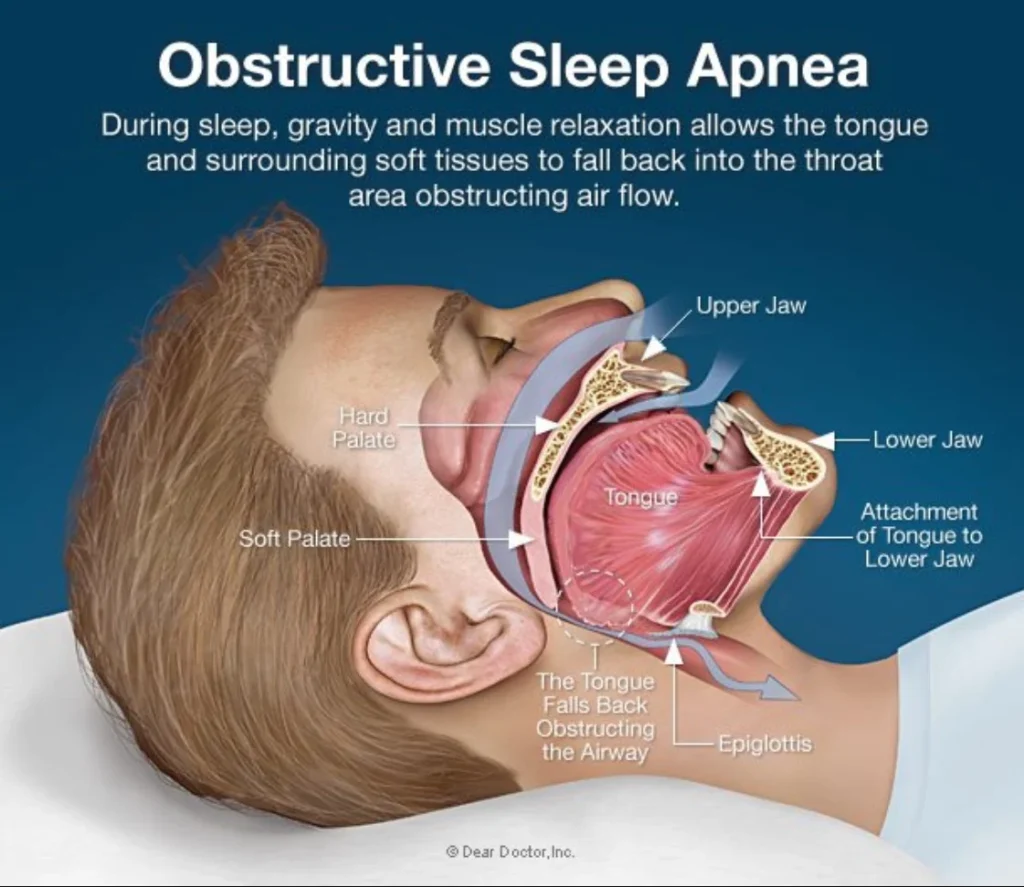
Snoring can be harmless, but it can also show up alongside signs linked to sleep apnea. If you hear about breathing pauses, or you feel unusually sleepy during the day, take it seriously.
Use a credible overview to frame the conversation, like Improve Your Sleep Routine With This 10-3-2-1-0 Hack Tonight. Then talk to a clinician for screening and next steps.
Where an anti snoring mouthpiece fits (and where it doesn’t)
Think of a mouthpiece as a mechanical helper. It’s not a “sleep wellness” vibe product. It’s a tool that can reduce snoring when anatomy and sleep position are the drivers.
Good fit signals
- Snoring is worse on your back.
- Dry mouth in the morning suggests mouth breathing.
- Your partner says the sound is more of a steady rumble than random snorts tied to congestion.
- You want a reusable, at-home option that doesn’t require a nightly consumable.
Not-so-great fit signals
- Your main issue is nasal blockage.
- You have jaw pain, significant dental issues, or you can’t tolerate anything in your mouth.
- You have red-flag symptoms (pauses in breathing, choking/gasping, severe daytime sleepiness).
Budget-first: what to try in order
If you’re trying to improve sleep quality without buying a drawer full of “miracle” sleep gear, use this sequence:
- Free: side sleeping, earlier alcohol cutoff, consistent wind-down, and a cooler, darker room.
- Low-cost: nasal support if congestion is obvious, plus pillow/position tweaks.
- Practical upgrade: an anti snoring mouthpiece if jaw position and mouth breathing look like the pattern.
- Medical step: clinician screening if you suspect sleep apnea symptoms or you’re not improving.
FAQ
Do anti-snoring mouthpieces work for everyone?
No. They’re most useful when snoring is related to jaw position or mouth breathing. They may be less helpful if congestion or a sleep disorder is the main factor.
How long does it take to notice results?
Some people notice improvement quickly. Others need a short adjustment period to find comfort and consistency.
Is loud snoring always a sign of sleep apnea?
No, but it can be associated with sleep apnea. If snoring comes with gasping, choking, or witnessed breathing pauses, consider medical screening.
Can I combine a mouthpiece with nasal strips or lifestyle changes?
Yes, many people combine approaches. Pairing side sleeping and nasal support with a mouthpiece can be a practical stack for airflow.
What’s the most budget-friendly first step to try tonight?
Side sleep, skip late alcohol, and set a firm wind-down. If snoring continues, consider a mouthpiece as the next step rather than buying random gadgets.
CTA: make the next step simple
If your pattern points to jaw position or mouth breathing, don’t overcomplicate it. Learn the basics, then choose a practical option that fits your budget and comfort.
How do anti-snoring mouthpieces work?
Medical disclaimer: This article is for general information only and is not medical advice. Snoring can be a symptom of a medical condition, including sleep apnea. If you have breathing pauses, choking/gasping during sleep, significant daytime sleepiness, chest pain, or other concerning symptoms, seek evaluation from a qualified clinician.