
At 2:13 a.m., someone in a hotel room scrolls through “sleep gadget” videos with one eye open. The other eye is on their partner, who’s snoring like a tiny lawnmower. Tomorrow is a big meeting. Tonight is a negotiation: earplugs, pillow repositioning, and that familiar thought—“Is this just annoying, or is it something bigger?”
Snoring is having a moment in the culture. People joke about it in relationships, buy new trackers, and blame travel fatigue. Meanwhile, burnout makes light sleep feel even lighter. Here’s the direct, no-drama decision guide for protecting sleep quality—and choosing an anti snoring mouthpiece the smart way.
First: don’t treat snoring like a punchline if symptoms stack up
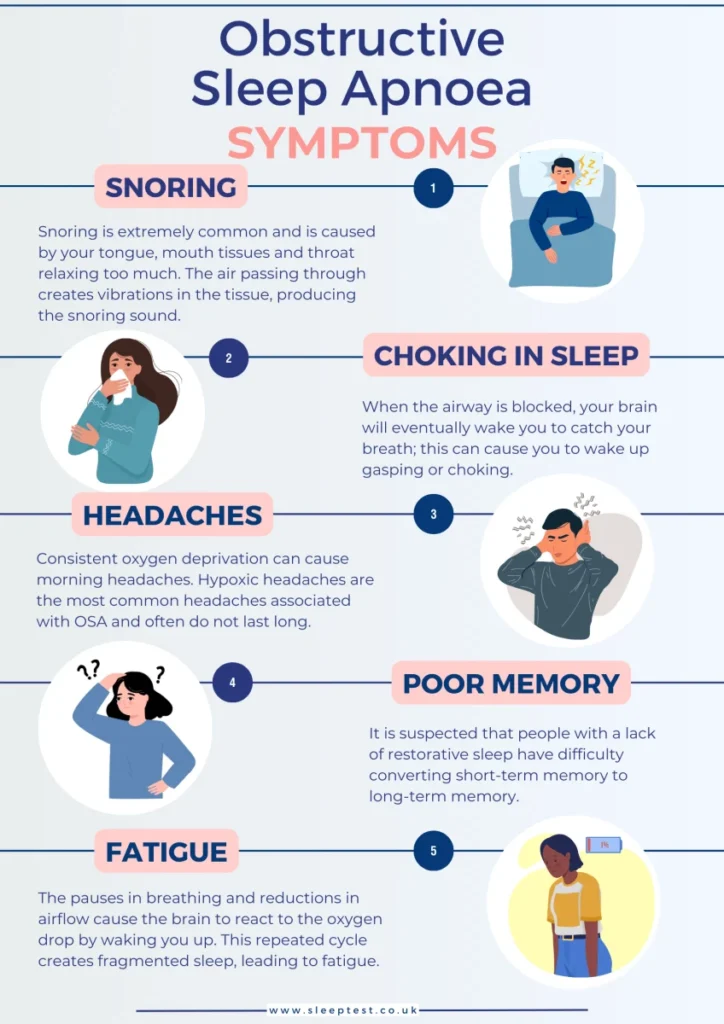
Snoring can be simple vibration from relaxed tissues. It can also show up alongside obstructive sleep apnea (OSA), where breathing repeatedly narrows or pauses during sleep. OSA is commonly discussed in major health outlets because it can affect more than your mood and focus.
If you want a quick read on why snoring may connect to bigger health conversations, see this: Sleep Apnea and Your Heart: Why Snoring Isn’t Just a Nuisance – NewYork-Presbyterian.
The “If…then…” decision guide (use this tonight)
If snoring is occasional and tied to travel, alcohol, or congestion… then start with positioning
When routines get messy—late dinners, flights, new pillows—snoring often spikes. Try a simple positioning reset first:
- Sleep on your side (back sleeping often worsens snoring).
- Elevate the head slightly if reflux or congestion is in play.
- Keep the room cool and the nose comfortable (dry air can make things worse for some people).
If snoring is frequent and your partner reports “stop-start” breathing… then get evaluated before you DIY
Red flags include choking or gasping, witnessed pauses, morning headaches, and heavy daytime sleepiness. Don’t self-diagnose, but don’t ignore patterns either. A clinician can help determine whether sleep apnea testing makes sense and what options fit your situation.
If snoring is steady, you wake up unrefreshed, and you want a practical tool… then consider an anti snoring mouthpiece
Many mouthpieces aim to reduce snoring by gently moving the lower jaw forward to keep the airway more open. You’ll see more conversation about oral appliances lately, including devices that can integrate with “connected care” ecosystems. The takeaway is simple: oral appliances are a real category, not just a novelty gadget.
To compare product styles and features, start here: anti snoring mouthpiece.
How mouthpieces fit into sleep quality (and why comfort is the whole game)
Sleep quality isn’t only about total hours. It’s also about how often you wake up, how deep your sleep gets, and whether your bed partner is nudging you every 20 minutes. A well-fit mouthpiece can help by lowering noise and reducing micro-awakenings for some people.
ICI basics: the three checkpoints before you commit
- Impact: Does it actually reduce snoring volume and frequency for you?
- Comfort: Can you wear it without jaw pain, gum irritation, or a “clenched” feeling?
- Integration: Will you use it consistently, clean it easily, and travel with it?
Technique matters: fit, positioning, and cleanup
Fit: start conservative
More advancement is not always better. Too aggressive can trigger soreness and make you quit. If the device is adjustable, small changes over several nights usually beat one big change on night one.
Positioning: pair the mouthpiece with side-sleeping
A mouthpiece can help, but back-sleeping can still overpower the benefit for some people. Side-sleeping plus a supportive pillow is a strong combo.
Cleanup: keep it simple so you’ll keep using it
Rinse it after use, brush gently, and air-dry. Store it in a ventilated case. Replace it if it cracks, warps, or starts to smell despite cleaning.
When to stop experimenting and get medical input
- You have loud snoring plus choking/gasping, or witnessed breathing pauses.
- Daytime sleepiness is affecting driving, work, or mood.
- You have high blood pressure or other cardiovascular concerns and snoring is persistent.
- Jaw pain, tooth pain, or bite changes show up after using a device.
FAQ (quick answers)
Do anti-snoring mouthpieces work for everyone?
No. They can help with simple snoring for some people, but they’re not universal.
Is loud snoring always sleep apnea?
No, but loud snoring with other symptoms is a reason to get checked.
Boil-and-bite or custom?
Boil-and-bite is a lower-cost trial. Custom devices can improve comfort and stability for some users.
How fast can sleep quality improve?
Sometimes quickly, but it depends on fit, comfort, and consistent use.
How do I clean it?
Rinse, gently brush with mild soap, and air-dry. Follow the manufacturer’s instructions.
Bottom line: choose the next step you’ll actually stick with
If your snoring is mainly a “sleep quality tax” and not a cluster of red flags, an anti snoring mouthpiece can be a practical tool. Keep the approach boring: fit it carefully, pair it with side-sleeping, and clean it consistently. If symptoms point toward sleep apnea, move from guessing to evaluation.
How do anti-snoring mouthpieces work?
Medical disclaimer: This article is for general information only and is not medical advice. Snoring can have multiple causes, including conditions that require diagnosis and treatment by a qualified clinician. If you have choking/gasping during sleep, witnessed breathing pauses, severe daytime sleepiness, or concerns about heart health, seek medical evaluation.