
Snoring is having a moment. Not the fun kind.
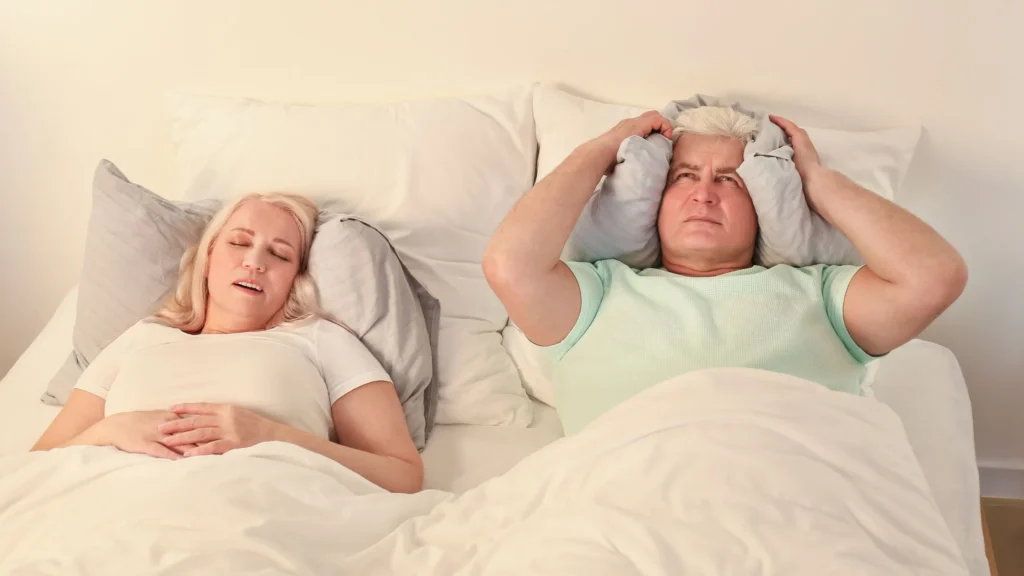
Between sleep gadgets, travel fatigue, and burnout culture, people are chasing deeper sleep like it’s a productivity hack. Meanwhile, the person next to you is auditioning for a chainsaw commercial.
An anti snoring mouthpiece can be a practical tool—if you pick the right style, fit it correctly, and watch for medical red flags.
Is snoring just annoying, or is it messing with sleep health?
Snoring can be “just noise,” but it can also be a signal that airflow is getting restricted during sleep. Either way, it often wrecks sleep quality for two people: the snorer and the listener.
That matters right now because people are already running on empty. Workplace burnout, doomscrolling, and late-night travel schedules don’t leave much room for fragmented sleep.
Also, snoring isn’t always harmless. Some medical sources emphasize that snoring can overlap with sleep-disordered breathing, including obstructive sleep apnea, which has broader health implications. If you’re unsure, don’t guess.
Quick red flags to take seriously
- Choking, gasping, or pauses in breathing during sleep (reported by a partner)
- Morning headaches, dry mouth, or feeling unrefreshed most days
- Daytime sleepiness, irritability, or trouble focusing
- High blood pressure or heart concerns (especially with loud snoring)
If those show up, a mouthpiece may still be part of the plan, but you should talk to a clinician and consider a sleep evaluation.
What are people saying about anti-snoring mouthpieces right now?
Recent coverage has put mouthpieces back in the spotlight, with “does it really work?” style reviews and more discussion from dental circles about sleep-related therapies. That mix has made shoppers more skeptical (good) and more detail-oriented (also good).
The trend is simple: people want a tool that’s cheaper than a drawer full of gadgets, easier than taping their mouth, and less disruptive than a nightly science experiment.
If you want a general reference point for what’s being discussed in the news cycle, see this SleepZee Reviews (Consumer Reports) Does This Anti-Snoring Mouthpiece Really Work?.
How does an anti snoring mouthpiece work (in plain English)?
Most anti-snoring mouthpieces try to keep your airway more open while you sleep. They do it by changing position—usually the lower jaw, sometimes the tongue.
Think of it like moving a crowded doorway a few inches wider. That small change can reduce vibration in the throat tissues, which is what creates the snoring sound.
Two common styles you’ll see
- Mandibular advancement devices (MADs): Nudge the lower jaw forward.
- Tongue-retaining devices (TRDs): Hold the tongue forward to reduce airway blockage.
Which one works better depends on your anatomy, your sleep position, and what you can tolerate comfortably.
What makes a mouthpiece succeed or fail? (Fit, comfort, and positioning)
Most “it didn’t work” stories come down to one of three things: the fit was unstable, the jaw position was off, or the person couldn’t keep it in long enough to adapt.
Fit: stable beats tight
A good fit should feel secure without feeling like it’s clamping your teeth. If it pops loose when you relax your jaw, it won’t do its job.
If it feels painfully tight, you’re likely to rip it out at 2 a.m. That’s not a character flaw. It’s a fit problem.
Positioning: small adjustments matter
Jaw-advancing designs often work best when they move the jaw forward just enough to improve airflow. Too little may do nothing. Too much can cause soreness.
Side sleeping can also amplify results. Back sleeping often makes snoring worse for many people.
Comfort: plan for an adaptation window
Expect a short adjustment period. Mild drooling, pressure, or jaw stiffness can happen early on.
Give yourself a fair trial, but don’t ignore sharp pain, tooth pain, or bite changes. Those are signs to stop and reassess.
What about ADHD sleep, travel fatigue, and “sleep optimization” culture?
Sleep advice is everywhere right now, including tips tailored to ADHD and routines built around consistency. That’s useful, but snoring is mechanical as well as behavioral.
Travel fatigue, alcohol close to bedtime, and congestion can all make snoring louder. So can stress. If you’re in a heavy work season, your sleep may be lighter, and your partner may notice every sound.
A mouthpiece won’t replace good sleep habits. It can reduce the noise and airflow restriction piece so the rest of your routine has a chance to work.
How do you keep a mouthpiece clean without overthinking it?
Keep it simple. Rinse it after use, brush gently with mild soap, and let it dry fully.
Skip boiling water or harsh cleaners unless the manufacturer explicitly recommends them. Heat can warp some materials, and strong chemicals can irritate your mouth.
Which product features are worth paying attention to?
Don’t get distracted by flashy packaging. Focus on what affects nightly use.
- Adjustability: lets you fine-tune jaw position instead of guessing.
- Retention: stays in place even when you relax.
- Comfort profile: bulkier designs can trigger gagging for some people.
- Compatibility: consider braces, crowns, TMJ history, and sensitive teeth.
If you want a combined approach some couples like (especially when mouth-breathing is part of the story), you can look at an anti snoring mouthpiece.
When should you skip DIY and talk to a professional?
If you suspect sleep apnea, don’t self-treat and hope for the best. Get evaluated. Snoring plus breathing pauses, significant daytime sleepiness, or cardiovascular concerns deserves real medical attention.
Also consider professional guidance if you have TMJ issues, significant dental work, or persistent jaw pain. Dental sleep medicine is an active area of discussion, and a clinician can help you avoid problems that come from a poor fit.
FAQs
Can an anti-snoring mouthpiece help with loud snoring?
It can help some people, especially when snoring is related to jaw position and airway narrowing. Results vary by anatomy, sleep position, and consistency.
Is snoring always a sign of sleep apnea?
No. But loud, frequent snoring plus choking/gasping, daytime sleepiness, or high blood pressure can be a red flag worth medical evaluation.
What’s the difference between a mouthpiece and a CPAP?
A mouthpiece aims to improve airflow by changing jaw or tongue position. CPAP uses air pressure to keep the airway open and is commonly used for diagnosed sleep apnea.
How long does it take to get used to a mouthpiece?
Many people need several nights to a couple of weeks to adapt. Starting with short wear periods and ensuring a stable fit can help.
How do I clean an anti-snoring mouthpiece?
Rinse after use, brush gently with mild soap, and let it air-dry. Avoid harsh chemicals or hot water unless the product instructions say it’s safe.
Next step: get a simple plan in motion
If snoring is hurting sleep quality, don’t wait for a “perfect” week to fix it. Pick one tool, set a short trial window, and track what changes: snoring volume, morning energy, and partner sleep.
How do anti-snoring mouthpieces work?
Medical disclaimer: This article is for general education only and is not medical advice. Snoring can be a symptom of obstructive sleep apnea or other conditions. If you have breathing pauses, choking/gasping, significant daytime sleepiness, or heart/blood pressure concerns, seek evaluation from a qualified clinician.