
Snoring is having a moment. Not the fun kind.
Between travel fatigue, late-night scrolling, and burnout, a noisy sleeper can turn one rough week into a whole rough season.
If snoring is stealing sleep (and patience), an anti snoring mouthpiece can be a practical step—when you match it to the right problem.
What people are talking about right now (and why it matters)
Sleep is trending like a tech category. You’ll see lists of “best sleep products,” new wearables, and endless advice about bedtime routines. You’ll also see more skepticism about device claims and company transparency, especially around anti-snoring gadgets.
On top of that, the cultural vibe is clear: people are tired. Work stress, doomscrolling, and inconsistent schedules make sleep feel fragile. When snoring enters the chat, it can turn a couple’s bedroom into a negotiation.
If you want a mainstream, big-picture refresher, check this Expert shares tips on getting better sleep roundup and then bring it back to your real issue: airflow, noise, and recovery.
What matters medically (without the jargon)
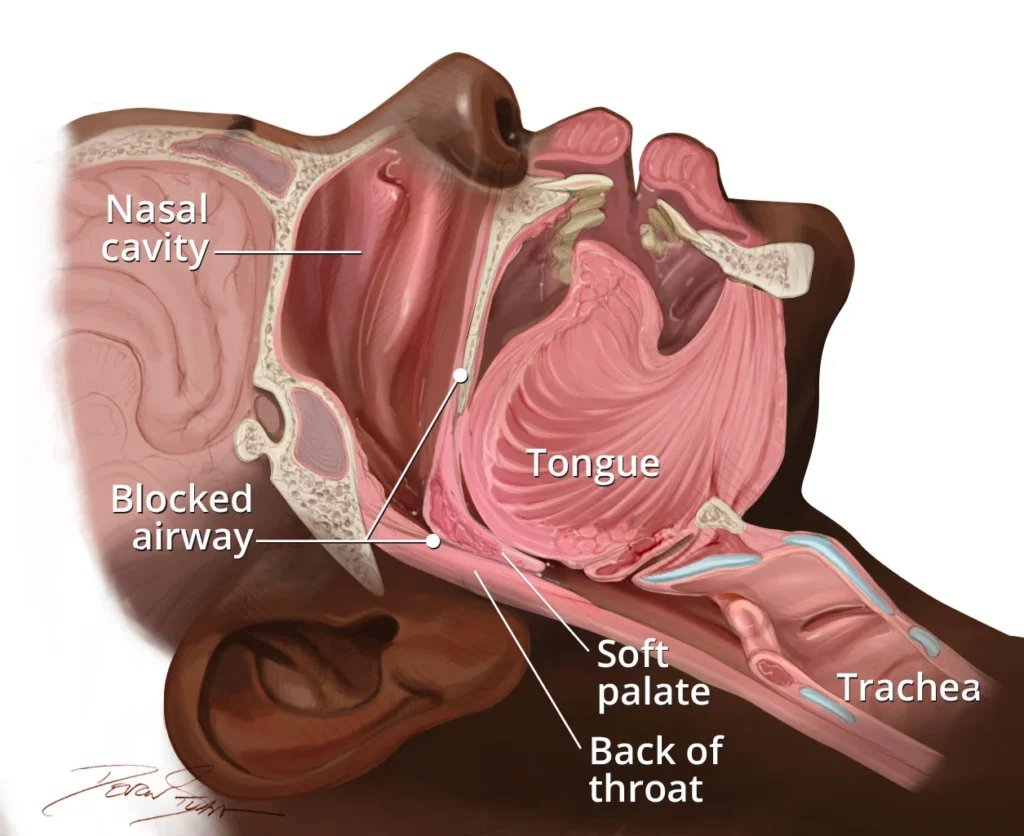
Snoring usually happens when airflow is partially blocked and soft tissues vibrate. That blockage can be influenced by sleep position, nasal congestion, alcohol, weight changes, and jaw/tongue placement.
Snoring also sits on a spectrum. On one end, it’s “annoying but uncomplicated.” On the other end, it can overlap with obstructive sleep apnea (OSA), where breathing repeatedly narrows or stops during sleep.
Snoring vs. sleep apnea: quick reality check
You can snore without sleep apnea. You can also have sleep apnea without loud snoring. What raises concern is a pattern: loud snoring plus pauses in breathing, choking or gasping, morning headaches, or heavy daytime sleepiness.
Medical disclaimer: This article is for general education only. It doesn’t diagnose, treat, or replace care from a licensed clinician. If you suspect sleep apnea or have worrisome symptoms, seek medical evaluation.
What you can try at home (starting tonight)
Think of this as a short experiment, not a personality test. Your goal is to reduce airway resistance and protect sleep quality for both people in the bed.
1) De-scroll your bedtime
Many recent sleep-hygiene conversations point to the same culprit: late-night scrolling that steals hours. Put the phone on a charger across the room. Give yourself a small “off-ramp” into sleep—shower, book, or a simple playlist.
2) Change the angle, change the sound
Back-sleeping can make snoring worse for some people. Try side-sleeping or a supportive pillow setup that keeps your head and neck neutral. If travel is making you puffy and congested, prioritize hydration and a consistent sleep window when you get home.
3) Use a mouthpiece when the pattern fits
An anti snoring mouthpiece is designed to help keep the airway more open by adjusting jaw or tongue position (depending on the style). For many couples, it’s appealing because it’s a low-friction, at-home tool that doesn’t require powering up an app at midnight.
If you’re comparing options, look for clear sizing/fitting guidance, materials you can tolerate, and return policies that reduce the risk of “drawer destiny.” If you want a starting point to evaluate, here’s a anti snoring mouthpiece option to review.
4) Keep the relationship on the same team
Snoring fights usually aren’t about snoring. They’re about exhaustion. Try a neutral script: “I’m not mad, I’m fried. Can we test two changes for a week and see if we both sleep better?”
Agree on one metric that matters. Examples include fewer wake-ups, less resentment at 2 a.m., or feeling more functional at work.
When it’s time to get help (don’t white-knuckle it)
Get medical advice promptly if you notice choking/gasping, witnessed breathing pauses, chest pain, severe daytime sleepiness, or high blood pressure that’s hard to control. Those can be signals that snoring isn’t the whole story.
Also reach out if you have jaw pain, dental issues, or headaches that worsen with an oral device. A clinician or dentist can help you choose safer options and check fit.
FAQ: mouthpieces, sleep quality, and sanity
Do anti-snoring mouthpieces work for everyone?
No. They can help some people, especially with position-related snoring, but results depend on the cause of snoring and how well the device fits.
How long does it take to get used to a mouthpiece?
Many people need a few nights to a couple of weeks. Start with shorter wear time and follow the product’s fitting steps.
Is snoring always a sign of sleep apnea?
No, but loud, frequent snoring plus choking/gasping, witnessed pauses, or severe daytime sleepiness can be warning signs worth evaluating.
Can a mouthpiece replace a sleep study?
It shouldn’t. If you have red flags for sleep apnea, get evaluated. A mouthpiece may be part of a plan, but it’s not a diagnosis tool.
What if my partner snores and won’t address it?
Lead with impact, not blame. Share how it affects your sleep, suggest a low-pressure trial (like side-sleeping or a mouthpiece), and agree on a check-in date.
Next step: pick one change and run a 7-night trial
You don’t need a dozen gadgets to make progress. Choose one sleep-hygiene habit and one snoring tool, then reassess after a week. Small improvements compound fast when both people finally sleep.