
- Snoring is rarely “just noise.” It can be a sleep-quality problem for two people, not one.
- Sleep gadgets are trending, but basics still matter. A simple routine often beats a drawer full of devices.
- An anti snoring mouthpiece can be a practical middle step. It’s less intense than clinical gear, more targeted than strips.
- Travel fatigue and burnout make snoring worse. Stress, late nights, alcohol, and congestion stack the odds.
- Red flags deserve real medical attention. Loud snoring plus gasping or daytime sleepiness isn’t a DIY situation.
Big picture: why snoring is getting so much attention
Sleep has turned into a cultural obsession. People track it, score it, and compare it like steps. That makes sense. When your nights are messy, your days feel harder.
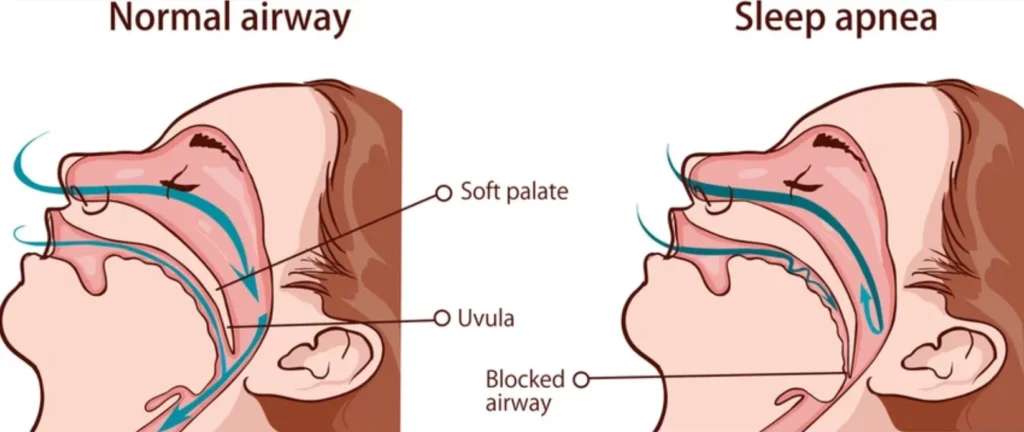
Snoring sits right in the middle of this trend. It’s visible (or audible), it’s awkward, and it often shows up during high-stress seasons. Think work burnout, nonstop travel, or that phase where everyone is trying a new “sleep hack.”
Snoring vs. sleep quality: the part most people miss
Plenty of snorers say, “I sleep fine.” Their partner usually disagrees. Even if the snorer stays asleep, the household sleep quality can drop fast.
Also, snoring can sometimes be linked to sleep-disordered breathing. If you’re worried about that, read up on 5 key sleep hygiene habits of highly successful people — and how they help you sleep for longer after just one night and talk with a clinician if it matches your situation.
The emotional side: pressure, jokes, and real resentment
Snoring shows up as relationship humor online for a reason. It’s relatable. It’s also not funny at 2:17 a.m. on a work night.
Many couples fall into a loop: the snorer feels blamed, the partner feels ignored, and both feel tired. That’s when communication matters more than the “perfect” product.
A quick script that lowers the temperature
Try: “I’m not mad. I’m just running on empty. Can we test a plan for two weeks and see what changes?”
That framing turns it into teamwork. It also gives you a finish line, which reduces the nightly tension.
Practical steps: a simple snoring plan that doesn’t require 12 gadgets
If you’ve been doom-scrolling sleep tips, you’ve seen the same themes: consistent schedule, calmer wind-down, and fewer late-night disruptors. Those basics are popular because they work for many people.
Step 1: tighten the “sleep hygiene” screws
Use what’s realistic, not what’s aspirational.
- Keep a steady bedtime and wake time most days, even after travel.
- Limit alcohol close to bed if you notice louder snoring after drinks.
- Decongest when needed (dry air, allergies, colds can all worsen snoring).
- Side-sleep support can help some people who snore more on their back.
- Downshift routine: dim lights, lighter scrolling, and a predictable pre-bed rhythm.
Step 2: decide where a mouthpiece fits
An anti-snoring mouthpiece is often considered when lifestyle tweaks aren’t enough, but you’re not ready for more intensive options. Many designs aim to position the jaw and tongue to help keep the airway more open during sleep.
If you’re comparing products, start with a focused list of anti snoring mouthpiece rather than buying random fixes that don’t match your needs.
Step 3: run a two-week “sleep experiment”
Keep it simple. Pick one change from sleep hygiene and one tool to test. Then track two signals: partner-reported snoring and your daytime energy.
Travel week? New job stress? That’s fine. Just note it. Travel fatigue can be a loud snoring multiplier, even when you do everything “right.”
Safety and testing: how to be smart about mouthpieces
Mouthpieces can be helpful, but comfort matters. A device you hate won’t get used, and inconsistent use makes results hard to judge.
What “normal adjustment” can feel like
- Mild drooling early on
- Temporary jaw or tooth soreness
- A brief “weird bite” feeling right after waking
Those should improve as you adapt. If pain persists, you notice tooth shifting, or your jaw clicks or locks, stop and seek professional advice.
When not to DIY
Get medical guidance if you have any of these:
- Pauses in breathing, choking, or gasping during sleep
- Severe daytime sleepiness, morning headaches, or concentration issues
- High blood pressure concerns or other health risks your clinician has flagged
Snoring can be benign, but it can also overlap with obstructive sleep apnea. Don’t let “sleep gadget culture” replace proper evaluation when symptoms are serious.
FAQ
Do anti-snoring mouthpieces help with sleep quality?
They can, especially if snoring is waking you or your partner. Better sleep often shows up as improved morning energy and fewer night disruptions.
What if my snoring is worse after business travel?
That’s common. Jet lag, dehydration, alcohol, and unfamiliar pillows can all contribute. Focus on hydration, consistent timing, and a simple wind-down routine.
Should I buy the most high-tech sleep device instead?
Not automatically. Data can be useful, but it doesn’t always change outcomes. If snoring is the main issue, targeted solutions plus basics often win.
Next step: get a plan you’ll actually follow
Snoring is personal, but you don’t have to treat it like a character flaw. Treat it like a fixable sleep problem with a clear test period.
How do anti-snoring mouthpieces work?
Medical disclaimer: This article is for general education only and is not medical advice. Snoring can sometimes signal a medical condition, including sleep apnea. If you have breathing pauses, choking/gasping, significant daytime sleepiness, or other concerning symptoms, consult a qualified healthcare professional.