
Is your snoring “just annoying,” or is it wrecking your sleep quality?
Are sleep gadgets and viral hacks actually helping, or just adding stress?
Could an anti snoring mouthpiece be the simplest fix for you and your partner?
Those are the three questions people keep circling back to right now—especially as sleep tech trends grow, burnout headlines keep rolling, and couples joke (half-seriously) about “sleep divorces” after one too many loud nights.
What people are talking about right now (and why it matters)
Sleep is having a moment. Not in a calm, spa-day way. More like a “my wearable says I’m cooked” way.
Recent headlines have highlighted a new clinical trial exploring an innovative anti-snoring device, which adds to the broader interest in practical tools that reduce sleep disruption. You can see the general coverage here: New clinical trial will test innovative anti-snoring device to tackle sleep disruption.
At the same time, sleep advice has gotten more blunt. Some recent commentary has pushed back on the idea that staying in bed longer automatically fixes fatigue. That lands with anyone who’s tried to “catch up” after travel, late-night scrolling, or a stressful work week and still wakes up feeling foggy.
Then there’s the product chatter. Mouthpieces keep showing up in reviews and “best of” lists. That doesn’t mean one product is magic. It does mean people want a solution that’s less dramatic than surgery and less annoying than a bedroom argument at 2 a.m.
The medical-ish reality: what snoring can mean for sleep health
Snoring happens when airflow is partially blocked and tissues in the throat vibrate. That vibration is the sound. The bigger issue is what it can do to sleep quality—yours and your partner’s.
Why your partner’s sleep matters, too
Snoring is a relationship problem because it’s a sleep problem. When one person is up, both people pay for it the next day. That can look like short tempers, worse focus, and a “why are we arguing about dishes?” vibe that’s really just exhaustion.
Snoring vs. sleep apnea: don’t guess
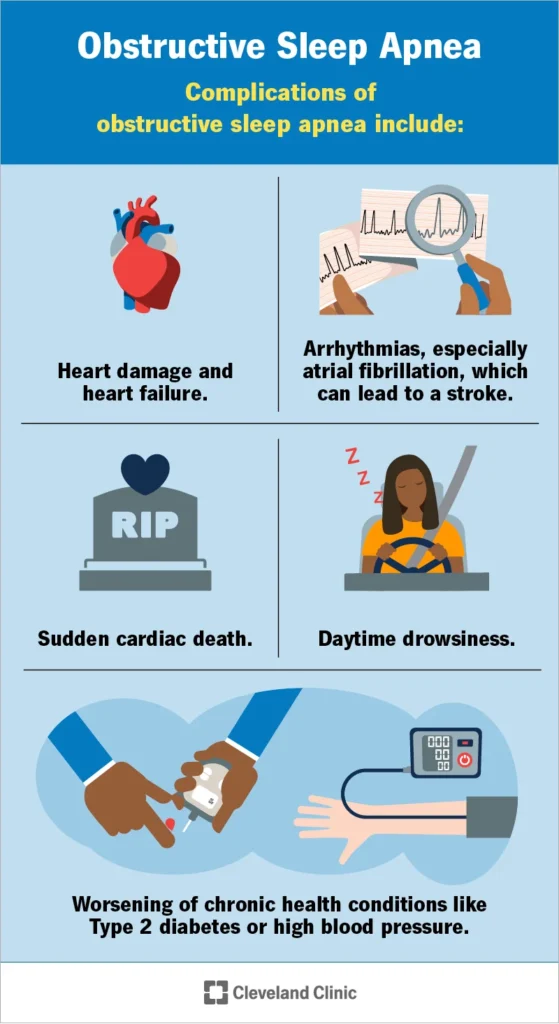
Not all snoring is sleep apnea, but sleep apnea often includes loud snoring. If there are breathing pauses, choking/gasping, morning headaches, or heavy daytime sleepiness, treat that as a red flag—not a DIY project.
Medical disclaimer: This article is for general education only. It is not medical advice and can’t diagnose any condition. If you suspect sleep apnea or have concerning symptoms, talk with a qualified clinician.
What you can try at home (without turning bedtime into a science fair)
If you’re overwhelmed by gadgets, start with the basics. Pick two or three changes and test them for a week. Consistency beats chaos.
1) Do a quick “snore audit” together
Keep it light. Ask: When is it worse—after alcohol, on your back, during allergy season, after travel, or during high-stress weeks?
This isn’t about blame. It’s about patterns. Patterns tell you what to try next.
2) Protect your wind-down window
Burnout doesn’t stay at your desk. When stress stays high at night, sleep gets lighter and more fragmented. That can make snoring feel louder and more disruptive.
Try a short buffer: dim lights, a predictable bedtime, and less late-night scrolling. If you share a room, agree on a “last phone check” time so it doesn’t become a nightly negotiation.
3) Consider an anti snoring mouthpiece if jaw position seems involved
Mouthpieces for snoring usually work by gently repositioning the lower jaw or stabilizing the mouth in a way that can help keep the airway more open. They’re popular because they’re portable (hello, travel fatigue) and they don’t require a charger.
If you’re comparing options, start here: anti snoring mouthpiece. Focus on comfort, fit approach, and return policies. A mouthpiece you can’t tolerate is a mouthpiece you won’t use.
4) Keep expectations realistic
A mouthpiece can reduce snoring for many people, but it’s not a universal fix. Congestion, sleep position, and alcohol can still overpower a good setup.
Also, comfort matters. Some people notice jaw soreness early on. If pain is sharp, persistent, or worsening, stop and get advice from a dental professional.
When to stop experimenting and get help
Home trials are fine for simple snoring. Don’t stretch them out for months if the signs point to something bigger.
Get evaluated sooner if you notice:
- Breathing pauses, choking, or gasping during sleep
- Excessive daytime sleepiness or dozing off easily
- High blood pressure concerns or worsening morning headaches
- Snoring that suddenly becomes much louder or more frequent
If you’re unsure, bring a short recording and a symptom list to your appointment. It saves time and makes the conversation clearer.
FAQ: quick answers people want before buying
Is snoring always a health problem?
Not always, but it’s often a sleep quality problem. If it’s frequent and disruptive, it’s worth addressing.
Will a mouthpiece help if I only snore on my back?
It might, but combining it with side-sleep strategies can be more effective than relying on one tool.
Can I use a mouthpiece if I have dental work?
It depends on your dental situation. If you have crowns, TMJ issues, or ongoing dental pain, check with a dentist before using one.
CTA: make it a team decision, not a midnight fight
Snoring doesn’t have to turn into nightly tension. Pick a plan, set a two-week test window, and track what changes. Your goal isn’t perfection. It’s quieter nights and better mornings.