
Is your snoring getting louder—or just more noticeable lately?
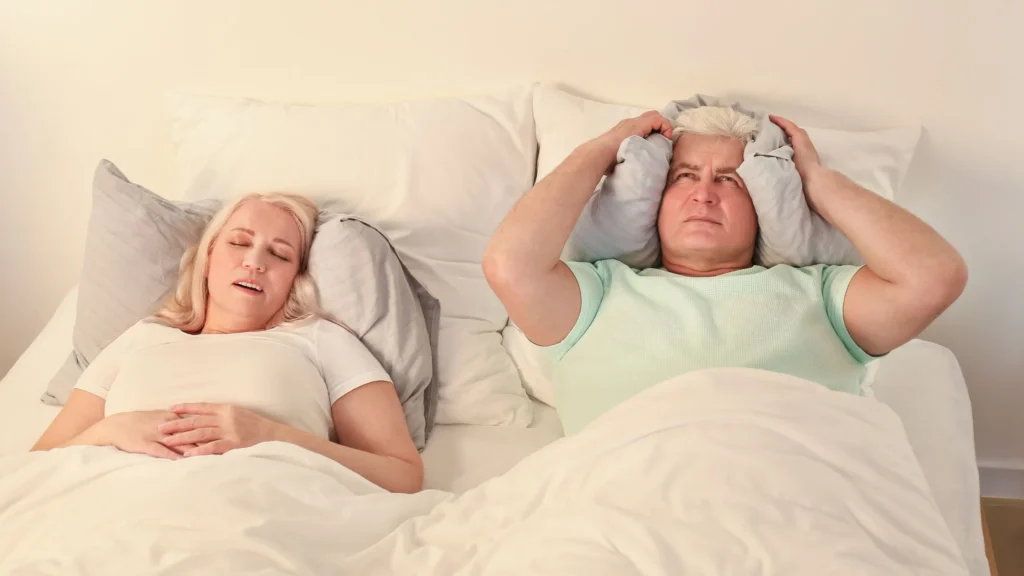
Are sleep gadgets and “sleep scores” making you anxious instead of rested?
And is an anti snoring mouthpiece actually a reasonable next step?
Yes, snoring can spike during stressful seasons, travel weeks, and burnout cycles. And yes, mouthpieces can be a practical tool for the right person. The key is matching the device to the snoring pattern, then dialing in comfort, positioning, and cleanup so you’ll actually use it.
Why is everyone suddenly talking about snoring and sleep quality?
Sleep has become a full-on culture topic. People compare wearables, debate “optimal” bedtimes, and buy new gadgets the way they used to buy coffee gear. At the same time, headlines keep connecting poor sleep with long-term health concerns, which raises the stakes.
Some recent coverage has highlighted how certain sleep problems can correlate with higher cardiovascular risk. If you want a general reference point, see this A Major Study Found Two Sleep Issues That Triple Heart Disease Risk. The takeaway for most people is simple: consistent, high-quality sleep matters, and loud snoring is worth paying attention to.
There’s also a social angle. Snoring is relationship comedy until it isn’t. When one person is up at 2 a.m. plotting a pillow wall, both people lose sleep. That’s when “quick fixes” start looking appealing.
What does snoring do to sleep quality (even if you don’t wake up)?
Snoring is vibration from partially blocked airflow. Sometimes the snorer sleeps through it. The bed partner often doesn’t.
Even if you feel “fine,” snoring can be a clue that breathing is less smooth than it should be. It can also pair with dry mouth, sore throat, or frequent bathroom trips. Those small disruptions add up, especially during busy work stretches or after long travel days.
Common snoring triggers people are dealing with right now
- Travel fatigue: odd bedtimes, different pillows, and more back-sleeping.
- Burnout patterns: late screens, irregular schedules, and stress tension in the jaw/neck.
- Evening alcohol or heavy meals: can relax tissues and worsen vibration.
- Nasal congestion: seasonal allergies and dry hotel air are frequent culprits.
How can an anti snoring mouthpiece help, in plain language?
An anti snoring mouthpiece aims to reduce the airway “pinch point” that creates vibration. Different designs do this in different ways. The most common approach gently positions the lower jaw forward. That can help keep the airway more open for some sleepers.
Think of it like changing the angle of a kinked garden hose. You’re not forcing more water. You’re reducing the bend that restricts flow.
Two common styles you’ll see
- Mandibular advancement devices (MADs): reposition the lower jaw slightly forward.
- Tongue-retaining devices (TRDs): help keep the tongue from falling back.
Device roundups and market reports keep popping up because demand is rising. People want something simpler than a full clinical pathway, especially when snoring is “sometimes” and tied to lifestyle swings.
What should you look for before buying a mouthpiece?
Skip the hype and focus on fit, comfort, and whether you’ll keep it clean. A mouthpiece that sits in a drawer doesn’t help anyone.
Fit: the ICI basics (In, Comfortable, and Intuitive)
- In: It should stay seated without you clenching all night.
- Comfortable: No sharp edges. No constant gag feeling. Mild pressure can be normal at first.
- Intuitive: You should be able to insert and remove it easily, even when sleepy.
Positioning: small changes beat big jumps
More forward isn’t always better. Over-advancing can cause jaw soreness and make you quit. A gradual approach usually wins because it’s sustainable.
Cleanup: keep it simple so you’ll do it nightly
Rinse after use, brush gently with mild soap, and let it dry fully. Avoid harsh heat. A quick routine protects the material and keeps the device from getting funky.
If you’re comparing options, start here: anti snoring mouthpiece. Use it as a shortlist, then choose based on comfort and adjustability.
What else should you do alongside a mouthpiece for better sleep health?
Mouthpieces work best as part of a basic sleep setup. You don’t need a dozen gadgets. You need repeatable habits.
Low-effort upgrades that pair well with a mouthpiece
- Side-sleep support: a body pillow or backpack trick to reduce back-sleeping.
- Nasal support: saline rinse or a humidifier if dry air is a trigger.
- Wind-down boundary: a 20–30 minute buffer before bed without work threads.
- Consistency: keep wake time steady, even after a rough night.
If you’re in a dorm, traveling for work, or sharing a room, these basics matter even more. They reduce the “everything is louder at night” effect that turns minor snoring into a major issue.
When is snoring a medical red flag, not just a nuisance?
Snoring can be harmless. It can also be a sign of obstructive sleep apnea. Don’t self-diagnose, but don’t ignore warning signs either.
- Pauses in breathing, gasping, or choking during sleep
- Severe daytime sleepiness or dozing off easily
- Morning headaches, high blood pressure, or mood changes
- Snoring that’s loud, nightly, and getting worse
Medical disclaimer: This article is for general education only and isn’t medical advice. If you suspect sleep apnea or have concerning symptoms, talk with a qualified clinician or a sleep specialist for evaluation and personalized guidance.
FAQ
Do anti-snoring mouthpieces work for everyone?
No. They tend to help most when snoring is linked to jaw position or an open mouth, but results vary by anatomy and sleep habits.
What’s the difference between a mouthguard and an anti-snoring mouthpiece?
A sports mouthguard mainly protects teeth. An anti-snoring mouthpiece is designed to change airflow or jaw/tongue position to reduce vibration.
How long does it take to get used to a mouthpiece?
Many people adapt over several nights to a couple of weeks. Start with short wear periods and focus on comfort and fit.
Can a mouthpiece help if I snore more when traveling?
It can. Travel fatigue, alcohol, and back-sleeping often worsen snoring, and a mouthpiece may reduce it when those triggers show up.
When should I talk to a clinician about snoring?
If you gasp, choke, stop breathing, wake with headaches, feel very sleepy during the day, or have high blood pressure, get evaluated for sleep apnea.
Ready to make snoring less of a nightly event?
Pick one tool, keep the routine simple, and track how you feel for two weeks. If you want to start with the basics and see how mouthpieces are designed to help, click below.