
Before you try another sleep hack, run this quick checklist:
- Are you snoring most nights, or only after alcohol, travel, or a late meal?
- Is your sleep partner nudging you awake (or joking about moving to the couch)?
- Do you wake up tired, foggy, or with a dry mouth?
- Are you collecting gadgets, but your sleep quality still feels off?
- Do you have red flags like choking/gasping, pauses in breathing, or heavy daytime sleepiness?
If snoring is becoming part of your personality (or your relationship’s comedy routine), you’re not alone. Sleep has been trending hard lately—wearables, mouth tape debates, “3 a.m. wake-ups,” daylight savings fatigue, and workplace burnout all push people to look for fast fixes. The smarter move is an order of operations that improves sleep health first, then adds tools like an anti snoring mouthpiece when it makes sense.
Overview: what’s happening when you snore (and why sleep feels worse)
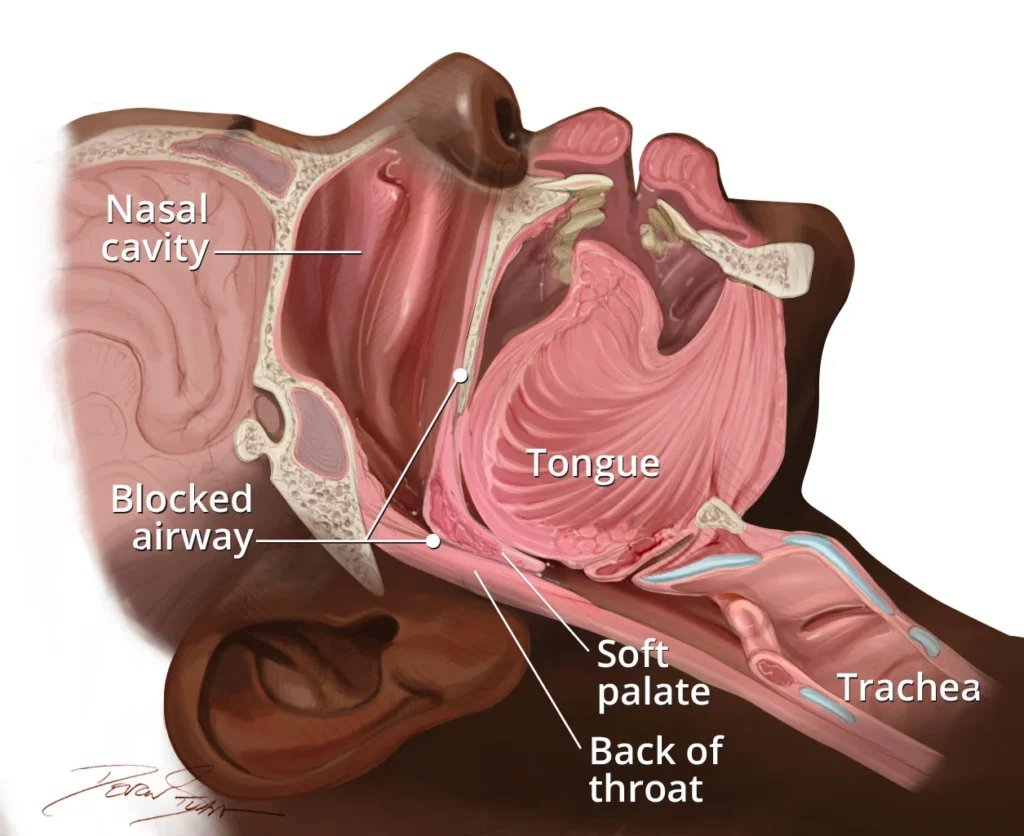
Snoring is usually vibration from soft tissues when airflow gets restricted during sleep. That restriction can come from nasal congestion, sleep position, jaw/tongue posture, alcohol-related relaxation, or simple anatomy.
Even when snoring doesn’t fully wake you, it can fragment sleep. That’s why people often report lighter sleep, more tossing, and the classic “I slept eight hours but feel like I didn’t” effect. Your partner may get the worst of it, too.
Important: Loud, frequent snoring can overlap with sleep apnea. If you suspect apnea, don’t DIY your way through it.
Timing: when snoring spikes (and when to test changes)
Snoring patterns often follow your calendar more than you’d expect. Try timing your experiments so you can actually tell what helped.
High-risk nights for louder snoring
- Travel fatigue: new pillows, dry hotel air, and disrupted schedules.
- After alcohol: airway muscles relax more than usual.
- Late meals: reflux or discomfort can worsen sleep quality.
- Seasonal congestion: allergies and colds push you toward mouth breathing.
- Clock changes: daylight savings can throw off sleep timing and increase “light sleep” nights.
Best time to evaluate an anti snoring mouthpiece
Pick a stable week. Avoid major travel, parties, or big schedule swings. Give it several nights, not one dramatic “test night,” and keep other variables steady (same bedtime, same pillow, similar caffeine timing).
Supplies: what to gather before you change anything
- A simple way to track results: partner feedback, a snore app, or wearable trends (keep it consistent).
- Basic sleep hygiene supports: eye mask, cool room setup, and a wind-down cue (shower, stretching, reading).
- Nasal support if needed: saline rinse or strips (especially during congestion).
- A mouthpiece option if snoring is frequent and positional changes aren’t enough.
You’ll also want a reality check on trendy hacks. Mouth taping, for example, has been widely discussed, but safety concerns come up when people have nasal obstruction or undiagnosed breathing issues. If you’re tempted, read a balanced overview first, like this piece on Why Doctors Say You Shouldn’t Tape Your Mouth Shut at Night.
Step-by-step (ICI): Identify → Change → Iterate
This is the no-drama method. It keeps you from buying five gadgets when one change would do.
1) Identify your snoring pattern
For 3–5 nights, note:
- Back sleeping vs side sleeping
- Alcohol and late food
- Nasal congestion
- Wake-ups (including the classic 3 a.m. “why am I awake?” moment)
If your partner reports pauses in breathing, gasping, or choking, skip the rest and seek medical evaluation.
2) Change the easiest levers first
- Position: Side sleeping reduces snoring for many people.
- Schedule: Keep a consistent wake time for a week.
- Wind-down: A 15–30 minute routine helps reduce stress-driven wake-ups.
- Airway comfort: Address dryness and congestion so nasal breathing is easier.
These steps won’t make headlines, but they often make the biggest difference in sleep quality.
3) Iterate with an anti snoring mouthpiece (when snoring is persistent)
If your snoring is frequent, relationship-disrupting, or stubborn despite basic changes, a mouthpiece may be worth trying. Many people look for a solution that’s less complicated than a room full of gadgets.
A common approach is a device that supports airflow by influencing jaw/tongue position. Some people also like combining strategies, such as pairing a mouthpiece with a chin strap to encourage closed-mouth breathing when appropriate.
If you’re comparing options, see this anti snoring mouthpiece and check fit, comfort, and return policies. Comfort matters because the best device is the one you can actually wear consistently.
4) Re-check results after a week
- Is snoring quieter or less frequent?
- Do you feel more refreshed?
- Is your partner sleeping better?
If nothing changes, don’t keep stacking hacks. Reassess triggers, fit, and whether you need medical screening.
Mistakes people are making right now (because sleep is trendy)
Chasing viral fixes instead of fixing the basics
Sleep content makes it look like one trick will change everything. In real life, consistent timing, comfort, and airflow usually beat novelty.
Assuming snoring is “just annoying”
Sometimes it is. Sometimes it’s a sign you should get checked for sleep-disordered breathing. If you’re exhausted during the day, take that seriously.
Changing five things at once
If you add a new pillow, new supplement, new gadget, and a new bedtime in the same week, you won’t know what worked. Run clean experiments.
Ignoring mouth and jaw comfort
A mouthpiece shouldn’t feel like a punishment. If you wake up with significant pain, stop and consider professional guidance.
FAQ
Do anti-snoring mouthpieces work for everyone?
No. They can help some people by improving airflow during sleep, but results vary based on anatomy, sleep position, and underlying issues.
Is mouth taping safe for snoring?
It can be risky for some people, especially if nasal breathing is limited. If you’re considering it, talk with a clinician first and prioritize safe, proven approaches.
What’s the difference between a mouthpiece and a chin strap?
A mouthpiece aims to change jaw or tongue position to support airflow. A chin strap mainly helps keep the mouth closed and may be used alongside other tools.
When should I talk to a doctor about snoring?
If you have choking/gasping at night, witnessed breathing pauses, severe daytime sleepiness, morning headaches, or high blood pressure, get evaluated for sleep apnea.
Why do I keep waking up around 3 a.m.?
Common factors include stress, alcohol, late caffeine, temperature, light, and inconsistent sleep timing. A simple wind-down routine and consistent wake time often help.
CTA: choose a simple next step (not a sleep gadget spiral)
If snoring is hurting your sleep quality—or your partner’s—start with the checklist, then test one change at a time. When the basics aren’t enough, an anti snoring mouthpiece can be a practical next step.
How do anti-snoring mouthpieces work?
Medical disclaimer: This article is for general education only and isn’t medical advice. Snoring can be a symptom of obstructive sleep apnea or other conditions. If you have breathing pauses, gasping/choking, significant daytime sleepiness, or other concerning symptoms, seek evaluation from a qualified clinician.