
At 2:14 a.m., someone in a hotel room nudges their partner and whispers, “You’re doing the chainsaw thing again.” The partner rolls over, blames the long flight, and reaches for a new sleep gadget on the nightstand. By 2:20, the gadget is off, the snoring is back, and the next day feels like walking through glue.
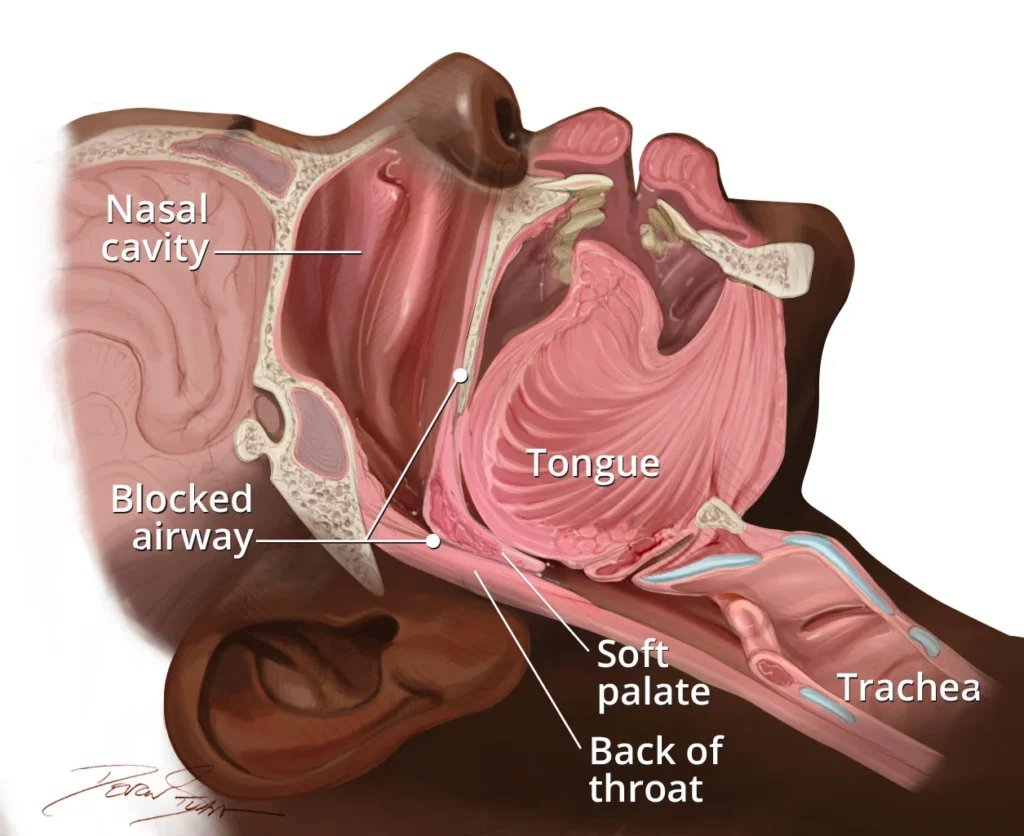
That scene is everywhere right now. People are talking about sleep like it’s a performance metric, a relationship issue, and a health trend all at once. Snoring sits right in the middle of it, and an anti snoring mouthpiece is one of the most searched, most debated tools in the mix.
Big picture: why snoring is suddenly everyone’s problem
Snoring isn’t new. What’s new is how many things make it worse: travel fatigue, late-night screens, work burnout, and the “optimize everything” culture. Even popular sleep-routine frameworks (like the social-media-friendly countdown-style habits people share) have pushed more people to track sleep and notice patterns.
There’s also a bigger health conversation happening. Many outlets now frame heavy snoring as more than a punchline, because it can sometimes overlap with sleep-disordered breathing. If you want a high-level look at how dentistry is thinking about sleep-related breathing issues, see January JADA outlines emerging dental therapies for obstructive sleep apnea.
The emotional layer: sleep loss spills into everything
Snoring rarely stays “just snoring.” It can turn into separate blankets, separate bedrooms, or that awkward joke in the morning that isn’t really a joke. It can also fuel resentment because the non-snorer feels punished for something they can’t control.
On top of that, poor sleep quality hits focus and mood. People call it “burnout,” “brain fog,” or “being off,” but the pattern often starts at night. If your sleep is fragmented, your days get louder and shorter.
Practical steps: a no-drama plan to test what helps
You don’t need a drawer full of gadgets to start. You need a simple sequence and a way to judge results.
Step 1: Get a baseline for 7 nights
Pick one week. Track three things: bedtime, alcohol late in the evening (yes/no), and how you felt by mid-morning. If you share a room, ask your partner for a simple 0–3 snoring rating. Keep it quick.
Step 2: Try position and airflow first
Many people snore more on their back. Side-sleeping can reduce snoring for some. Nasal breathing also matters, so consider whether congestion is driving mouth-open sleep.
Keep changes small. If you change five things at once, you won’t know what worked.
Step 3: Where an anti snoring mouthpiece fits
An anti-snoring mouthpiece is popular because it’s direct. Instead of changing your whole lifestyle, you wear a device at night. Many designs aim to support airflow by adjusting jaw position or stabilizing the mouth.
People are also pairing tools more often now. If open-mouth snoring is part of your pattern, a combined approach can be appealing. One example is an anti snoring mouthpiece, which is often searched by people who want both positioning and gentle mouth support in one plan.
Step 4: ICI basics—fit, comfort, and consistency
Most mouthpiece failures aren’t about “does it work.” They’re about “can I tolerate it nightly.” Use the ICI checklist:
- Interface: How it sits on your teeth and gums. Hot spots or sharp edges are a red flag.
- Comfort: Start with shorter wear times if needed. Comfort usually improves with a steady break-in.
- Incremental positioning: If the device is adjustable, small changes beat big jumps. Over-advancing can trigger jaw soreness.
Step 5: Clean-up and care (so you don’t quit)
Keep it simple: rinse after use, let it dry, and store it in a ventilated case. A weekly deeper clean can help with odor and buildup. If a device looks worn, warped, or no longer fits right, that’s your cue to reassess.
Safety and testing: what to watch for before you commit
Snoring can be harmless, but it can also be a sign of a bigger breathing issue for some people. If you notice choking/gasping, witnessed breathing pauses, significant daytime sleepiness, or morning headaches, consider talking with a clinician. A proper evaluation matters.
Also pay attention to your jaw. A little tightness early on can happen. Persistent pain, bite changes, or tooth discomfort are not “power through it” situations. Stop and get professional input, especially if you have dental work, TMJ history, or loose teeth.
Medical disclaimer: This article is for general education and does not provide medical advice, diagnosis, or treatment. If you suspect sleep apnea or have concerning symptoms, consult a qualified healthcare professional.
FAQ: quick answers people want before buying
Is snoring always a health problem?
No. Some snoring is situational (sleep position, congestion, alcohol, travel fatigue). Still, loud chronic snoring plus other symptoms can signal a sleep-related breathing disorder.
Do mouthpieces work right away?
Some people notice a change on night one. Others need several nights to dial in comfort and positioning, then judge results over a full week.
What’s a realistic success metric?
Think “better,” not “perfect.” Fewer wake-ups, quieter nights, and improved morning energy are meaningful wins.
Can I use a mouthpiece with sleep trackers and apps?
Yes. Trackers can help you spot trends, but don’t treat them as a diagnosis tool. Use them to compare weeks with and without changes.
Next step: make the decision easy
If snoring is hurting your sleep quality, pick one intervention and test it for 7–14 nights. Keep notes. Adjust for comfort. Then decide based on results, not hype.