
At 2:17 a.m., someone nudges their partner for the third time. Not hard. Just enough to say, “Please… roll over.” The partner tries, half-asleep, and the snoring pauses for a minute. Then it ramps right back up, like a phone vibrating on a nightstand.
In the morning, nobody feels dramatic. They just feel tired, snippy, and weirdly sad about it. That’s the quiet problem with snoring: it doesn’t only steal sleep quality. It can also steal patience.
Right now, people are talking about sleep like it’s a performance upgrade. New gadgets, new “sleep scores,” travel fatigue, and workplace burnout are all part of the conversation. Snoring keeps showing up in the middle of it, because it’s one of the fastest ways to turn “I went to bed early” into “I’m still wrecked.”
Medical disclaimer: This article is for general education and does not diagnose or treat any condition. If you suspect sleep apnea or have concerning symptoms, talk with a qualified clinician.
Why does snoring feel like it ruins the whole next day?
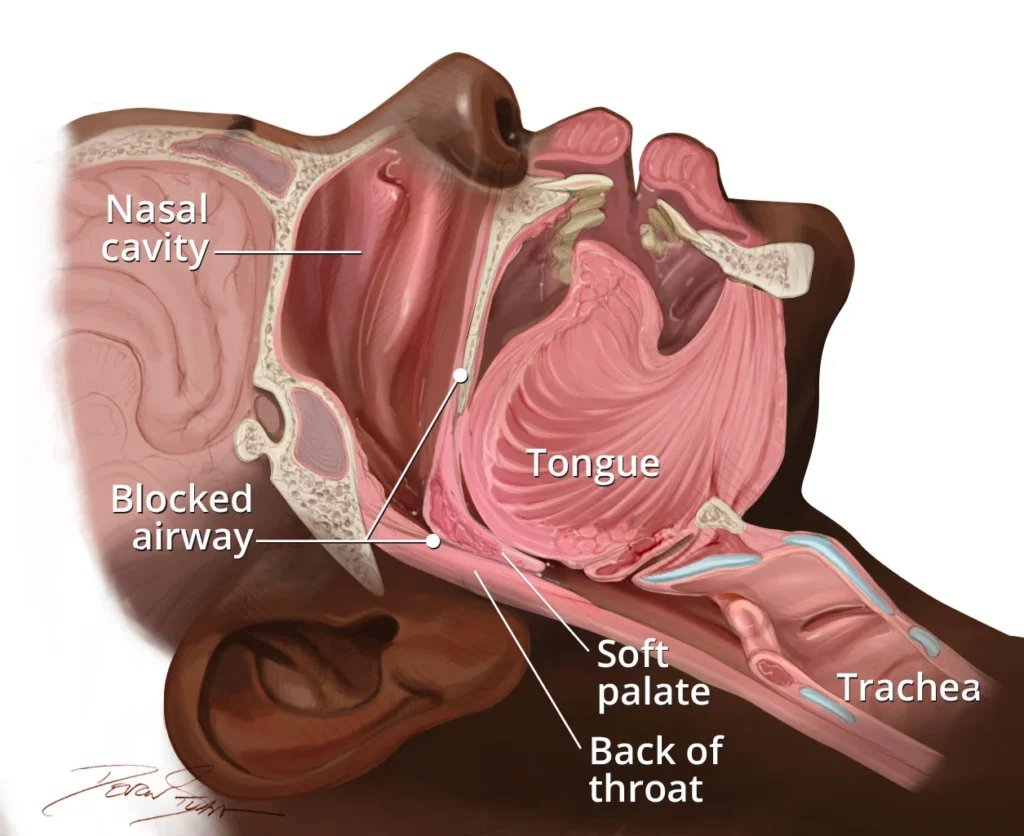
Snoring is more than noise. It often signals airflow resistance in the upper airway. That resistance can fragment sleep, even if you don’t fully wake up and remember it.
When sleep gets choppy, the day tends to follow. People report brain fog, lower patience, and that “I need another coffee” loop. Headlines lately have also linked sleep-disordered breathing with cognitive performance and mental sharpness in broad terms, which tracks with what many people feel after a bad night.
What you notice at home (and at work)
Snoring can turn bedtime into negotiation. One person wants closeness. The other wants silence. Add burnout or a busy travel week, and the tolerance level drops fast.
At work, it shows up as slower mornings and shorter fuses. If you’re already stretched thin, poor sleep quality can make everything feel heavier.
Is snoring ever a sign of something more serious?
Sometimes. Snoring can happen on its own, but it can also be associated with obstructive sleep apnea (OSA). OSA involves repeated breathing reductions or pauses during sleep.
If you want a credible overview of warning signs, this Obstructive Sleep Apnea, Cognitive Health, and Mental Performance explainer is a solid starting point.
Common red flags to take seriously
- Choking, gasping, or witnessed pauses in breathing
- Excessive daytime sleepiness (not just “a little tired”)
- Morning headaches or dry mouth that keeps happening
- High blood pressure concerns, or strong family history
Snoring plus these symptoms is a “don’t ignore it” combo. You don’t have to self-diagnose. You do want to get screened.
What are people trying right now for better sleep quality?
Sleep trends come in waves. This year it’s a mix of tracking rings, smart alarms, mouth tape chatter, and “sleep hygiene” checklists. Some of it helps. Some of it turns bedtime into a project.
The simplest wins usually aren’t flashy. They’re consistent routines, less late-night alcohol, and a bedroom setup that supports sleep. Many health outlets have also been highlighting “start tonight” type strategies. Those tips tend to focus on what you can control immediately.
Quick, low-drama moves (that don’t require new gadgets)
- Side-sleeping if you notice snoring is worse on your back
- Keeping nasal breathing comfortable (humidity, allergy management)
- Earlier wind-down so stress doesn’t follow you into bed
- Reducing late alcohol, which can worsen airway collapse for some people
None of these replace medical care for sleep apnea. They can still improve sleep quality and reduce “background” sleep disruption.
Where does an anti snoring mouthpiece fit in?
An anti snoring mouthpiece is often discussed as a practical middle ground. It’s less involved than many medical devices, and it’s more targeted than general lifestyle tweaks.
Most anti-snoring mouthpieces aim to improve airflow by changing jaw or tongue position during sleep. That can reduce the vibration that creates snoring. The key word is “can.” Fit, comfort, and the underlying cause matter.
Who tends to look for one?
- People whose snoring is loud but not accompanied by obvious apnea symptoms
- Couples who want to share a bed without nightly resentment
- Travelers who can’t control pillows, rooms, or time zones
- Anyone tired of buying one more “sleep gadget” that ends up in a drawer
If you’re comparing products, start with this collection of anti snoring mouthpiece and focus on comfort, adjustability, and realistic expectations.
How do you talk about snoring without turning it into a fight?
Snoring has a weird social script. People joke about it, then feel embarrassed, then get defensive. Meanwhile, the other person is quietly counting hours of lost sleep.
Try making it about a shared goal: better sleep quality for both of you. Use specifics (“I’m waking up at 3 a.m.”) instead of character judgments (“You always…”). Keep the tone calm, and pick a time that isn’t bedtime.
A simple script that keeps it human
- “I’m not mad. I’m just exhausted.”
- “Can we try one change this week and see if it helps?”
- “If we still feel rough, let’s look into screening for sleep apnea.”
What’s the smartest next step if you’re overwhelmed?
Don’t overhaul your life at midnight. Pick one lane:
- If there are apnea red flags: prioritize medical screening.
- If it seems like uncomplicated snoring: consider a mouthpiece, plus a couple of easy sleep-quality habits.
- If stress and burnout are driving the problem: protect a wind-down routine and reduce late-night stimulation.
Progress here is often boring. That’s good news. Boring means sustainable.
FAQs
Do anti-snoring mouthpieces stop snoring for everyone?
No. They help some people, but snoring can come from different causes. Comfort and fit also affect whether you’ll keep using one.
What’s the difference between snoring and sleep apnea?
Snoring is a sound from airflow resistance. Obstructive sleep apnea involves repeated breathing interruptions and often comes with gasping or major daytime sleepiness.
How long does it take to get used to a mouthpiece?
Many people adjust over several nights to a couple of weeks. If pain or jaw issues show up, stop and get guidance.
Can a mouthpiece improve sleep quality?
It may, if it reduces snoring and related sleep fragmentation. If you still feel unrefreshed, consider evaluation for sleep apnea.
When should I stop using a mouthpiece and get help?
Stop if you develop jaw pain, bite changes, or persistent discomfort. Seek help promptly if you have choking/gasping or severe daytime sleepiness.
Ready to get a clear answer tonight?
How do anti-snoring mouthpieces work?
Medical disclaimer: Educational content only. It is not medical advice. For persistent snoring, suspected sleep apnea, or significant daytime sleepiness, consult a qualified healthcare professional.