
- Snoring is a sleep-quality problem—for you and whoever shares the room.
- Sleep gadgets are everywhere, but the best next step is still basic screening + simple tracking.
- An anti snoring mouthpiece can help when jaw/tongue position is part of the issue.
- Safety matters: jaw pain, bite changes, and possible sleep apnea red flags need a plan.
- Document your choices so you can tell what worked, what didn’t, and what to stop.
The big picture: why snoring is trending again
Sleep has become a full-on culture topic. People compare wearables, debate “biohacks,” and swap tips for those annoying middle-of-the-night wake-ups. Add travel fatigue, daylight saving time shifts, and workplace burnout, and it’s no surprise that snoring keeps showing up in the conversation.
Snoring isn’t just a punchline. It can fragment sleep, dry out your mouth, and create tension at home. The goal isn’t “perfect sleep.” It’s fewer disruptions and better recovery.
If you’ve been scrolling through advice on waking up at odd hours, start with the basics. Here’s a helpful reference point: Stop waking up at 3 am — I asked 5 doctors for their best sleep hygiene tips and here’s what they said.
The human side: relationships, embarrassment, and the “spare pillow” era
Snoring has a social cost. Couples joke about “sleep divorce,” business travelers worry about roommates, and plenty of people feel awkward bringing it up at all. That stress can make sleep worse, which can make snoring louder. Not a great loop.
Keep it simple: treat snoring like any other health-adjacent problem. You’re not failing at sleep. You’re troubleshooting airflow and recovery.
Practical steps: a no-drama path to better nights
Step 1: do a quick snore audit (2 minutes)
Before you buy another gadget, answer these questions:
- Is snoring worse on your back?
- Is it worse after alcohol, heavy meals, or late nights?
- Do you wake with dry mouth or sore throat?
- Does a partner notice pauses, choking, or gasping?
This helps you choose a tool that matches the likely cause. It also helps you spot when you should skip DIY and get screened.
Step 2: fix the “sleep schedule tax” first
Daylight saving changes, travel, and late-night work messages can all push your body clock around. When your sleep is lighter, snoring can feel louder and more frequent.
Pick two anchors for 7 days: a consistent wake time and a wind-down routine. Keep the room cool and dark. Cut down late caffeine. These aren’t flashy, but they’re high-leverage.
Step 3: where an anti snoring mouthpiece fits
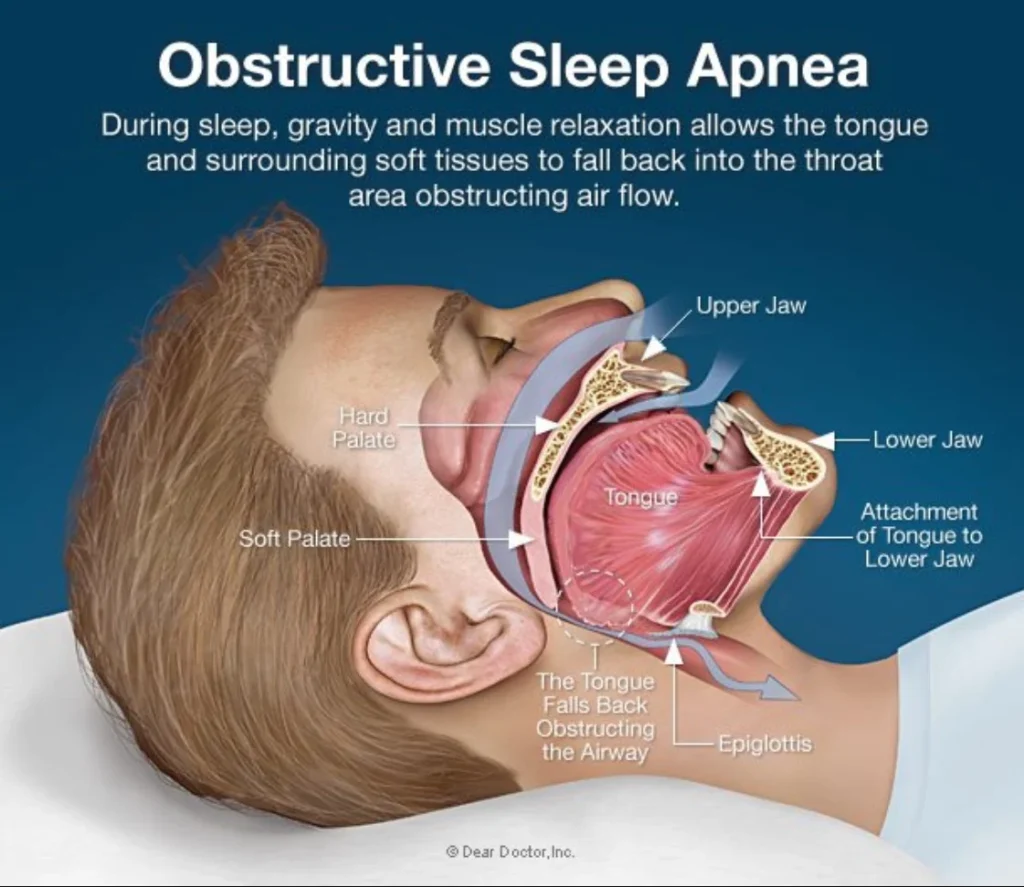
An anti snoring mouthpiece is designed to improve airflow by changing jaw or tongue position during sleep. For many snorers, that’s the point: reduce vibration by keeping the airway more open.
If your snoring is worse on your back, or you wake with dry mouth, a mouthpiece may be worth testing. If nasal congestion is your main issue, you may need to address that first.
If you want to compare options, start here: anti snoring mouthpiece.
Safety and testing: reduce risk and prove it’s working
Screen for “don’t self-treat” signals
Snoring can overlap with sleep apnea. You don’t need to panic, but you do need to screen. Talk to a clinician if you have any of the following:
- Witnessed breathing pauses
- Choking/gasping at night
- Significant daytime sleepiness
- Morning headaches
- High blood pressure or heart risk factors
Also get dental guidance if you have TMJ disorder, loose teeth, significant dental work, or ongoing jaw pain.
Be cautious with “viral” sleep hacks
Mouth taping gets a lot of attention online. Some people report benefits, but it’s not a universal fix and it can be unsafe for anyone who can’t reliably breathe through their nose. If you’re congested, have breathing problems, or feel anxious about it, skip it and talk with a clinician.
Run a 14-night test (and write it down)
Don’t rely on vibes. Use a simple log so you can defend your decision later—especially if you switch devices or talk to a dentist or sleep specialist.
- Nights 1–3: comfort notes (jaw soreness, drooling, dry mouth).
- Nights 4–10: snoring intensity (partner report or app), awakenings, morning energy.
- Nights 11–14: consistency check (same bedtime/wake time, similar alcohol/caffeine).
Stop and reassess if you notice bite changes, persistent jaw pain, or worsening sleep.
FAQ: quick answers people want right now
Is snoring just a nuisance?
It can be more than that. Even when it’s not sleep apnea, snoring can disrupt sleep quality and strain relationships.
Should I try a mouthpiece or a nasal product first?
If your snoring seems tied to jaw/tongue position, a mouthpiece may be a better test. If congestion is constant, address nasal breathing first.
What if I only snore when I’m exhausted?
That’s common with travel fatigue and burnout. Still, track it—intermittent snoring can become frequent when stress and sleep debt pile up.
CTA: make the next step simple
If you’re ready to test a mouthpiece approach, keep it measurable and safety-first. Choose one option, run a short trial, and document the outcome.
How do anti-snoring mouthpieces work?
Medical disclaimer: This article is for general education only and isn’t medical advice. Snoring can have multiple causes, including conditions that require professional evaluation. If you suspect sleep apnea, have breathing pauses, severe daytime sleepiness, chest pain, or persistent jaw/tooth pain, seek care from a qualified clinician.