
Snoring is having a moment again. Not the cute kind—more like the “someone’s on the couch” kind. And yes, the internet is still trying to turn every sleep hack into a trend.
Thesis: If you want quieter nights without risky shortcuts, start with screening and a testable plan—an anti snoring mouthpiece is often a practical first step.
Big picture: why snoring and sleep tech are everywhere
Sleep has become a status symbol. People compare rings, apps, and “sleep scores” the way they used to compare steps. Add travel fatigue, late-night scrolling, and workplace burnout, and it’s no surprise snoring solutions are trending.
Snoring also hits where it hurts: relationships. Jokes aside, chronic sleep disruption can affect mood, focus, and patience. If your sleep quality is sliding, the goal is not a perfect gadget stack. It’s a repeatable routine that reduces noise and improves rest.
The emotional side: partners, pressure, and the “quick fix” trap
Snoring can feel embarrassing. It can also turn bedtime into a negotiation—earplugs, white noise, separate rooms, or “please roll over.” When people feel desperate, they try extreme shortcuts.
That’s how trends like mouth taping get traction. It sounds simple, it looks dramatic on video, and it promises fast results. But sleep is not a place to improvise with anything that could affect breathing.
Practical steps: a simple plan before you buy (or tape) anything
1) Do a fast “why am I snoring?” reset
Snoring often gets louder with nasal congestion, alcohol close to bedtime, back sleeping, and weight changes. Travel can amplify all of it. Dry hotel air plus exhaustion is a perfect snore recipe.
Pick one variable to change for a week. Then reassess. Small changes are easier to prove (or discard) than a pile of new gadgets.
2) Choose a tool you can test and document
If you want a device-based approach, an anti snoring mouthpiece is popular because it’s straightforward to trial. Many designs aim to support airflow by positioning the lower jaw forward during sleep.
To compare options, start here: anti snoring mouthpiece. Then decide what “success” means in your house—less noise, fewer wake-ups, or better energy at 2 p.m.
3) Track outcomes like a grown-up (it takes 3 minutes)
Use a notes app and record: bedtime, alcohol late or not, sleep position, perceived sleep quality, and morning jaw comfort. If you share a bed, partner feedback is still the most honest metric.
If you use a snoring app, treat it as a trend line, not a diagnosis. The point is to see whether a change consistently helps.
Safety and screening: reduce risk before you “hack” your airway
Don’t ignore sleep apnea red flags
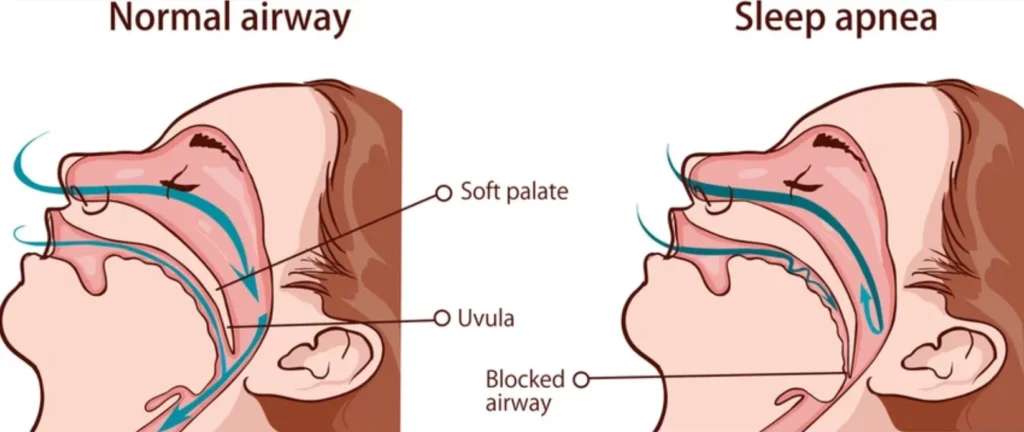
Snoring can be harmless, but it can also be a sign of sleep-disordered breathing. General medical guidance highlights symptoms such as loud snoring, choking or gasping during sleep, and daytime sleepiness as reasons to get evaluated.
If any of those sound familiar, prioritize a clinician conversation over DIY experimentation. A mouthpiece might still be part of the plan, but screening comes first.
About mouth taping: trendy doesn’t mean low-risk
Mouth taping for snoring is being discussed widely, including in mainstream health coverage. If you want a general overview of the safety questions being raised, see this: Taping your mouth shut to stop snoring is a thing — but is it safe? Experts weigh in.
Here’s the simple filter: if nasal breathing is not reliably easy all night (congestion, allergies, deviated septum, frequent reflux, anxiety), taping can create a bad situation fast. Also, if sleep apnea is possible, restricting the mouth may be especially unwise.
How to test a mouthpiece with less downside
Keep the trial controlled. Wear it for short periods first, then build up. Stop if you get sharp jaw pain, tooth pain, or lingering bite changes.
Document your choice. Save the product page, instructions, and your tracking notes. If you later talk with a dentist or sleep clinician, that record makes the conversation faster and safer.
Medical disclaimer
This article is for general education and does not provide medical advice, diagnosis, or treatment. If you have symptoms of sleep apnea or breathing problems during sleep, seek evaluation from a qualified clinician.
Next step: pick a safer path to quieter nights
If snoring is affecting your sleep, your partner’s sleep, or your daytime focus, don’t rely on viral hacks. Use a plan you can measure, adjust, and explain.