
Q: Why does snoring feel like it got louder lately—am I just more tired?
Q: Are sleep gadgets (tape, trackers, pillows) actually helping, or just trending?
Q: If I try an anti snoring mouthpiece, what should I verify so I don’t waste money or irritate my jaw?
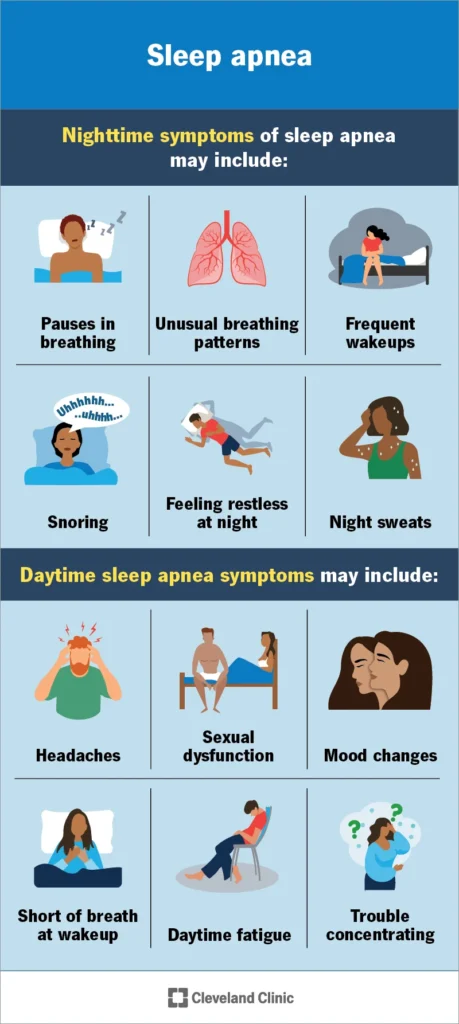
A: Snoring gets more noticeable when sleep is lighter, stress is higher, travel throws off routines, or a partner is listening closely. And yes, sleep “hacks” are having a moment. The practical move is to pick one approach, screen for safety, and document what you tried so you can adjust fast.
Overview: Why mouthpieces are in the spotlight right now
Recent coverage has put anti-snore devices back in the conversation, alongside other viral sleep trends. People are comparing mouthpieces, nasal aids, and even mouth taping, often because they’re dealing with burnout, inconsistent schedules, or travel fatigue.
Relationship humor plays a role too. Snoring is one of those “funny until it isn’t” problems. It can turn bedtime into negotiations, separate bedrooms, or a nightly nudge-and-roll routine.
Mandibular advancement devices (MAD-style mouthpieces) come up often because they’re a non-invasive option many adults can try at home. Still, you want realistic expectations and a safety-first setup. For a general look at what buyers are being told to verify, see this related coverage: SleepZee Anti-Snoring Mouthpiece Consumer Report: 2026 Analysis of Mandibular Advancement Device Research, Snoring Reduction Claims, and What Buyers Should Verify.
Timing: When it makes sense to try a mouthpiece (and when to pause)
Good time to test: You snore most nights, your partner reports it’s worse on your back, and you want a reversible option before investing in more gear. It’s also a reasonable next step if you’ve already tried basic sleep hygiene and still wake up unrefreshed.
Pause and screen first: If anyone has noticed breathing pauses, choking/gasping, or you have strong daytime sleepiness, don’t treat it like a simple “noise problem.” Those can be signs of sleep apnea and deserve medical attention.
Also pause if: You have significant TMJ pain, loose teeth, recent dental work, or gum issues. A mouthpiece changes forces on teeth and the jaw. That’s not automatically dangerous, but it should change how you choose and how you ramp up.
Supplies: What to gather before you start (so you can track results)
What you need
- A mouthpiece with clear sizing/fit instructions and a return policy
- A way to clean it (per product directions) and a ventilated case
- Notes app or paper log (2 minutes each morning)
- Optional: a simple snore recording app for before/after comparisons
What to document (reduces guesswork)
- Bedtime and wake time
- Alcohol close to bed (yes/no)
- Congestion (none/mild/strong)
- Sleep position (back/side/mixed)
- Partner rating of snoring (0–10) or “moved rooms” (yes/no)
- Jaw comfort in the morning (0–10)
Step-by-step (ICI): Identify → Check → Implement
1) Identify your likely snoring pattern
Snoring isn’t one-size-fits-all. Some people snore mostly on their back. Others notice it spikes with travel, late meals, or seasonal congestion. Your pattern helps you choose the least complicated tool first.
2) Check safety and fit before night one
- Material clarity: The listing should state what it’s made of and how to clean it.
- Adjustability: If it’s a mandibular advancement style, look for how advancement is set and whether you can change it gradually.
- Dental/TMJ reality check: If you already have jaw clicking, pain, or bite concerns, consider a dentist consult before extended use.
- Claims filter: Be cautious with “works for everyone” language. Snoring has multiple causes.
3) Implement with a slow ramp-up (your jaw will thank you)
Night 1–2: Aim for short wear time to test comfort and saliva/dryness changes. Remove it if you feel sharp pain or numbness.
Night 3–7: Increase toward full-night use if comfort stays acceptable. Keep your morning log. You’re looking for trends, not perfection.
Week 2: If the device is adjustable, make small changes only, then hold steady for a few nights. Big jumps can trigger jaw soreness and make you quit early.
If you’re comparing options, start here: anti snoring mouthpiece. Focus on fit, adjustability, and buyer protections, not hype.
Mistakes that waste money (or create new problems)
Chasing every trend at once
It’s tempting to stack a mouthpiece, a new pillow, mouth tape, a tracker, and a white-noise machine in the same week. Then you won’t know what helped. Pick one primary change for 10–14 nights.
Ignoring red flags because “it’s just snoring”
Snoring can be harmless, but it can also overlap with sleep-disordered breathing. If symptoms suggest apnea, get evaluated. A mouthpiece may still be part of the conversation, but it shouldn’t replace screening.
Over-tightening or advancing too fast
More isn’t always better. Too much advancement can cause jaw pain, tooth soreness, or bite changes. Comfort and consistency beat aggressive settings.
Skipping cleaning and storage basics
Any oral device needs routine cleaning and dry storage. That’s not just about odor. It’s also about reducing irritation and keeping the device in usable condition.
Not documenting what you tried
If you ever talk to a dentist or sleep clinician, your notes help. They also protect you from endless “maybe it’s this” loops.
FAQ: Quick answers people are searching for
Can a mouthpiece improve sleep quality?
It can if snoring is fragmenting sleep for you or your partner. Better sleep often comes from fewer awakenings and less bedroom disruption.
How fast should I expect results?
Some people notice changes quickly, but comfort and fit can take a week or two. Track outcomes over multiple nights before deciding.
Is mouth taping safer than a mouthpiece?
They’re different tools with different risks. If you have nasal blockage or possible sleep apnea, restricting mouth breathing can be unsafe. When in doubt, ask a clinician.
What if I only snore when traveling?
Travel fatigue, alcohol timing, and sleeping on your back can all make snoring worse. A mouthpiece may help, but so can side-sleep strategies and managing congestion.
CTA: Make your next step simple
If snoring is turning sleep into a nightly debate, choose one approach and test it with a short, documented trial. A well-fitted mouthpiece is a common starting point because it’s non-surgical and reversible for many adults.
How do anti-snoring mouthpieces work?
Medical disclaimer: This article is for general education and does not provide medical advice, diagnosis, or treatment. If you suspect sleep apnea, have significant daytime sleepiness, or develop jaw/tooth pain with any device, consult a qualified clinician or dentist.