
Is your snoring getting worse lately? Is your sleep quality slipping even when you’re in bed “long enough”? Are you wondering if an anti snoring mouthpiece is a smarter move than the newest viral sleep hack?
Yes, snoring is having a moment. Sleep gadgets are everywhere, social feeds are full of “fixes,” and couples are joking (and not joking) about separate bedrooms. But your goal is simple: quieter nights and better rest without burning a paycheck on trial-and-error.
What’s trending right now (and why it’s tempting)
Sleep is being treated like a performance metric. People track scores, stack supplements, buy new pillows, and test devices that promise quick results. Add travel fatigue, late-night scrolling, and workplace burnout, and it’s no surprise snoring fixes are getting attention.
One trend that keeps popping up is mouth taping. It’s often framed as a “simple” way to force nose breathing and reduce snoring. The reality is more complicated, especially if you don’t breathe well through your nose.
If you want a quick read on that conversation, see this coverage on Taping your mouth shut to stop snoring is a thing — but is it safe? Experts weigh in.
What matters medically (the no-drama version)
Snoring happens when airflow gets turbulent and soft tissues vibrate. That can come from nasal congestion, relaxed throat muscles, sleeping on your back, alcohol close to bedtime, or jaw/tongue position.
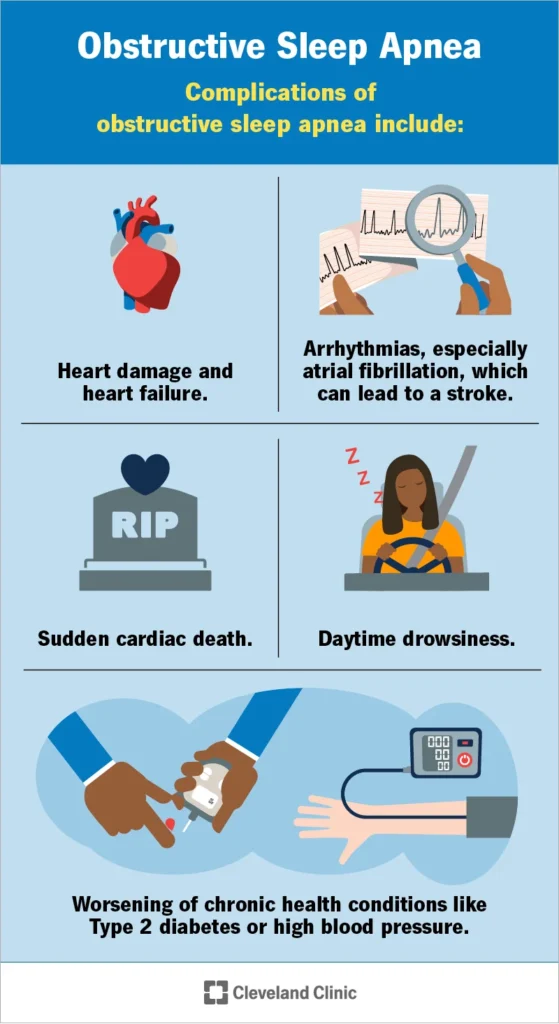
Here’s the key budget point: snoring is sometimes just snoring, and sometimes it’s a warning sign. If it’s linked to obstructive sleep apnea (OSA), a DIY fix may not be enough and can delay proper care.
Snoring vs. “this might be sleep apnea”
Snoring alone doesn’t confirm apnea. But snoring plus any of these should move you into “get checked” territory:
- Gasping, choking, or witnessed breathing pauses
- Morning headaches or dry mouth most days
- Significant daytime sleepiness (not just a rough week)
- High blood pressure or heart risk factors
- Falling asleep easily while sitting still (meetings, driving, TV)
Where an anti snoring mouthpiece fits
An anti snoring mouthpiece is typically designed to support the jaw and/or tongue so your airway stays more open. The most common style gently positions the lower jaw forward. That can reduce vibration and noise for certain snoring patterns, especially when back-sleeping makes things worse.
It’s not a magic wand. Comfort, fit, and consistency matter. So does picking the right approach for the cause of your snoring.
How to try at home (without wasting a cycle)
If you want a practical plan, start with the lowest-cost, highest-signal steps. Give each step a short trial so you can tell what actually helped.
Step 1: Run a 7-night “snore audit”
Keep it simple. Note three things each morning: (1) how you feel, (2) whether a partner noticed snoring, and (3) what changed (alcohol, congestion, late meal, travel, back-sleeping). This stops you from buying five gadgets based on one bad night.
Step 2: Fix the easy amplifiers
- Side-sleep support: A body pillow or backpack-style positional trick can reduce back-sleeping.
- Nasal comfort: If you’re congested, address that first. Mouth taping is a bad match when nasal airflow is limited.
- Timing: Alcohol close to bedtime can worsen snoring for many people.
- Bedroom basics: Cooler room, consistent wake time, and less late-night screen time can improve sleep depth, which affects how “wrecked” you feel.
Step 3: Consider a mouthpiece if jaw position seems involved
If your snoring is louder on your back, worse after deep sleep kicks in, or your partner says it sounds “throaty,” a mouthpiece may be worth a test. Look for a design intended for snoring (not just sports protection), and expect a short adjustment period.
If you want an option that pairs jaw support with extra stabilization, see this anti snoring mouthpiece.
Step 4: Watch for deal-breakers
Stop and reassess if you develop jaw pain that doesn’t fade, tooth pain, or bite changes. Mild soreness early on can happen, but persistent discomfort is a sign the fit or approach isn’t right for you.
When to seek help (so you don’t miss the real problem)
Get professional evaluation if snoring comes with choking/gasping, witnessed pauses, or heavy daytime sleepiness. Also consider it if you have persistent high blood pressure, you wake up unrefreshed most days, or your snoring escalated quickly without an obvious trigger.
A clinician can screen for sleep apnea and discuss appropriate options. That might include a custom oral appliance, CPAP, or other therapies depending on the cause.
FAQ
Is it normal to snore more when I’m stressed or burned out?
It can happen. Stress can disrupt sleep depth and routines, and people often drink more alcohol, snack later, or sleep on their back when exhausted. Those shifts can amplify snoring.
Can I combine an anti-snoring mouthpiece with other sleep tools?
Often, yes. Many people pair a mouthpiece with side-sleep support and better nasal comfort. Just avoid stacking multiple new changes in one night if you want clear feedback.
Will a mouthpiece fix my sleep quality automatically?
Not automatically. It can reduce snoring for some people, which may improve sleep continuity. Sleep quality also depends on schedule, light exposure, caffeine timing, and untreated sleep disorders.
CTA: Make the next step simple
If your goal is fewer wake-ups (for you and your partner) and a calmer morning, start with the audit and pick one change to test. If a mouthpiece is your next move, choose a purpose-built option and track results for two weeks.
How do anti-snoring mouthpieces work?
Medical disclaimer: This article is for general education and is not medical advice. Snoring can be a sign of obstructive sleep apnea or other health conditions. If you have choking/gasping, witnessed breathing pauses, severe daytime sleepiness, or persistent symptoms, seek evaluation from a qualified clinician.