
Snoring is having a moment again. Between sleep trackers, “biohacking” reels, and travel fatigue, people are chasing quieter nights like it’s a new productivity tool.
And yes—relationship jokes are part of it. Nobody wants to be the reason the other person is scrolling at 2 a.m.
Thesis: If you’re considering an anti snoring mouthpiece, focus on safety, fit, and screening—not hype.
What people are talking about right now (and why)
Recent coverage has put anti-snore devices back in the spotlight. You’ll see roundups of “best” gadgets, quick habit tips, and deep dives into what buyers should verify before trusting big claims.
That mix makes sense. Workplace burnout is real, and sleep has become the “one lever” people feel they can still pull. Add red-eye flights, hotel pillows, and irregular schedules, and snoring can spike at the worst times.
The trend cycle in one sentence
People want a simple fix, but snoring has multiple causes—so the “right” tool depends on what’s actually happening during sleep.
If you want a general overview of what buyers are being told to check, see this related coverage: SleepZee Anti-Snoring Mouthpiece Consumer Report: 2026 Analysis of Mandibular Advancement Device Research, Snoring Reduction Claims, and What Buyers Should Verify.
What matters for sleep health (the non-negotiables)
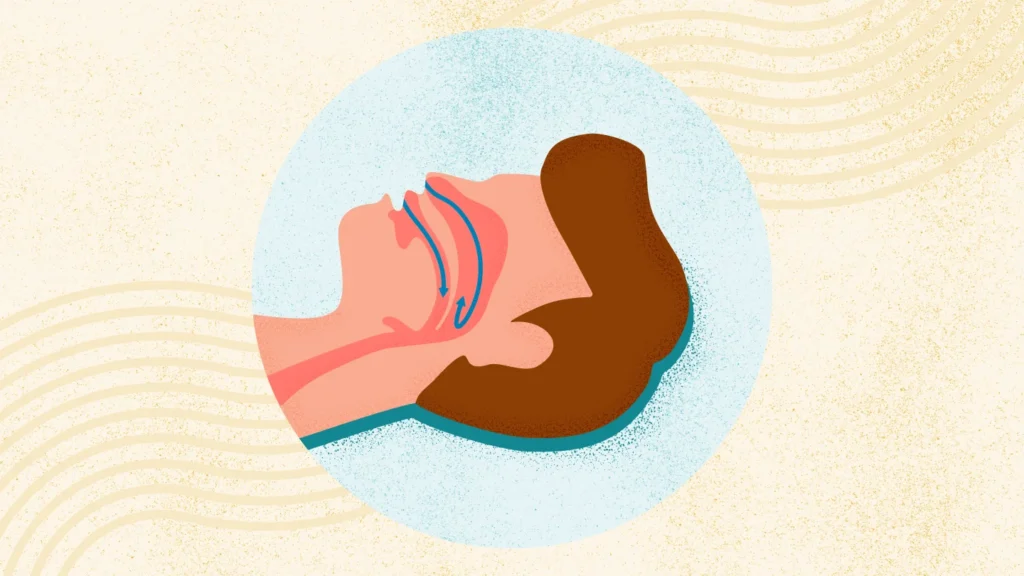
Snoring is sound from vibration in the upper airway. It often gets worse when tissues relax, when you sleep on your back, or when airflow is restricted.
Here’s the key point: snoring can be “just snoring,” but it can also show up alongside obstructive sleep apnea. Sleep apnea is a medical condition that needs proper evaluation.
Red flags you should not ignore
- Choking, gasping, or witnessed breathing pauses
- Morning headaches, dry mouth, or sore throat most days
- Excessive daytime sleepiness, dozing while driving, or brain fog
- High blood pressure or heart risk factors (especially with loud snoring)
Where an anti snoring mouthpiece fits
Many anti-snore mouthpieces are designed to gently position the lower jaw forward during sleep. That can help keep the airway more open for some people.
Fit and comfort matter. So does jaw health. If a device causes sharp pain, tooth pain, or ongoing bite changes, that’s not “normal adjustment.”
What you can try at home this week (low-drama, higher signal)
You don’t need a lab to start learning what affects your snoring. You do need a simple plan and a way to track results.
Step 1: Do a 3-night baseline
Record snoring (many phone apps can do this) and note alcohol, late meals, congestion, and sleep position. Keep it simple. You’re looking for patterns, not perfection.
Step 2: Try the “position + nose” combo
- Side-sleeping support (pillow placement or a backpack-style trick)
- Address nasal stuffiness with gentle, non-medicated options like saline rinse (if appropriate for you)
- Keep the bedroom cool and reduce dry air if it irritates your nose
Step 3: If you choose a mouthpiece, document your decision
Before you buy, write down: your main goal (noise reduction vs. better rest), your red flags (if any), and what “success” looks like (for example, fewer awakenings and fewer complaints).
Then verify the basics: materials, cleaning instructions, fit method, return policy, and clear warnings about jaw discomfort and sleep apnea symptoms.
If you’re comparing options, you can review an anti snoring mouthpiece and see whether a combo approach matches your needs (some people want added support for mouth opening).
When it’s time to get help (and what to ask)
If snoring is loud, persistent, or paired with daytime sleepiness, don’t treat it like a joke or a “relationship tax.” Ask about screening for sleep apnea.
Bring data if you have it. A short log of symptoms and a few nights of recordings can speed up the conversation.
Questions worth asking a clinician or dentist
- Do my symptoms suggest sleep apnea or another sleep disorder?
- Is a mandibular advancement device appropriate for my jaw and teeth?
- What side effects should make me stop using a device?
- How should I clean it to reduce irritation and infection risk?
FAQ: quick answers for real life
Will a mouthpiece fix my sleep quality?
It can help if snoring is disrupting sleep for you or your partner. Sleep quality also depends on schedule, stress, caffeine/alcohol timing, and underlying conditions.
Can I use a mouthpiece if I have TMJ issues?
Be cautious. Jaw conditions can worsen with poorly fitted devices. Consider professional guidance if you have jaw clicking, locking, or chronic pain.
What if my snoring is worse when I travel?
Travel often changes sleep position, hydration, and congestion. Start with position support and nasal comfort, then reassess once you’re back to routine.
CTA: get a clearer answer, not just a quieter night
If you’re ready to explore options, start with safety checks and a simple tracking plan. Better sleep is the goal, and quiet is just one part of it.
How do anti-snoring mouthpieces work?
Medical disclaimer: This article is for general education only and is not medical advice. Snoring can be a sign of obstructive sleep apnea or other health issues. If you have choking/gasping, breathing pauses, severe daytime sleepiness, chest pain, or other concerning symptoms, seek evaluation from a qualified clinician.