
On the last night of a work trip, “Sam” crashed into a hotel bed at 11:47 p.m. The room was quiet, the blackout curtains were perfect, and the wearable sleep tracker promised “readiness.” Then the familiar sound started: snoring loud enough to wake him up mid-dream.
The next morning he joked about it on a team call, but the truth landed harder. He felt foggy, irritable, and oddly sore in the jaw. If that sounds familiar, you’re not alone. Snoring and sleep quality are having a moment, and so are the gadgets people try to fix them.
What people are talking about right now (and why)
Sleep is trending like a productivity tool. People swap tips about smart rings, white-noise machines, nasal strips, and “biohacks” they saw on social media. Relationship humor is part of it too: one person snores, the other threatens a “sleep divorce,” and everyone laughs because it’s uncomfortably real.
At the same time, the conversation is getting more serious. Headlines about obstructive sleep apnea and common misconceptions keep popping up. Weight changes, stress, and burnout also enter the chat, because they can affect sleep patterns and breathing at night.
There’s also curiosity about mouth taping. Some people hope it forces nasal breathing. Others worry it’s a shortcut that ignores the bigger issue: airway health. If you snore, it’s smart to treat trends as ideas to evaluate, not instructions to follow blindly.
What matters medically: snoring vs. possible sleep apnea
Snoring usually happens when airflow causes soft tissues in the throat to vibrate. It can show up more with back sleeping, alcohol near bedtime, nasal congestion, or simple anatomy.
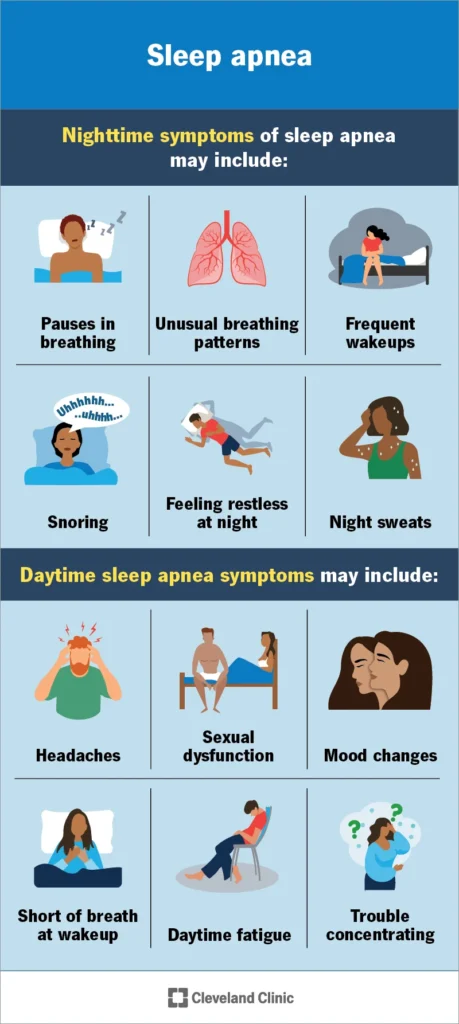
Obstructive sleep apnea is different. It involves repeated airway narrowing or collapse during sleep. That can fragment sleep and strain the body over time. If you want a quick overview of red flags, review How Weight Loss Can Help Your Sleep Apnea and compare them to what you’re experiencing.
One more practical note: weight can influence airway size and sleep breathing for some people. That doesn’t mean snoring is “your fault,” and it doesn’t mean weight loss is the only lever. It’s just one factor that shows up often in clinical discussions.
What you can try at home (without wasting a cycle)
If your goal is better sleep quality on a budget, start with steps you can test quickly and measure. Run each change for a few nights, not one night, because sleep varies.
Step 1: Do a 3-night snore + sleep log
Write down: bedtime, alcohol, congestion, sleep position, and how you felt in the morning. Add a simple note from a partner if you have one: “quiet / some snoring / loud.” This keeps you from buying five gadgets based on one bad night.
Step 2: Tidy up the easy triggers
- Side-sleeping: Many people snore more on their back. A body pillow can help you stay positioned.
- Nasal airflow: If you’re stuffed up, address congestion first (saline rinse, humidifier, allergy plan you already use).
- Alcohol timing: Even modest amounts can worsen snoring for some people when it’s close to bedtime.
Step 3: Consider an anti snoring mouthpiece
An anti snoring mouthpiece is popular because it’s a one-time purchase compared with ongoing subscriptions and app ecosystems. Many designs work by gently positioning the lower jaw forward to help keep the airway more open during sleep.
For shoppers comparing options, start with a clear goal: reduce snoring volume and improve how rested you feel. Look for comfort, adjustability, and a return policy if possible. If you want a starting point for browsing, see anti snoring mouthpiece.
Reality check: Mouthpieces are not a cure-all. They tend to help certain snoring patterns more than others, and fit makes or breaks the experience.
Step 4: Skip risky “hacks” if you have doubts
Mouth taping gets attention because it sounds simple. But if you have nasal blockage, anxiety about breathing, or possible sleep apnea symptoms, it can be a bad experiment. When in doubt, choose safer, reversible steps first.
When it’s time to seek help (don’t power through)
Talk to a clinician if any of these show up:
- Loud snoring plus choking/gasping or witnessed pauses in breathing
- Morning headaches, high daytime sleepiness, or dozing off easily
- High blood pressure or heart risk factors alongside poor sleep
- Snoring that persists despite basic changes and a solid trial of an oral device
A proper evaluation can rule in or out obstructive sleep apnea and guide treatment options. That might include a custom dental appliance or other therapies based on your needs.
FAQ: quick answers people want before buying anything
Will a mouthpiece help travel fatigue snoring?
It can, especially if travel pushes you into back sleeping or irregular routines. Still, dehydration, alcohol, and congestion on trips can also drive snoring, so combine approaches.
Can I use an anti-snoring mouthpiece if I grind my teeth?
Sometimes, but it depends on the device and your jaw comfort. If you have jaw pain, tooth movement concerns, or dental work, check with a dentist before committing.
Do sleep trackers diagnose sleep apnea?
No. Trackers can hint at patterns (like restless sleep), but they don’t replace medical testing.
CTA: get a clear, practical next step
If your plan is “spend once, test fast, and see if mornings improve,” an anti-snoring mouthpiece is one of the more practical tools to evaluate.
How do anti-snoring mouthpieces work?
Medical disclaimer: This article is for general education and is not medical advice. Snoring can be harmless, but it can also be a sign of obstructive sleep apnea or other health issues. If you have breathing pauses, choking/gasping, significant daytime sleepiness, chest pain, or worsening symptoms, seek medical care.