
- Snoring is having a moment because sleep tech, burnout talk, and “sleep hacks” are everywhere.
- Sleep quality is the real target. Quiet nights are great, but refreshed mornings matter more.
- An anti snoring mouthpiece can be a practical step if you want an at-home option before buying a drawer full of gadgets.
- Not all snoring is equal. Some patterns point to bigger health risks and deserve a professional look.
- Budget wins come from a simple process: spot your pattern, pick one change, track results, then adjust.
Why is snoring suddenly a “big topic” again?
Snoring never really went away. What changed is the culture around sleep. People are comparing wearables, chasing viral routines, and joking about “relationship sleep divorces” when one partner sounds like a leaf blower.
Add travel fatigue, late-night scrolling, and workplace burnout, and you get more tired people trying to optimize rest fast. That’s why mouthpieces, nasal gadgets, and bedtime rules keep trending.
Is snoring just annoying, or can it signal a real problem?
Sometimes it’s just noise. Other times, snoring shows up with symptoms that should not be brushed off. If you hear choking or gasping, see long breathing pauses, or feel unusually sleepy during the day, it’s worth getting evaluated.
Medical sources often connect sleep-disordered breathing with broader health concerns, including heart-related risks. If you want a quick overview of what dental sleep therapy conversations are circling right now, see January JADA outlines emerging dental therapies for obstructive sleep apnea.
What’s the cheapest way to improve sleep quality before buying gear?
If you’re trying to avoid wasted spending, start with the basics you can test in a week. Trends like “countdown” sleep routines are popular because they create a clear off-ramp from stimulation.
Try a simple reset: pick one bedtime, reduce late caffeine, and stop doom-scrolling in bed. Keep it boring on purpose. You’re looking for a measurable change in morning energy, not a perfect sleep score.
What exactly is an anti snoring mouthpiece supposed to do?
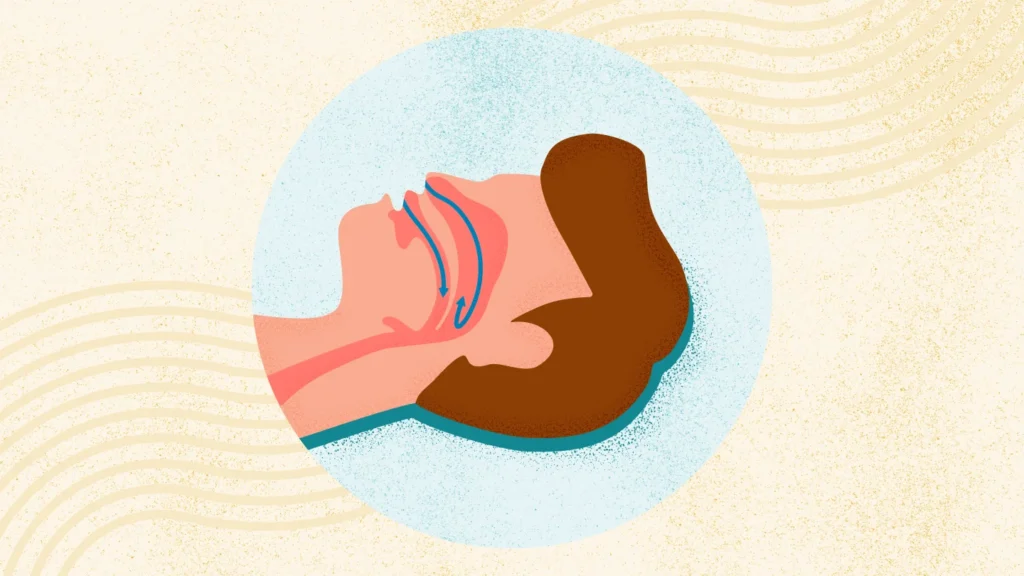
Most anti-snoring mouthpieces aim to reduce airway blockage by changing how your jaw, tongue, or mouth rests during sleep. The goal is fewer vibrations in the soft tissues that create the snore sound.
Think of it like changing the “shape of the tunnel” so air moves with less turbulence. It’s not a magic mute button. Fit, comfort, and the reason you snore all affect results.
How do I know if a mouthpiece is a smart buy for my situation?
Start with your snoring pattern
Mostly on your back? A mouthpiece may help, but you might also benefit from side-sleeping strategies. Mostly after alcohol or big meals late? Your best ROI may come from timing changes.
Dry mouth and open-mouth sleeping? A combo approach that supports mouth closure can be worth considering.
Watch for “don’t DIY this” clues
Skip the home-experiment mindset if you have suspected sleep apnea symptoms, significant jaw issues, or ongoing breathing pauses. In those cases, you want a clinician involved.
Don’t get distracted by gadget overload
It’s easy to buy three devices when you’re tired and annoyed. Choose one primary intervention for two weeks. Track snoring volume (partner feedback counts), morning headaches, and daytime alertness.
What should I look for in a mouthpiece if I’m trying not to waste money?
Focus on practicality: comfort, materials, and whether the design matches your likely snoring trigger. If you suspect open-mouth sleeping, consider a paired solution.
If you want a product option to compare, here’s a related search-style link: anti snoring mouthpiece.
What’s a realistic expectation for results?
Many people are chasing “silent sleep.” A better target is “less disruption.” If your snoring drops from nightly to occasional, and you wake up less, that’s a win.
Also be honest about comfort. A mouthpiece that lives in a nightstand doesn’t help anyone. The best option is the one you can use consistently.
Common questions (quick answers)
- Will this fix my sleep quality? It can help if snoring is fragmenting sleep, but sleep quality also depends on schedule, stress, and habits.
- Is it okay to combine approaches? Often, yes. Just change one thing at a time so you know what worked.
- Should my partner be involved? Definitely. They’re your best “snore monitor,” and it lowers the relationship friction.
FAQs
Can an anti snoring mouthpiece help right away?
Some people notice quieter nights quickly, but comfort and fit can take several nights to dial in. Consistency matters more than a single “perfect” night.
Is loud snoring always sleep apnea?
No. Snoring can happen without sleep apnea, but loud, frequent snoring plus choking/gasping, morning headaches, or daytime sleepiness should be evaluated.
What’s the difference between a mouthpiece and CPAP?
CPAP uses air pressure to keep the airway open and is commonly prescribed for sleep apnea. Mouthpieces aim to reduce airway collapse by repositioning the jaw or stabilizing the mouth.
Do mouthpieces work better than nasal strips?
They address different issues. Strips target nasal airflow, while mouthpieces target mouth/jaw position and airway space. Some people use both, but you should prioritize comfort and safety.
When should I stop using a mouthpiece and get help?
If you have jaw pain, tooth pain, worsening snoring, ongoing choking/gasping, or severe daytime sleepiness, stop and talk with a dentist or clinician.
Next step: get an answer fast
If you’re trying to improve sleep at home without overbuying, start with one change and give it two weeks. If you want to understand the basics before you choose, use the button below.
How do anti-snoring mouthpieces work?
Medical disclaimer: This article is for general education only and is not medical advice. Snoring can have multiple causes. If you suspect sleep apnea or have significant daytime sleepiness, choking/gasping at night, or other concerning symptoms, seek evaluation from a qualified clinician or dentist.