
- Snoring is trending because sleep quality is trending—burnout, travel fatigue, and wearable scores keep it in your face.
- An anti snoring mouthpiece can help some people, but it’s not a substitute for screening if apnea is possible.
- Comfort and fit are the whole game. A “works for everyone” claim should make you skeptical.
- Jaw pain, tooth pressure, or bite changes are not “normal to push through.” They’re signals to adjust or stop.
- Document what you try. It reduces risk, speeds decisions, and helps if you escalate to clinical care.
Why is snoring suddenly everyone’s problem?
Because modern life keeps daring you to sleep well while doing everything that ruins sleep. Late-night scrolling, early flights, hotel pillows, and stress from always-on work all stack up. Then a sleep gadget gives you a score, and you start treating bedtime like a performance review.
Snoring also has a social cost. It’s relationship humor until it isn’t—one person jokes, the other moves to the couch, and everyone’s sleep quality drops. That’s when people start searching for faster fixes.
Is snoring just annoying, or could it be a health signal?
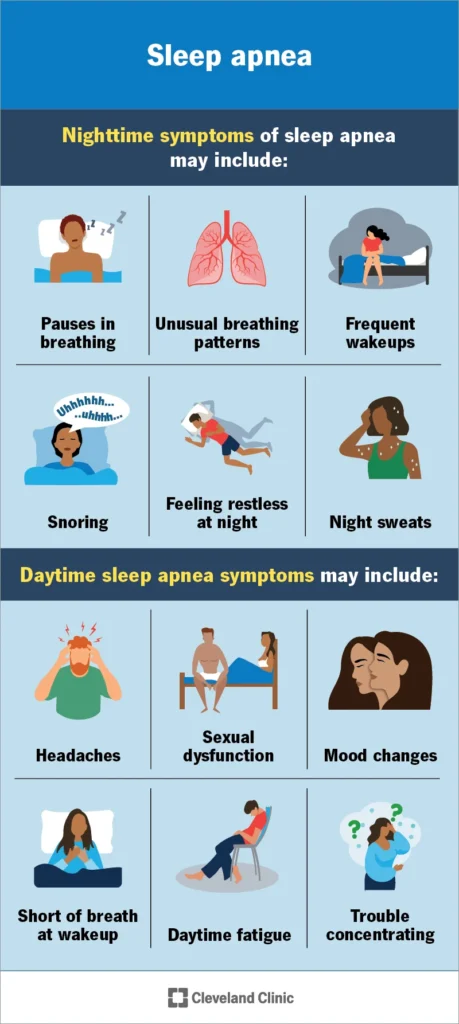
Snoring can be harmless. It can also show up alongside sleep-disordered breathing, including obstructive sleep apnea. Recent health coverage has pushed a simple idea: some warning signs are easy to miss if you only focus on the noise.
If you want a general overview of what people often overlook, see this related read: 5 Signs Of Sleep Apnea That Most People Miss.
Screening matters if you have loud habitual snoring plus daytime sleepiness, witnessed breathing pauses, choking/gasping, or morning headaches. Don’t self-diagnose. Do treat those signals as a reason to talk with a clinician.
What’s actually causing the snoring sound?
Snoring usually happens when airflow meets resistance and soft tissues vibrate. That resistance can increase with nasal congestion, sleep position, alcohol, sedatives, weight changes, or simple anatomy.
You may also see a parallel trend in breathing advice in the media—people are paying attention to nasal breathing, mouth breathing, and “breathing mechanics.” Keep it practical: if you can’t breathe well through your nose at night, it’s harder to keep your mouth closed, and snoring can get louder.
So… do anti-snoring mouthpieces work?
They can help, especially for snoring that improves when the lower jaw is gently brought forward or when the tongue is kept from collapsing backward. Not everyone responds, and the best outcomes usually come from a mouthpiece that fits well and is used consistently.
Two common categories:
- Mandibular advancement devices (MADs): hold the lower jaw slightly forward to open the airway.
- Tongue-retaining devices (TRDs): stabilize the tongue position with suction.
If you’re comparing options, start with a straightforward list and then narrow based on comfort and safety. Here’s a place to explore anti snoring mouthpiece.
How do you choose a mouthpiece without guessing (or hurting your jaw)?
Use a risk-first checklist. It’s faster than buying three gadgets and hoping one sticks.
1) Start with contraindications (the “don’t force it” list)
- Ongoing jaw pain, TMJ flare-ups, or jaw locking.
- Loose teeth, untreated dental issues, or significant gum disease.
- Severe nasal obstruction that prevents comfortable nasal breathing.
- High suspicion of sleep apnea without screening.
If any of these apply, pause and ask a clinician or dentist what’s appropriate. That’s not caution for caution’s sake; it’s how you avoid turning a sleep fix into a dental problem.
2) Pick the simplest feature set that you’ll actually use
Adjustability can help, but more parts can also mean more bulk. If you travel often, consider what you can clean easily in a hotel bathroom. If you already feel “gadget fatigue,” avoid anything that requires constant tinkering.
3) Make fit and comfort non-negotiable
Pressure on a single tooth, gum pinching, or sharp edges are reasons to stop and refit. Mild soreness during early adaptation can happen, but persistent pain is a red flag.
4) Reduce infection and hygiene risk
- Wash hands before handling the device.
- Clean it daily per manufacturer instructions.
- Let it dry fully and store it in a ventilated case.
- Replace it when it shows wear, cracks, or persistent odor.
This is the unsexy part of sleep health, but it matters. A mouthpiece sits in a warm, moist environment. Treat it like a toothbrush, not a phone charger.
What should you track to know if it’s helping?
Don’t rely on a single “great night.” Track a week or two. Keep it simple:
- Snoring impact: partner feedback, or a basic snore recording app.
- Morning feel: headaches, dry mouth, sore throat.
- Daytime function: sleepiness, focus, mood stability (burnout makes this harder to judge, so write it down).
- Side effects: jaw soreness, tooth pressure, bite changes.
This documentation protects you. It also makes the next step obvious: continue, adjust, switch types, or escalate to a clinician.
When should you skip DIY and get screened?
Don’t wait months if the pattern is strong. Get screened if you have any combination of loud nightly snoring, witnessed breathing pauses, gasping, significant daytime sleepiness, or cardiovascular risk factors discussed with your doctor.
Snoring is sometimes just noise. Sometimes it’s the tip of a bigger sleep health issue. Treat that uncertainty as a reason to check, not a reason to ignore it.
FAQ
Can an anti snoring mouthpiece replace CPAP?
Not automatically. Some people use oral devices under clinical guidance, especially for certain severities or preferences. If apnea is suspected or diagnosed, follow a clinician’s plan.
Is it normal to drool at first?
It can happen during the adjustment period. If drooling persists or you can’t keep the device in, the fit may be off.
What if my partner says the snoring changed but didn’t disappear?
That can still be a win if sleep quality improves. You can also reassess fit, sleep position, alcohol timing, and nasal congestion.
Ready to make a calmer, safer choice?
If you want a practical starting point, review mouthpiece options and choose based on fit, comfort, and your personal risk factors.
How do anti-snoring mouthpieces work?
Medical disclaimer: This article is for general education only and is not medical advice. Snoring can have many causes, including conditions that require professional evaluation. If you suspect sleep apnea or have severe symptoms, talk with a qualified clinician.