
- Format often matters more than brand. A mouthpiece and a nose strip solve different problems.
- Snoring is a sleep-quality issue, not just a noise issue. It can affect mood, focus, and relationships.
- Start with a simple test plan. Track what changes, not what you hope changes.
- Safety is part of “sleep health.” Screen for apnea signs and reduce hygiene risks.
- Pick the least complicated option that fits your pattern. Then reassess in 1–2 weeks.
The big picture: why snoring is suddenly everywhere again
Snoring keeps showing up in conversations for the same reason sleep gadgets keep trending: people are tired, stressed, and trying to fix nights that feel broken. Add travel fatigue, late-night scrolling, and workplace burnout, and you get a perfect storm. Even “funny” relationship jokes about snoring usually land because the sleep loss is real.
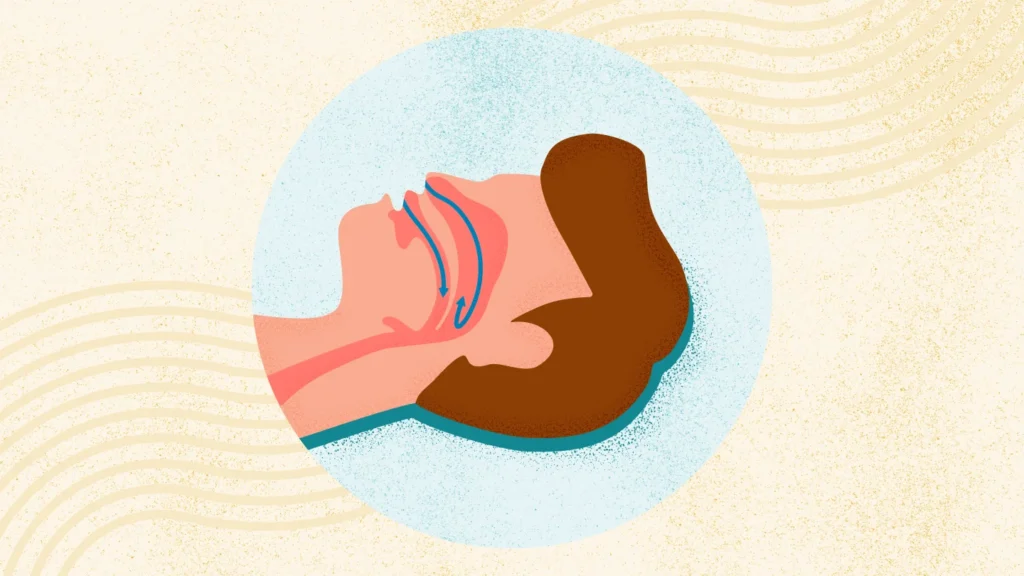
Recent consumer-style coverage has also pushed a practical point: the type of product you choose may matter more than the logo on the box. That’s especially true when comparing mouthpieces to nose strips, because they work in different ways.
If you want a high-level reference point on the mouthpiece vs strip discussion, see this Anti-Snoring Mouthpiece vs Nose Strips: Consumer Analysis Explains Why Product Format May Matter More Than Brand.
The emotional layer: the “snore tax” on relationships and mornings
Snoring rarely stays private. It spills into the next day as irritability, brain fog, and that low-grade resentment that starts with, “Did you hear yourself?” and ends with someone moving to the couch.
People also feel pressure to buy the newest sleep gadget, like sleep is a tech problem that needs one more device. Sometimes it helps. Often it just adds friction and more things to clean, charge, and troubleshoot at 1 a.m.
A calmer approach works better: pick one intervention, test it, and measure the outcome. You’re not trying to win the internet’s sleep trend of the week. You’re trying to protect your sleep quality.
Practical steps: choose your tool based on your snoring pattern
Step 1: Decide whether you’re dealing with nose airflow or throat collapse
Nose strips are typically aimed at improving nasal airflow. They may be a better fit if you feel congested at night or notice mouth breathing when your nose is blocked.
An anti snoring mouthpiece (often a mandibular advancement-style device) is generally designed to position the lower jaw forward to help keep the airway more open. That can be relevant when snoring comes from airway narrowing in the throat.
Not sure which bucket you’re in? Use a simple observation test for a week: do you wake with a dry mouth, do you switch positions a lot, and does snoring spike after alcohol or when you’re overtired?
Step 2: Build a two-week “proof plan” (not a vibe check)
Pick one primary change and keep everything else stable. If you change five things at once, you’ll never know what worked.
- Night 1–3: Focus on comfort and fit. Expect some adjustment.
- Night 4–10: Track snoring reports from a partner or a simple recording app. Note morning energy.
- Night 11–14: Decide: continue, tweak, or switch formats.
Also address the obvious sleep-quality thieves. Recent sleep-hygiene chatter has highlighted how endless scrolling can quietly steal hours. Set a hard stop time for screens. Put the phone across the room if you need to.
Step 3: If you’re shopping, compare designs and support
Look for clear instructions, cleaning guidance, and materials you can tolerate. Comfort matters because an unused product fixes nothing.
If you want to browse a dedicated category, here are anti snoring mouthpiece to compare by style and use case.
Safety and screening: reduce risk while you experiment
Don’t ignore apnea warning signs
Snoring can be harmless, but it can also overlap with obstructive sleep apnea in some people. Consider getting evaluated if you have loud snoring plus choking/gasping, witnessed breathing pauses, significant daytime sleepiness, or morning headaches. If you’re unsure, err on the side of a check-in with a clinician.
Hygiene and infection-risk basics (easy wins)
Mouth devices sit in a warm, moist environment. That’s a reason to be strict about cleaning and storage.
- Wash hands before handling the device.
- Rinse and clean after each use, then let it fully air-dry.
- Store it in a ventilated case, not a sealed wet container.
- Replace it if it cracks, warps, or develops persistent odor.
Document your choice (yes, really)
If you share a home, document what you’re testing and why. It prevents “we tried everything” arguments when you actually tried three random nights. Keep a short note: product type, start date, comfort rating, partner report, and morning energy score.
Medical disclaimer: This article is for general information only and isn’t medical advice. Snoring can have many causes, and some require professional evaluation. If you suspect sleep apnea or have concerning symptoms, talk with a qualified clinician.
Quick FAQ
Do mouthpieces help with sleep quality or just reduce noise?
They can help sleep quality if snoring is fragmenting sleep for you or a partner. The goal is fewer disruptions, not just a quieter room.
What if my snoring is worse when I travel?
Travel fatigue, alcohol timing, and unfamiliar pillows can all change your airway behavior. Stick to one simple setup, and avoid adding multiple new gadgets on the same trip.
Can I combine a nose strip and a mouthpiece?
Some people do, especially if they have both nasal congestion and throat-based snoring. If you combine tools, introduce one at a time so you can tell what’s helping.
CTA: make one smart move tonight
If your next step is understanding the mechanism and whether it matches your snoring pattern, start here: