
On the third night of a work trip, an exhausted couple finally fell asleep—until the snoring started. One person stared at the ceiling. The other joked, half-awake, that they needed a “sleep gadget intervention.” By morning, both felt wrecked: foggy focus, shorter tempers, and that weird travel-fatigue headache.
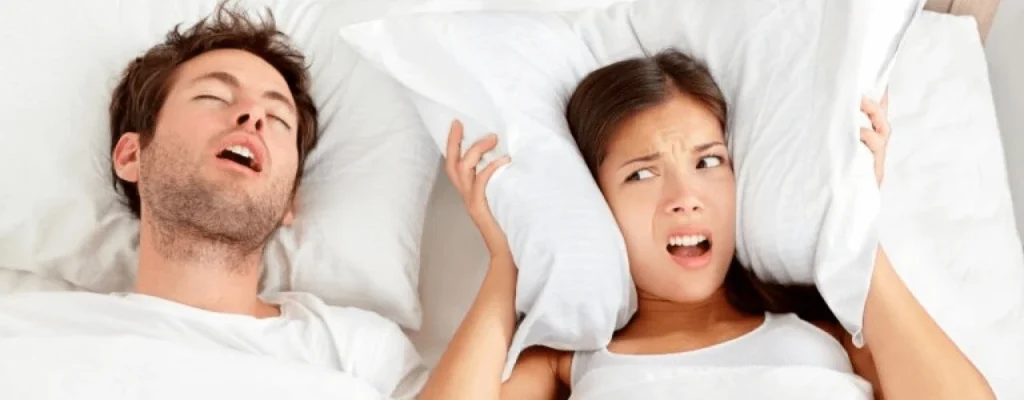
That scene is everywhere right now. People are chasing better sleep with wearables, apps, viral hacks, and new routines. Snoring keeps showing up in the conversation because it hits two targets at once: sleep quality and relationship peace.
Overview: Why snoring is having a moment
Snoring isn’t just “noise.” It often signals airflow turbulence as you breathe during sleep. That disruption can fragment sleep for the snorer, the partner, or both.
At the same time, the internet is buzzing about quick fixes. Mouth taping trends have raised safety questions. Health headlines also keep pointing people back to basics: possible sleep apnea, and the idea that underlying health factors may matter too.
If you’re considering an anti snoring mouthpiece, the goal is simple: improve airflow by changing jaw or tongue position at night. The smart approach is also simple: screen for red flags first, then choose a plan you can repeat.
Timing: When to troubleshoot snoring (and when to pause)
Good times to start
Start when your schedule is stable for at least a week. New routines stick better when you are not dealing with jet lag, late-night deadlines, or a new workout plan.
If you just got back from travel, give yourself two nights to normalize. Travel fatigue can exaggerate snoring through alcohol, dehydration, congestion, or sleeping flat in a different bed.
When you should screen for sleep apnea first
Snoring can be harmless, but it can also show up with obstructive sleep apnea. Don’t guess if you have warning signs like loud snoring with choking/gasping, witnessed pauses in breathing, significant daytime sleepiness, or high blood pressure.
For a general primer, see this resource on Saline Succeeds for Children With Sleep-Disordered Breathing. If those signs fit you, talk with a clinician before relying on a DIY device.
Supplies: What you need for a low-drama mouthpiece routine
- Your mouthpiece (read the fitting instructions twice before night one)
- A mirror and good lighting for fit checks
- A storage case that can ventilate
- A simple cleaning plan (mild soap and cool water unless the manufacturer says otherwise)
- A notes app to document comfort, snoring reports, and morning symptoms
That last item matters. If you later talk to a dentist or sleep clinician, your notes reduce confusion and help you describe what changed and when.
Step-by-step (ICI): Identify → Choose → Implement
1) Identify your likely snoring pattern
Keep this short and practical. Ask:
- Is snoring worse on your back?
- Does alcohol make it louder?
- Do you wake with dry mouth (possible mouth breathing)?
- Any morning headaches or heavy daytime sleepiness?
If you suspect nasal blockage, address that separately. Some recent coverage has discussed simple approaches like saline for certain pediatric sleep-disordered breathing situations, but children’s snoring needs its own medical pathway. Adults should avoid borrowing kid-focused solutions without guidance.
2) Choose the right category of solution
For many adults, a mandibular advancement style device is the common “mouthpiece” approach. It aims to gently position the lower jaw forward to reduce airway collapse and vibration.
If you’re comparing products, start with a clear list of constraints: comfort, adjustability, materials, cleaning, and return policies. You can review anti snoring mouthpiece to see what features people typically look for.
Also be cautious with viral hacks. Mouth taping, for example, gets framed as a shortcut, but it can be unsafe for some sleepers—especially if nasal breathing is limited or sleep apnea is possible. If you’re tempted, ask a clinician first.
3) Implement a “two-week, low-pressure” trial
Night 1–3: Fit and comfort first. Wear it for short periods before sleep, then overnight if it feels stable. Expect some drooling or mild awareness at first.
Night 4–7: Track outcomes. Ask a partner for a simple 1–10 snoring rating. Note morning jaw tightness, tooth soreness, and sleepiness.
Week 2: Adjust based on signals. If snoring improves but jaw pain rises, slow down. If there’s no improvement and you have red flags, stop and get evaluated.
Documenting this is not overkill. It’s how you reduce safety risk and avoid wasting money chasing the next trending gadget.
Mistakes people make (and how to avoid them)
Skipping the safety screen
People often treat snoring like a nuisance and miss the bigger issue. If apnea signs are present, a mouthpiece may not be enough, and delaying evaluation can be risky.
Chasing trends instead of tolerable routines
Burnout culture pushes “optimize everything.” Sleep doesn’t respond well to pressure. Pick one change you can keep, not five hacks you abandon.
Over-tightening or forcing the fit
Discomfort is information. Some soreness can happen early, but sharp pain, persistent jaw issues, or bite changes are reasons to stop and seek professional input.
Ignoring nasal breathing and lifestyle triggers
Alcohol close to bedtime, congestion, and sleeping flat can all worsen snoring. A mouthpiece can help some people, but it won’t erase every trigger.
FAQ: Quick answers before you commit
Can snoring be related to health issues beyond the airway?
Sometimes. You may see headlines linking snoring to things like nutrient status (for example, vitamin D discussions). Treat these as prompts to talk with a clinician, not proof of a direct cause-and-effect for your case.
What if I snore only when I’m stressed or overworked?
Workplace burnout can change sleep depth, routines, and alcohol/caffeine timing. Start by stabilizing bedtime and reducing late-night stimulants. Then evaluate whether a mouthpiece trial makes sense.
Do I need a dentist for a mouthpiece?
Not always, but dental oversight can be helpful if you have TMJ issues, dental work concerns, or persistent discomfort. If you have gum disease, loose teeth, or jaw pain, get advice first.
CTA: Make the next step simple
If snoring is dragging down sleep quality in your home, don’t rely on guesswork. Start with screening, then test one solution with a clear routine and notes.
How do anti-snoring mouthpieces work?
Medical disclaimer: This article is for general education only and is not medical advice. Snoring can be a sign of obstructive sleep apnea or other health conditions. If you have choking/gasping, witnessed pauses in breathing, chest pain, severe daytime sleepiness, or other concerning symptoms, seek evaluation from a qualified clinician.