
Myth: Snoring is just an annoying sound.
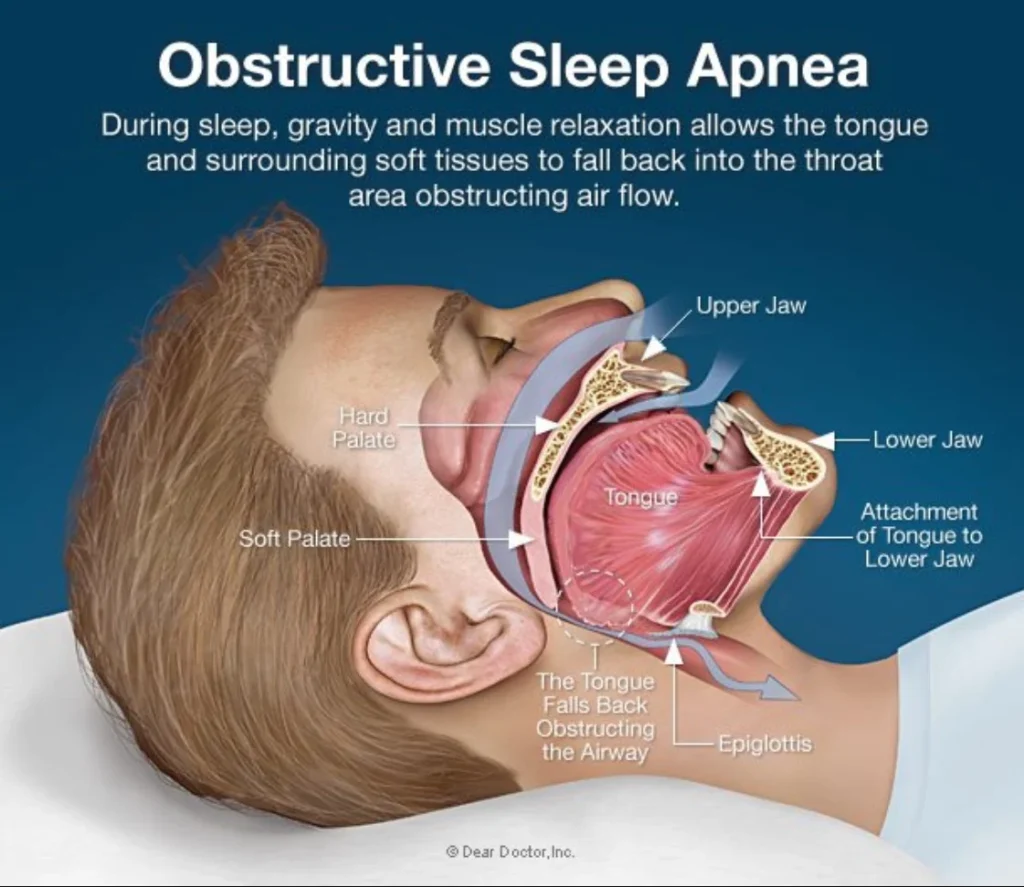
Reality: Snoring often tracks with fragmented sleep, lower next-day energy, and relationship friction. Sometimes it also flags a bigger issue that deserves attention.
What people are talking about right now (and why it matters)
Sleep is having a moment. You see it in the “sleep hack” culture, the rise of wearables, and the way mental-health conversations keep circling back to rest. People want simple rules, quick wins, and gadgets that promise calmer nights.
Real life keeps pushing the problem, too. Travel fatigue makes snoring louder. Workplace burnout makes sleep lighter. And couples keep joking about “separate blankets” or “separate rooms,” because snoring can turn bedtime into a nightly negotiation.
There’s also growing interest in oral appliances that fit into connected-care ecosystems. Translation: mouthpieces are no longer seen as purely old-school. They’re part of a broader trend toward tracking, screening, and treating sleep issues with more structure.
What matters medically: snoring isn’t always harmless
Snoring happens when airflow gets turbulent as tissues in the upper airway vibrate. That can be as simple as sleeping on your back after a late dinner. It can also be linked to obstructive sleep apnea, where breathing repeatedly narrows or pauses during sleep.
Sleep apnea is not just about noise. It’s associated with poor sleep quality and can connect with broader health risks. If you suspect it, don’t guess. Get screened.
If you want a quick overview of warning signs, read Nine mental-health tips for a happier 2026.
Snoring patterns that deserve more respect
- Snoring plus choking, gasping, or witnessed breathing pauses
- Morning headaches, dry mouth, or sore throat most days
- Daytime sleepiness, irritability, or “brain fog” that won’t quit
- High blood pressure or heart risk factors alongside loud snoring
How to try at home (a practical, low-drama plan)
You don’t need a perfect routine. You need a repeatable one. Think “reduce triggers, support airflow, then test one change at a time.”
Step 1: Run a 7-night snore + sleep-quality check
Track two things for one week: (1) how loud/frequent the snoring seems (partner notes count), and (2) how you feel at 2 p.m. the next day. That second data point is underrated.
Step 2: Borrow the best parts of popular sleep-hack culture
Many trending routines focus on timing: when you stop caffeine, when you stop heavy food, and when you power down screens. Use the idea, not the hype.
- Keep alcohol earlier and lighter, especially on work nights.
- Finish heavy meals a few hours before bed when possible.
- Give yourself a short wind-down that you can actually repeat.
Step 3: Change position before you buy gear
Back-sleeping often worsens snoring for many people. Side-sleeping can reduce it. A body pillow can be a simple test.
Step 4: Consider an anti snoring mouthpiece (and know what it’s for)
An anti snoring mouthpiece is typically designed to support the jaw and/or tongue position to help keep the airway more open. It’s not a cure-all. It’s a targeted tool for a common mechanical problem.
If your snoring seems worse when your jaw relaxes or your mouth falls open, a combo approach may be appealing. Example: an anti snoring mouthpiece is often searched by people trying to address both jaw position and mouth opening in one setup.
Step 5: Make the “relationship test” fair
Snoring is a two-person problem at night. Agree on a simple trial window (like 10 nights) and a shared scorecard: “Did we both sleep better?” That keeps it from turning into blame or jokes that sting.
When to seek help (don’t wait on these)
Home trials are fine for uncomplicated snoring. But some signs should move you into evaluation mode.
- Breathing pauses, choking, or gasping during sleep
- Excessive daytime sleepiness or drowsy driving risk
- High blood pressure, heart concerns, or new palpitations
- Snoring that ramps up fast with weight change or new meds
Also consider help if you’ve tried the basics and nothing changes. A clinician can help sort snoring from sleep apnea and discuss options like oral appliances, CPAP, or other therapies based on your needs.
FAQ: quick answers on mouthpieces, snoring, and sleep health
Can a mouthpiece replace a sleep study?
No. If sleep apnea is suspected, a proper evaluation matters. A mouthpiece may still be part of treatment, but it shouldn’t be a blind substitute for screening.
What if my snoring is mostly nasal?
A mouthpiece may help less if congestion is the main driver. You may need to address nasal airflow and triggers first.
Is it normal to drool or feel sore at first?
Some temporary drooling or mild jaw discomfort can happen during adjustment. Persistent pain, tooth issues, or jaw clicking is a reason to stop and talk to a professional.
Next step: get a clear answer fast
If you want a simple explanation before you buy anything, start here:
How do anti-snoring mouthpieces work?
Medical disclaimer: This article is for general education only and is not medical advice. It does not diagnose, treat, or replace care from a licensed clinician. If you suspect sleep apnea or have concerning symptoms, seek a professional evaluation.