
- Snoring is trending again because burnout, travel fatigue, and sleep gadgets are everywhere.
- Sleep quality is the real issue. The snore is just the sound you can’t ignore.
- An anti snoring mouthpiece can help for some people, especially when fit and comfort are dialed in.
- Not all snoring is “normal.” Some patterns deserve a medical check, not another hack.
- Relationships do better with a plan than with blame, jokes, or silent resentment at 2 a.m.
Sleep content is having a moment. You see smart rings, white-noise machines, mouth tape debates, and “biohacking” reels. Meanwhile, real life keeps happening: red-eye flights, late-night emails, and the kind of stress that makes your jaw tight before you even fall asleep.
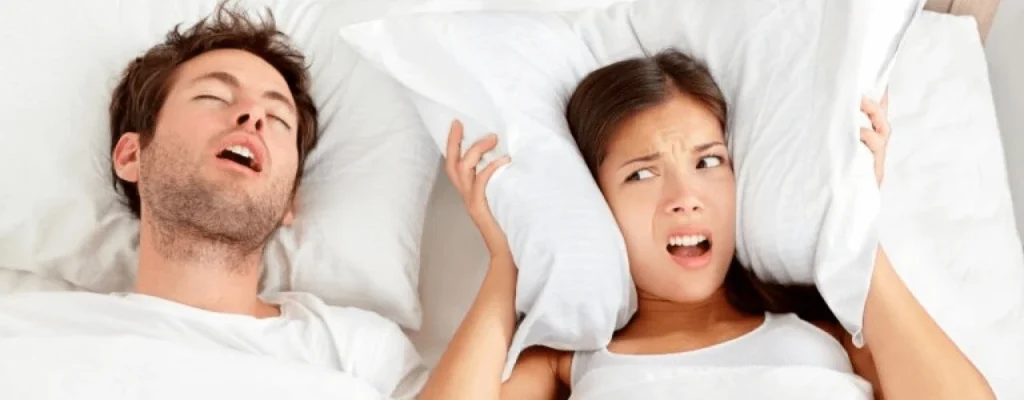
If snoring has become the nightly punchline in your relationship, you’re not alone. But it’s worth treating it like a sleep health problem—not a character flaw.
Why is everyone suddenly talking about snoring and sleep quality?
Because people are tired in a way that coffee can’t fix. Workplace burnout, doomscrolling, and inconsistent schedules all push sleep to the edge. Then snoring shows up and turns “light sleep” into “no sleep.”
There’s also more mainstream attention on breathing and airway-focused care. Some dental practices are highlighting airway dentistry and sleep-related breathing concerns as part of overall wellness. If you want a general example of that conversation, see this related coverage: Creative Smiles Dentistry Advances Airway Dentistry to Address Sleep and Breathing Health in Tucson.
When is snoring a harmless annoyance—and when is it a red flag?
Sometimes snoring is situational. Think: congestion, alcohol, sleeping flat on your back, or gaining a little weight during a stressful season. It can flare during travel, too. Hotel pillows and dry air don’t help.
Other times, snoring pairs with signs that deserve attention. If there are pauses in breathing, choking or gasping, morning headaches, or heavy daytime sleepiness, it’s smart to talk with a clinician. Snoring can be linked with sleep-disordered breathing, including obstructive sleep apnea, and that’s more than a “noise problem.”
Relationship tip that actually works
Don’t start the conversation at 3 a.m. Start it in daylight. Make it “we vs. the problem,” not “you vs. me.” A simple line helps: “I miss sleeping next to you without feeling wrecked the next day.”
What can you try tonight to improve sleep quality (before buying anything)?
Keep it basic. Simple changes can reduce snoring triggers and improve sleep quality fast.
- Side-sleeping (a pillow behind your back can help you stay there).
- Limit alcohol close to bedtime, especially on stressful nights.
- Address nasal stuffiness with gentle, non-prescription options you tolerate well.
- Protect sleep timing like it’s an appointment, even on weekends.
- Lower the “sleep effort”: dim lights, reduce late scrolling, keep the room cool.
These don’t solve every case. They do lower the odds that snoring spirals when life is already loud.
Where does an anti snoring mouthpiece fit in—really?
An anti snoring mouthpiece is popular because it’s tangible. You can try it without redesigning your whole life. For many people, it’s part of a practical toolkit—especially when snoring seems tied to jaw position, mouth breathing, or airway narrowing during sleep.
In plain language: some mouthpieces aim to keep the airway more open by gently changing how the jaw and tongue sit at night. The goal is fewer vibrations, less noise, and better sleep continuity for both people in the bed.
What people get wrong
They expect instant perfection. Comfort matters. Fit matters. And if you’re dealing with a bigger sleep-breathing issue, a mouthpiece may not be the right tool by itself.
What to look for if you’re shopping
- Comfort-first design (you won’t wear what you hate).
- Clear instructions for fitting and cleaning.
- A plan for mouth breathing if that’s part of your snoring pattern.
If you want a bundled option that targets both mouth positioning and keeping the mouth closed, consider an anti snoring mouthpiece.
How do you bring this up without turning it into a fight?
Use the “impact” script, not the “accusation” script. Snoring is personal, and people get defensive fast.
- Impact: “I’m not getting deep sleep, and I’m dragging at work.”
- Shared goal: “I want us both to feel better.”
- Next step: “Can we test one change for two weeks?”
Add a little relationship humor if it helps, but don’t hide the seriousness behind jokes. The point is better sleep, not a better roast.
What if the mouthpiece helps… but sleep still feels bad?
Then the snoring may not be the whole story. Sleep quality can drop from stress, insomnia patterns, caffeine timing, or an underlying sleep disorder. If symptoms persist—especially daytime sleepiness, breathing pauses, or morning headaches—get evaluated by a qualified clinician.
Medical disclaimer: This article is for general education only and isn’t medical advice. It doesn’t diagnose, treat, or replace care from a licensed professional. If you suspect sleep apnea or another sleep disorder, seek medical evaluation.
FAQ: quick answers people want before they buy
Will a mouthpiece stop snoring completely?
Sometimes it reduces it a lot, sometimes a little, and sometimes not at all. The cause of snoring matters.
Can I use an anti-snoring mouthpiece if I have jaw pain?
Be cautious. Jaw discomfort can worsen with some devices. If you have TMJ symptoms, ask a dental professional for guidance.
Do sleep gadgets replace medical evaluation?
No. Trackers can be useful, but they don’t confirm or rule out sleep apnea.
Ready to explore options without overthinking it?
If snoring is stealing sleep (and patience), a simple next step is learning how mouthpieces are designed to help and whether they match your situation.