
Is snoring “just annoying,” or could it be a sleep health issue?
Can an anti snoring mouthpiece really improve sleep quality?
What’s the simplest way to test changes without turning bedtime into a science project?
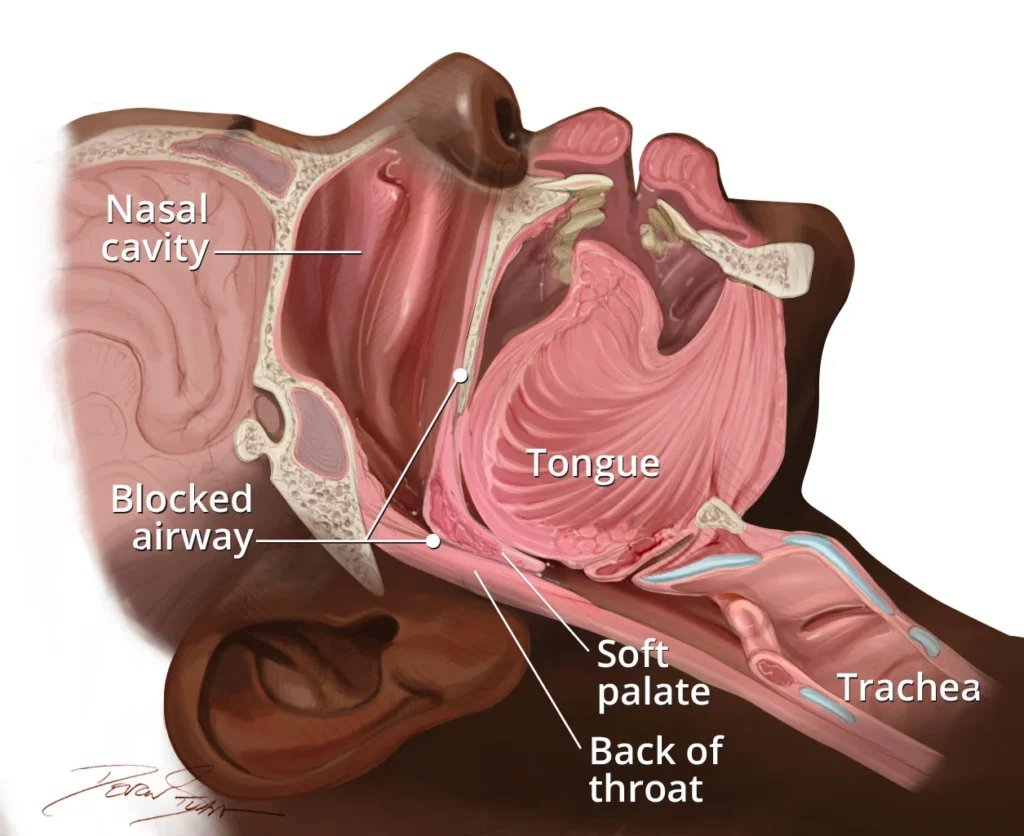
Snoring sits at the intersection of comfort, relationships, and health. Sometimes it’s harmless noise. Other times, it’s a clue that your airway is struggling at night. If you’ve noticed more talk lately about sleep apnea, heart health, and even long-term brain health, that’s not random. Sleep is having a cultural moment, and snoring is part of it.
The big picture: why snoring keeps trending
People are buying sleep trackers, trying “smart” pillows, and swapping hacks on social media. Meanwhile, travel schedules are back, late-night screens are everywhere, and workplace burnout is real. All of that can make sleep feel fragile.
Snoring becomes the nightly reminder that something is off. It also becomes a relationship punchline—until it isn’t funny anymore. If your partner is nudging you at 2 a.m., that’s not just lost sleep. It’s tension, resentment, and two tired people trying to function the next day.
Medical outlets have also been highlighting a bigger point: obstructive sleep apnea (OSA) isn’t only about noise. It’s associated with broader health risks, and treatment matters. For a general overview connected to recent reporting, see Preventing Alzheimer’s disease and dementia by treating obstructive sleep apnea.
The emotional side: snoring isn’t just sound
Snoring can turn bedtime into negotiation. One person wants silence. The other feels blamed for something they can’t fully control. Add travel fatigue or a stressful work week, and patience runs thin fast.
If you’re the snorer, you might feel embarrassed or defensive. If you’re the listener, you might feel invisible and exhausted. The best way forward is to treat it like a shared sleep-quality project, not a character flaw.
Practical steps: a no-drama plan to improve sleep quality
1) First, separate “simple snoring” from possible OSA signals
Snoring can happen for many reasons, including sleep position, nasal congestion, alcohol near bedtime, or jaw/tongue positioning. OSA is different because breathing can partially or fully stop repeatedly during sleep.
Consider talking to a clinician if you notice any of these:
- Choking, gasping, or witnessed pauses in breathing
- Excessive daytime sleepiness or dozing off easily
- Morning headaches or dry mouth most mornings
- High blood pressure or heart concerns (especially with loud snoring)
2) Use “ICI” basics: Intake, Comfort, Implementation
Intake: Track what changes snoring. Alcohol, late meals, allergies, and sleeping on your back are common culprits. Keep it simple: 3 nights of notes can reveal patterns.
Comfort: If a solution hurts, you won’t use it. Comfort is not optional. That includes jaw comfort, gum comfort, and how you breathe through your nose at night.
Implementation: Pick one tool, one technique, and give it a fair trial. Rotating gadgets nightly often creates noise in your data and in your life.
3) Where an anti snoring mouthpiece fits in
An anti snoring mouthpiece is designed to help keep the airway more open during sleep by changing positioning inside the mouth. Many options focus on bringing the lower jaw slightly forward or stabilizing the mouth posture. The goal is less vibration and better airflow.
This approach can be especially appealing right now because it’s tangible. It’s also “low tech” compared with a shelf full of sleep gadgets. You put it in, you sleep, you evaluate.
If you’re comparing options, one product-style example is an anti snoring mouthpiece. Combos may appeal to people who suspect mouth opening is part of their snoring pattern.
4) Technique matters: positioning and fit (without overthinking it)
Most frustration comes from two issues: fit and over-advancement. If the jaw is pulled too far forward too quickly, soreness shows up. If the device is loose, it won’t do much.
Try this progression:
- Night 1–2: Short wear while winding down to get used to the feel.
- Next few nights: Full-night wear if comfort is acceptable.
- Adjust slowly: Small changes beat big jumps. Comfort should improve, not degrade.
5) Cleanup and upkeep: keep it boring and consistent
A mouthpiece that smells “off” won’t get used. Rinse it after each use. Brush gently with mild soap. Let it fully dry. Also store it where it won’t get warped or crushed in a travel bag.
Speaking of travel: hotel air can be dry, and routines get weird. That’s when snoring often spikes. Pack the basics—mouthpiece case, nasal support if you use it, and a simple cleaning plan—so you don’t abandon the routine mid-trip.
Safety and testing: how to be smart without self-diagnosing
Watch for these “stop and reassess” signals
- Jaw pain that worsens or persists after stopping
- Tooth pain, gum irritation, or bite changes
- Snoring improves but you still wake up unrefreshed
- Ongoing choking/gasping or suspected breathing pauses
How to test if it’s working (quick, real-world)
Use a two-part check:
- Partner feedback: “How loud?” and “How often?” beats vague impressions.
- Next-day function: Energy, mood, and focus matter more than a perfect sleep score.
If you want data, keep it light. A phone snore app or wearable trendline is fine. Don’t let a gadget replace how you feel and function.
Medical disclaimer: This article is for general education and is not medical advice. Snoring can be a sign of obstructive sleep apnea or other conditions. If you have symptoms like choking/gasping, witnessed breathing pauses, significant daytime sleepiness, or cardiovascular concerns, talk with a qualified clinician for evaluation and treatment options.
FAQs
Is an anti snoring mouthpiece worth trying first?
It can be a reasonable first step for uncomplicated snoring, especially when position and mouth posture seem to drive the noise. If you have OSA red flags, prioritize medical evaluation.
What if my snoring is worse after alcohol or late meals?
That pattern is common. Consider changing timing and quantity, then retest. Pairing lifestyle tweaks with a mouthpiece often works better than either alone.
Can a mouthpiece help with “burnout sleep” (tired but wired)?
It can reduce noise and disruptions if snoring is part of the problem. Burnout often needs a wider reset too, like consistent sleep timing and a calmer wind-down.
Do I need to see a doctor before trying a mouthpiece?
If you suspect sleep apnea or have significant health concerns, it’s smart to ask first. Otherwise, many people try a mouthpiece while monitoring comfort and results.
Next step
If you want a clearer explanation of what these devices do and whether they fit your situation, start here: