
On a red-eye flight, someone in 14B drifts off first. Ten minutes later, the cabin soundtrack changes: a steady snore that cuts through noise-canceling headphones. By the time the wheels touch down, the snorer feels “fine,” but their seatmate looks like they pulled an all-nighter.
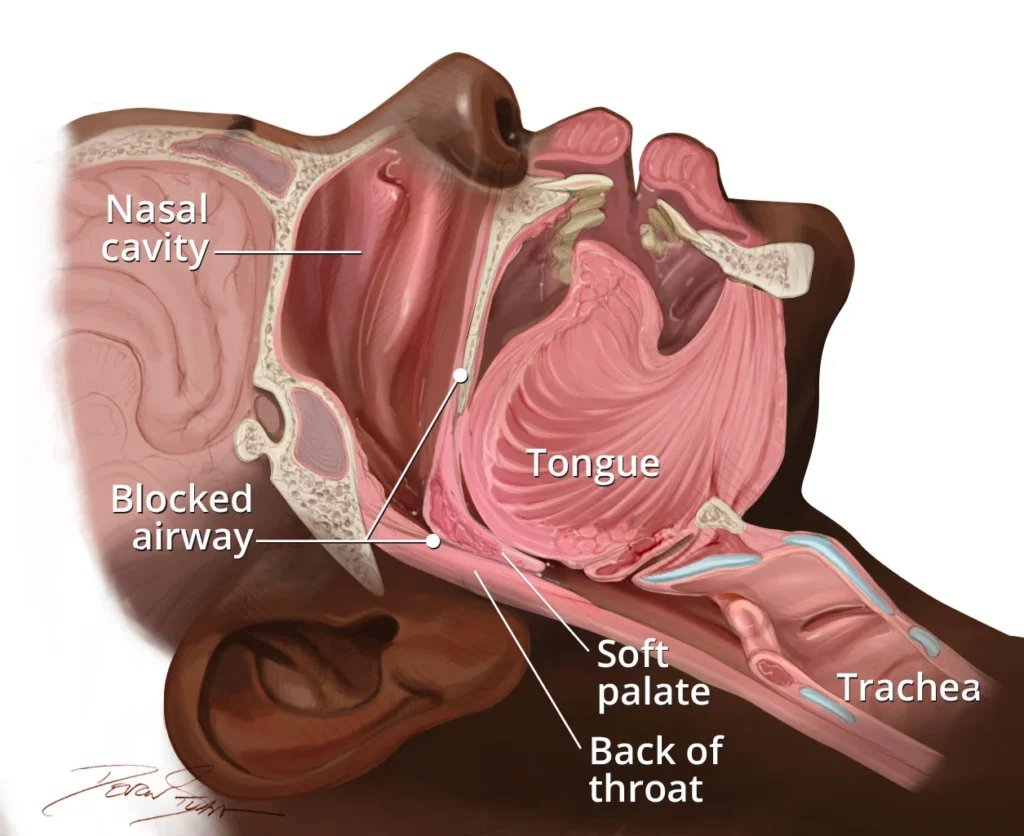
That’s the modern snoring story. We track steps, buy sleep gadgets, and talk about burnout like it’s a job title. Yet a basic problem still ruins sleep quality for millions: a partially blocked airway at night. If you’re looking into an anti snoring mouthpiece, this guide keeps it simple and safety-first.
Why is everyone suddenly talking about snoring and sleep quality?
Snoring isn’t new. What’s new is how quickly it shows up in daily life. People compare sleep scores, swap wearable data at brunch, and joke about “separate bedrooms” like it’s a relationship hack.
Workplace stress adds fuel. When you’re run down, you may rely on late caffeine, evening alcohol, or irregular bedtimes. Those patterns can worsen snoring for some people. Travel fatigue can do the same, especially when you end up sleeping on your back in a hotel bed that feels nothing like home.
Snoring isn’t just noise
Even if you’re the one snoring and you don’t notice it, your sleep may still be fragmented. Your partner may also sleep lightly and wake often. That’s how “just snoring” turns into a household sleep problem.
What actually makes snoring worse (and what’s worth trying)?
Snoring usually happens when airflow gets turbulent. The soft tissues in the throat vibrate, and the sound follows. Common drivers include nasal congestion, sleeping position, alcohol close to bedtime, and changes in muscle tone during deeper sleep.
Quick, low-risk adjustments
- Side-sleeping: Back-sleeping can let the tongue and soft tissues fall backward for some people.
- Earlier alcohol cutoff: Alcohol can relax airway muscles and worsen snoring in some sleepers.
- Address nasal blockage: Allergies, colds, and dryness can increase mouth breathing and vibration.
- Consistent sleep window: Irregular schedules can make sleep feel lighter and more disrupted.
If you’ve seen recent health coverage about sleep apnea and lifestyle changes, you’ve also seen a recurring theme: weight can be one factor. For a general reference to that discussion, see How Weight Loss Can Help Your Sleep Apnea. Keep expectations realistic. Snoring has multiple causes, and anatomy matters.
Could snoring be a sign you should get screened for sleep apnea?
Sometimes, yes. Snoring can happen without sleep apnea, but loud habitual snoring is also a common feature of obstructive sleep apnea. Central sleep apnea is different and involves a signaling issue from the brain rather than a physical blockage. Either way, screening matters because untreated sleep apnea can affect health and daytime functioning.
Red flags that should move you toward medical advice
- Someone observes breathing pauses, choking, or gasping during sleep
- Morning headaches or dry mouth that keep happening
- Daytime sleepiness, dozing off easily, or drowsy driving risk
- High blood pressure or heart-related concerns (especially with loud snoring)
If these show up, treat a mouthpiece as a comfort tool, not a diagnosis or a complete plan. Getting evaluated can protect you and helps you choose the right solution.
How does an anti snoring mouthpiece fit into sleep health?
An anti snoring mouthpiece is typically designed to reduce snoring by improving airflow. Many products aim to keep the lower jaw and tongue from collapsing backward. Others focus on keeping the mouth closed to encourage nasal breathing.
What people like about mouthpieces
- No batteries: A break from charging yet another device.
- Portable: Helpful for travel, when snoring tends to spike.
- Partner-friendly: Often tried after “sleep divorce” jokes stop being funny.
What to watch for (safety and comfort)
- Jaw or tooth pain: Mild soreness can happen early, but sharp pain is a stop sign.
- Bite changes: If your bite feels different over time, take it seriously.
- Hygiene: Clean the device as directed. Replace it if it cracks, warps, or won’t clean well.
- Dental issues: Loose teeth, active gum disease, or significant TMJ symptoms should prompt dental input first.
For people who want a combined approach, a product that pairs jaw/tongue positioning with mouth-closure support may be appealing. Here’s an example of a related option: anti snoring mouthpiece.
How do you choose a mouthpiece without creating new problems?
Think in terms of “reduce risk, then test.” The goal is quieter nights and better sleep quality, not jaw drama.
A simple decision checklist
- Screen first if needed: If apnea is possible, prioritize evaluation.
- Start with comfort: A device you can’t tolerate won’t help, even if it’s “the best.”
- Track outcomes: Note snoring volume (partner feedback helps), morning energy, and any jaw symptoms.
- Set a stop rule: Persistent pain, new bite issues, or worsening sleepiness means pause and reassess.
Common questions
Is snoring always caused by weight?
No. Weight can play a role for some people, but congestion, alcohol, anatomy, sleep position, and muscle tone can also drive snoring.
Can I use a mouthpiece if I only snore when I travel?
Many people try one for trips because fatigue and back-sleeping can worsen snoring. Make sure you test it at home first, not for the first time in a hotel.
What if my partner says I stop breathing sometimes?
That’s a strong reason to seek screening for sleep apnea. A mouthpiece may reduce noise, but it shouldn’t delay evaluation when breathing pauses are reported.
CTA: get a clearer plan for quieter nights
If you want to explore options and understand what’s happening, start with the basics and keep safety in the loop. Mouthpieces can be helpful, but screening and comfort come first.
How do anti-snoring mouthpieces work?
Medical disclaimer: This article is for general education and does not provide medical advice, diagnosis, or treatment. If you suspect sleep apnea or have significant daytime sleepiness, witnessed breathing pauses, chest pain, or persistent jaw/tooth pain, seek care from a qualified clinician or dentist.