
Snoring is having a moment. Not in a cute way—more like the “why am I exhausted after eight hours?” way.
Between new sleep gadgets, travel fatigue, and burnout culture, people want a fix that’s fast and not awkward to talk about.
Thesis: An anti snoring mouthpiece can be a smart first step, but only if you screen for safety, fit, and red-flag symptoms.
What people are talking about right now (and why it matters)
Sleep tech is trending again. You see it in wearable scores, “biohacking” routines, and the endless debate about which device is worth the money.
Snoring solutions are part of that wave. Market forecasts and “best of” roundups keep popping up, and they’re pushing mouthpieces, nasal options, and other anti-snore devices into the mainstream.
The cultural drivers: travel, relationships, and work
Frequent travel can wreck routines. Dry hotel air, different pillows, and late meals can turn mild snoring into a nightly soundtrack.
At home, snoring becomes relationship comedy until it isn’t. Separate bedrooms stop being a joke when both people are running on fumes.
Workplace burnout adds fuel too. When stress climbs, sleep gets lighter, and partners notice every sound.
Why “device lists” are everywhere
Consumers want shortcuts. That’s why you’ll see articles framed around expert input, including roundups like SleepZee Anti-Snoring Mouthpiece Consumer Report: 2026 Analysis of Mandibular Advancement Device Research, Snoring Reduction Claims, and What Buyers Should Verify.
Use those lists as a starting point, not a diagnosis. Your snoring pattern and your risk factors matter more than a ranking.
What matters medically (simple, not scary)
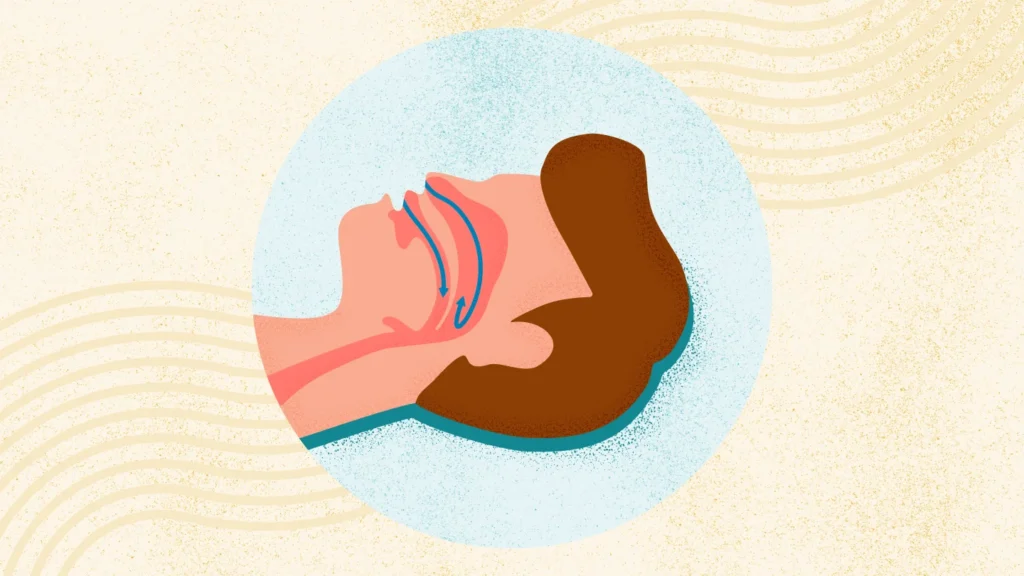
Snoring happens when airflow gets turbulent and tissues vibrate. That can come from the nose, the soft palate, the tongue, or the jaw position.
The big concern is when snoring is paired with obstructive sleep apnea (OSA). OSA involves repeated breathing disruptions during sleep and deserves proper screening.
Quick self-check: “annoying snoring” vs “get evaluated”
- More likely simple snoring: worse after alcohol, on your back, or when congested; improves with side sleeping.
- Higher-risk signs: witnessed pauses, choking/gasping, morning headaches, high blood pressure, or strong daytime sleepiness.
- Also consider: pregnancy, significant weight gain, or a strong family history of sleep apnea.
If the higher-risk signs show up, don’t “device-hop.” Get a sleep evaluation.
Where an anti-snoring mouthpiece fits
Most mouthpieces for snoring are mandibular advancement devices (MADs). They gently position the lower jaw forward to help keep the airway more open.
They can be appealing because they’re portable, quiet, and travel-friendly. That matters when you’re dealing with jet lag and unfamiliar beds.
How to try at home (without guessing)
Start like you’re running a small experiment. You want fewer variables, clear notes, and a way to tell if it’s working.
Step 1: Set a baseline for 7 nights
- Track bedtime, wake time, and how you feel at 2 p.m.
- Ask a partner for a simple 0–3 snoring rating, or use a basic snore recorder app.
- Note alcohol, late meals, and congestion.
Step 2: Choose a mouthpiece with “verify before you buy” thinking
Recent consumer-style reporting keeps emphasizing verification. That’s the right mindset.
- Fit approach: follow instructions exactly; don’t over-advance on night one.
- Materials and comfort: avoid anything that smells strongly of chemicals or irritates gums.
- Return policy: you need an exit plan if pain or bite changes show up.
- Dental reality: if you have loose teeth, major dental work, or jaw joint issues, check with a dentist first.
Step 3: Trial it for 2–3 weeks and document outcomes
Comfort can improve as you adapt. Results can also fluctuate with stress, sleep position, and nasal congestion.
- Keep the same tracking method you used for baseline.
- Watch for jaw soreness that worsens instead of fading.
- Stop if you notice bite changes that persist into the day.
Step 4: Pair with low-risk sleep quality upgrades
- Side-sleeping support (pillow or positional aid).
- Consistent wake time, even after travel.
- Nasal hygiene basics if you’re congested (avoid anything that makes breathing feel restricted).
Mouth taping is also trending, but it’s not “set and forget.” If nasal airflow isn’t solid, it can be unsafe. When in doubt, skip it and ask a clinician.
When to get professional help (don’t wait on these)
Book a sleep or medical evaluation if any of the following apply:
- Witnessed breathing pauses, choking, or gasping at night
- Severe daytime sleepiness or drowsy driving risk
- High blood pressure, heart disease, or stroke history
- Snoring plus new or worsening insomnia
- Jaw pain, tooth pain, or bite changes from a mouthpiece
A clinician can help rule out sleep apnea and guide you toward the right tool, including custom dental devices when appropriate.
FAQ: fast answers people want
Do anti-snoring mouthpieces work for everyone?
No. They’re best suited to snoring related to jaw/tongue position. Nasal obstruction and sleep apnea need different solutions.
Is loud snoring always a sign of sleep apnea?
No, but it’s a common clue. Pair it with symptoms like gasping, pauses, or heavy daytime sleepiness and you should get screened.
How long does it take to notice results with a mouthpiece?
Some people notice changes quickly. Give it 2–3 weeks with consistent tracking to judge comfort and impact.
Can I use mouth tape with a mouthpiece?
Be cautious. If nasal breathing isn’t clearly easy all night, mouth taping can be risky. Stop if breathing feels restricted and talk to a clinician.
What are common side effects of mandibular advancement mouthpieces?
Jaw soreness, tooth discomfort, dry mouth, and bite changes are common complaints. Persistent symptoms mean you should stop and get dental guidance.
CTA: pick a setup you can actually stick with
If you want a simple option to test at home, consider an anti snoring mouthpiece. Keep your trial structured and document what changes.
How do anti-snoring mouthpieces work?
Medical disclaimer: This article is for general education only and isn’t medical advice. It doesn’t diagnose or treat any condition. If you suspect sleep apnea, have significant daytime sleepiness, or develop jaw/tooth pain, talk with a qualified clinician.