
Is your snoring a “funny” relationship joke… until nobody sleeps?
Are you buying sleep gadgets, tracking scores, and still waking up tired?
Do you wonder if an anti snoring mouthpiece is the simple fix you’ve missed?
Those questions are showing up everywhere right now—from performance-focused conversations about breathing to practical “try-this-tonight” sleep habits. Add travel fatigue, long workweeks, and shared bedrooms, and snoring becomes more than noise. It becomes stress.
This guide keeps it simple. You’ll get an “if…then…” path to decide what to do next, without spiraling into a thousand tabs.
First: why snoring feels louder lately (even if it isn’t)
When you’re burned out, you notice everything more. A partner’s snore can feel personal at 3 a.m., even when it isn’t. Poor sleep also lowers patience and makes small conflicts bigger.
On top of that, many people are paying closer attention to sleep quality. Wearables, recovery scores, and breath-focused performance trends have turned sleep into a daily metric. That spotlight can be helpful, but it can also raise the pressure.
The quick decision guide: If…then… pick your next move
If your snoring is mainly positional (back sleeping), then start here
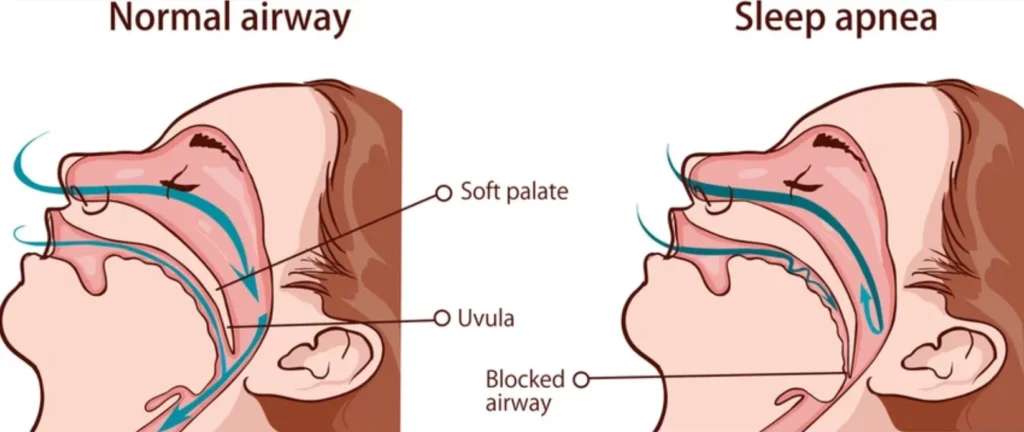
If you mostly snore on your back, your jaw and tongue can fall backward. That narrows the airway and ramps up vibration.
Then: try side-sleep support (pillow setup, positional habits) and consider an anti snoring mouthpiece designed to keep the lower jaw slightly forward. This combo targets a common mechanical cause.
If your nose feels like the bottleneck, then don’t ignore nasal breathing
Recent sleep-and-performance chatter has put nasal breathing back in the spotlight. The basic idea is simple: when the nose is blocked, you’re more likely to mouth-breathe, and mouth breathing can worsen snoring for some people.
Then: look at what’s driving congestion (dry air, allergies, a cold, travel cabin air). Keep it general and practical. If nasal blockage is frequent or severe, bring it to a clinician.
For a broader read on the breathing-performance angle people are discussing, see this related coverage: Could Your Nose Be Key to Better Performance?.
If your partner says you pause breathing, then treat it as a health issue
Snoring can be harmless. It can also show up with sleep apnea, which is linked with broader health risks in medical guidance. If there are witnessed pauses, choking/gasping, or heavy daytime sleepiness, don’t self-experiment forever.
Then: schedule a medical evaluation. A mouthpiece may still play a role, but you want the right plan for your situation.
If you’re “fine” but your relationship is not, then use a two-person plan
Snoring creates a weird kind of resentment. One person feels blamed. The other feels abandoned to a bad night. That dynamic can escalate fast during stressful seasons.
Then: agree on a trial window. Pick one change for the snorer and one change for the listener. Example: mouthpiece trial + white noise or earplugs. Keep the goal shared: better sleep quality for both.
If you’re collecting gadgets, then pick the tool that matches the problem
Sleep tech is everywhere. Some tools measure. Fewer tools actually change the airway mechanics that cause snoring.
Then: consider whether you need data or you need a physical intervention. If snoring seems jaw/tongue-related, an oral device may be the more direct experiment.
Where an anti snoring mouthpiece fits (and what to expect)
An anti-snoring mouthpiece typically aims to hold the lower jaw slightly forward to keep the airway more open. People often try them because they’re non-surgical and relatively simple compared with bigger interventions.
Comfort matters. So does fit. If you wake up with jaw pain, tooth discomfort, or bite changes that don’t improve, stop and get professional advice.
If you want to compare options, start here: anti snoring mouthpiece.
Small sleep-quality moves that make mouthpiece trials more honest
When you’re testing anything for snoring, keep the rest of the night as stable as you can. Otherwise, it’s hard to tell what helped.
- Protect the schedule: even a 30–60 minute swing can change snoring intensity.
- Watch alcohol timing: it can increase airway relaxation for some people.
- Manage travel fatigue: dry hotel air and odd pillows can amplify snoring.
- Reduce late-night stress: a short wind-down lowers “wired but tired” sleep.
FAQ: quick answers people ask at 2 a.m.
Is snoring always “just snoring”?
No. It can be benign, but it can also be a sign of a sleep-breathing disorder. Symptoms and severity matter.
Can I combine nasal strategies and a mouthpiece?
Often, yes. If nasal congestion drives mouth breathing, addressing both can be a practical approach.
What’s the simplest way to track progress?
Use a short notes log: bedtime, alcohol timing, sleep position, mouthpiece use, and partner feedback. Keep it consistent for a week.
CTA: choose the next step that reduces stress, not adds to it
If snoring is hurting your sleep quality—or your relationship peace—make the next move a clear one. A mouthpiece trial can be a straightforward place to start when snoring seems positional or jaw-related.
How do anti-snoring mouthpieces work?
Medical disclaimer: This article is for general education only and is not medical advice. Snoring can have many causes. If you suspect sleep apnea or have symptoms like choking/gasping, witnessed breathing pauses, significant daytime sleepiness, or heart-related concerns, seek evaluation from a qualified clinician.