
Is snoring “just annoying,” or is it wrecking your sleep quality?
Do anti-snoring mouthpieces actually help, or are they another sleep gadget trend?
How do you try one without turning bedtime into a full-time optimization project?
Snoring sits at the intersection of health, relationships, and the modern obsession with “perfect sleep.” Between wearable trackers, travel fatigue, and workplace burnout, people want quick fixes. An anti snoring mouthpiece can be one of the more practical tools—when it matches the cause of the snore and you test it the right way.
The big picture: why snoring is suddenly everyone’s topic
Snoring isn’t new. What’s new is how much attention sleep gets. Tracking apps and “sleepmaxxing” style routines make it tempting to chase perfect numbers instead of better mornings.
At the same time, real life keeps disrupting rest. Business travel, late-night scrolling, and stress-heavy workweeks add up. When you’re running on fumes, even “normal” snoring can feel louder—and the consequences (irritability, brain fog, lower patience) hit harder.
Many recent conversations also echo a simple theme: focus on basics that help you wake up feeling rested. If you want a general, practical read, see Local sleep specialist shares tips to wake up feeling rested.
The emotional layer: the “snore tax” on relationships and mood
Snoring is funny—until it’s not. Couples joke about it, then quietly start negotiating sleep like roommates: different pillows, different bedtimes, sometimes different rooms.
If that’s you, you’re not failing at sleep. You’re responding to repeated disruptions. Even small wake-ups can chip away at sleep quality, and that can spill into daytime mood and patience.
Burnout makes this worse. When you’re already stressed, your sleep becomes the last line of defense. That’s why “one more gadget” feels appealing. Still, the goal is not a perfect dashboard. It’s fewer bad nights in a row.
Practical steps: where an anti snoring mouthpiece fits (and where it doesn’t)
Snoring often happens when airflow gets restricted and soft tissues vibrate. Mouthpieces are typically designed to improve airflow by changing jaw or tongue position. They’re not the only option, but they can be a strong middle ground between “do nothing” and “medical device.”
Step 1: Spot your most likely snoring pattern
You don’t need a lab to start noticing patterns. Use a simple note on your phone for one week:
- Position: Is it worse on your back?
- Timing: Is it worse after alcohol or a very late meal?
- Congestion: Is it worse during allergies or colds?
- Daytime impact: Do you wake unrefreshed or feel unusually sleepy?
This helps you choose a first move instead of trying everything at once.
Step 2: Start with “low effort, high return” adjustments
These are boring. They also work often enough to be worth trying:
- Side-sleeping if back-sleeping is your trigger.
- Alcohol timing: if you drink, keep it earlier and lighter when testing snoring changes.
- Wind-down routine that’s realistic: dim lights, less doom-scrolling, consistent wake time.
Travel fatigue? Don’t “punish” yourself with a strict new routine on the road. Aim for consistency where you can: same wake time, hydration, and a calmer pre-sleep hour.
Step 3: Trial a mouthpiece with a simple pass/fail test
If snoring persists, a mouthpiece trial can be a practical next step. Look for anti snoring mouthpiece that are designed specifically for snoring (not sports mouthguards).
Keep the test clean for 10–14 nights:
- Pick one change at a time (don’t also switch pillows, supplements, and bedtime).
- Track two outcomes: partner-reported snoring intensity + how you feel in the morning.
- Watch comfort signals: jaw stiffness, tooth soreness, or headaches.
That’s enough to know if it’s promising without spiraling into “sleepmaxxing.”
Safety and testing: how to use mouthpieces responsibly
Mouthpieces can be helpful, but they aren’t “set and forget.” Your body gives feedback quickly—listen to it.
Signs you should pause and reassess
- Jaw pain that doesn’t ease after an adjustment period
- Tooth pain or gum irritation
- Bite feels “off” during the day
- Snoring improves but daytime sleepiness stays severe
When to get checked for something bigger
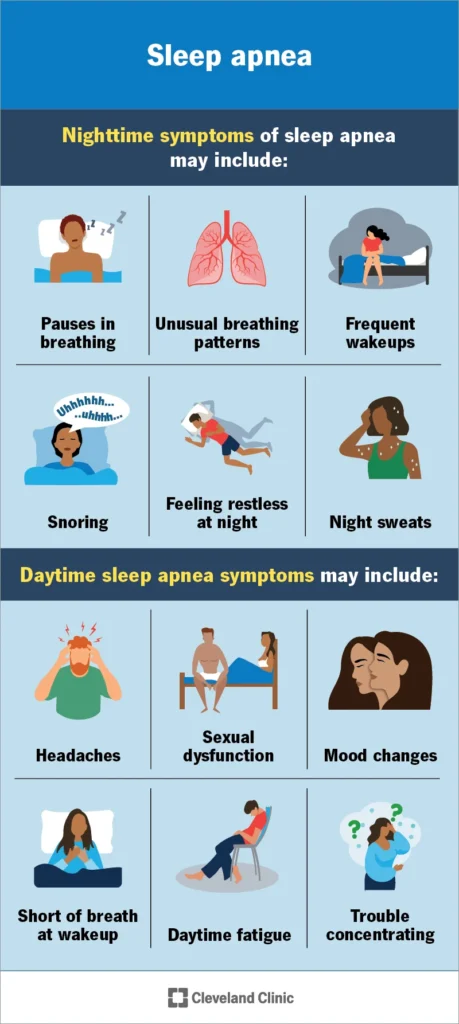
Consider medical evaluation if you have loud snoring plus choking/gasping, witnessed breathing pauses, high daytime sleepiness, or high-risk health factors. Mouthpieces may still play a role, but you’ll want the right plan for your situation.
Medical disclaimer: This article is for general education and does not provide medical advice, diagnosis, or treatment. If you suspect sleep apnea or have persistent symptoms, talk with a qualified clinician or sleep professional.
FAQ: quick answers people want right now
Do sleep trackers help with snoring?
They can add awareness, but they can also create anxiety and over-focus. Use them to spot trends, not to “grade” your sleep every morning.
Will a mouthpiece stop snoring forever?
It depends on the cause and consistency. Weight changes, alcohol timing, congestion, and sleep position can all change your results.
What’s the simplest way to tell if it’s working?
Use a two-part check: fewer partner complaints and better morning energy. Numbers are optional.
CTA: choose a simple next step tonight
If snoring is hurting sleep quality for you or someone you live with, keep your plan small and testable. Start with one week of pattern notes. Then consider a targeted trial of an anti-snoring mouthpiece.