
On the third night of a work trip, “M” did the classic hotel routine: blackout curtains, white-noise app, and one more shiny sleep gadget in the carry-on. Across the room, their partner joked, “If you snore tonight, I’m moving to the bathroom floor.” Everyone laughed. Nobody slept.
That’s the current vibe around sleep: burnout headlines, travel fatigue, and relationship humor mixed with real concern about sleep health. People want quick fixes. Some trends sound simple—like taping your mouth shut—but clinicians have been publicly cautioning against that approach for many sleepers.
If snoring is wrecking your sleep quality, use the decision guide below. It’s built for real life: comfort, positioning, and cleanup. No drama.
A snoring decision guide (If…then…)
If you’re tempted to tape your mouth shut…then pause
Mouth taping has gone viral in wellness circles. It’s also the kind of “hack” that can backfire if your nose isn’t clear or if you have undiagnosed sleep-disordered breathing. For a quick overview of why some doctors advise against this trend, see this coverage: Why Doctors Say You Shouldn’t Tape Your Mouth Shut at Night.
Safer first steps usually involve improving airflow, changing sleep position, or using a device designed for snoring—like an anti snoring mouthpiece—rather than blocking your breathing route.
If your snoring gets worse on your back…then try “position first”
Back-sleeping often makes the airway more collapsible, which can increase vibration (snore sound) and fragment sleep. If you notice the “back = louder” pattern, start here:
- Side-sleep setup: Use a supportive pillow and hug pillow to keep shoulders stacked.
- Head/neck neutral: Avoid cranking your chin toward your chest.
- Travel tweak: In hotels, ask for an extra pillow to stabilize your side position.
If positioning helps but doesn’t fully solve it, a mouthpiece may add consistency on nights when you roll onto your back.
If you wake with a dry mouth…then look at breathing route and seal
Dry mouth often points to mouth-breathing at night. That can happen with nasal congestion, allergies, or simply habit. Consider two practical angles:
- Nasal comfort: Keep the nose as clear as you reasonably can (many people use gentle saline routines). If congestion is persistent, treat the cause with a clinician.
- Mouth closure support: A chin strap can help some people keep lips closed, especially when paired with a mouthpiece that supports jaw position.
Trend note: there’s ongoing interest in low-risk options like saline approaches (including in pediatric discussions), and also in new anti-snoring devices being tested in clinical trials. That tells you the same thing: snoring is common, and the “right tool” depends on the person.
If the snore is loud and your partner is losing it…then choose a device you’ll actually wear
Relationship sleep is a real thing. The best device is the one that stays in your routine after the first week.
An anti snoring mouthpiece often works by gently positioning the lower jaw forward to reduce airway vibration. When you’re shopping, prioritize:
- Comfort: Sharp edges and bulky designs reduce adherence fast.
- Fit strategy: Follow the fitting instructions carefully. Don’t “over-tighten” your bite on night one.
- Jaw feel: You want secure—not strained.
If you also struggle to keep your mouth closed, consider a combo approach: anti snoring mouthpiece. It’s a straightforward way to address both jaw position and lip seal without relying on risky shortcuts.
If you’re exhausted but “sleeping in” isn’t helping…then protect your rhythm
When burnout hits, people try to catch up by staying in bed longer. But sleep quality isn’t only about time in bed. Consistency matters.
- Keep wake time steady most days, even after a rough night.
- Use a wind-down buffer: Dim lights, lower stimulation, and give your body a predictable off-ramp.
- Pair tools with habits: A mouthpiece can reduce snoring, but routines protect the rest of sleep health.
If you suspect sleep apnea…then don’t DIY it
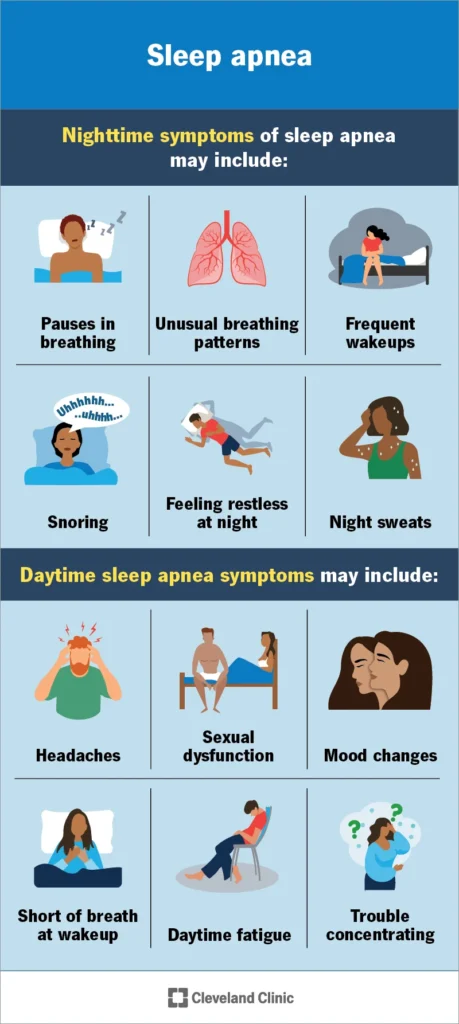
Snoring can be harmless. It can also be a sign of obstructive sleep apnea. If you have breathing pauses, gasping, or heavy daytime sleepiness, get evaluated. New trials and funding announcements for anti-snoring and sleep-apnea devices are a reminder that this is a medical area, not just a lifestyle problem.
Anti-snoring mouthpiece basics (comfort, positioning, cleanup)
ICI: Insert, Check, Improve
- Insert: Fit the mouthpiece exactly as directed so it seats evenly.
- Check: Notice pressure points, gum irritation, or jaw strain the next morning.
- Improve: Make small adjustments, not big jumps. Comfort drives consistency.
Positioning: aim for “gentle forward,” not “forced forward”
Many mandibular advancement designs work by moving the lower jaw slightly forward. More is not always better. A forced position can lead to soreness and quit-rate.
Cleanup: keep it simple and daily
- Rinse after use.
- Gently brush with mild soap (avoid harsh abrasives unless the product instructions allow it).
- Air-dry fully before storing.
FAQ (quick answers)
Is an anti snoring mouthpiece the same as a night guard?
Not usually. Night guards focus on grinding protection. Anti-snoring mouthpieces focus on airway positioning.
Can mouth taping help with snoring?
It’s a popular trend, but many clinicians urge caution. If nasal breathing isn’t reliable, it can create risk.
How long does it take to get used to a mouthpiece?
Often several nights to a couple of weeks. Start gently and prioritize comfort.
What if my mouthpiece makes my jaw sore?
Mild soreness can happen early. Ongoing pain is a stop sign—get dental guidance.
Do I need to clean an anti-snoring mouthpiece every day?
Yes. Daily cleaning reduces buildup and helps the device last longer.
When should I talk to a clinician about snoring?
Breathing pauses, choking/gasping, big daytime sleepiness, or morning headaches are reasons to get evaluated.
Next step: choose a plan you can repeat
If your goal is better sleep quality (not just a quieter room), stack the basics: side-sleep support, nasal comfort, and a device that fits your mouth and your routine. Avoid extreme hacks that can create new problems.
How do anti-snoring mouthpieces work?
Medical disclaimer: This article is for general education only and isn’t medical advice. It does not diagnose, treat, or replace care from a qualified clinician. If you suspect sleep apnea or have significant symptoms, seek professional evaluation.