
On the third night of a work trip, someone in a hotel room finally gives up and moves to the armchair. The culprit isn’t the city noise or the late espresso. It’s the steady, rattling snore coming from the other bed.
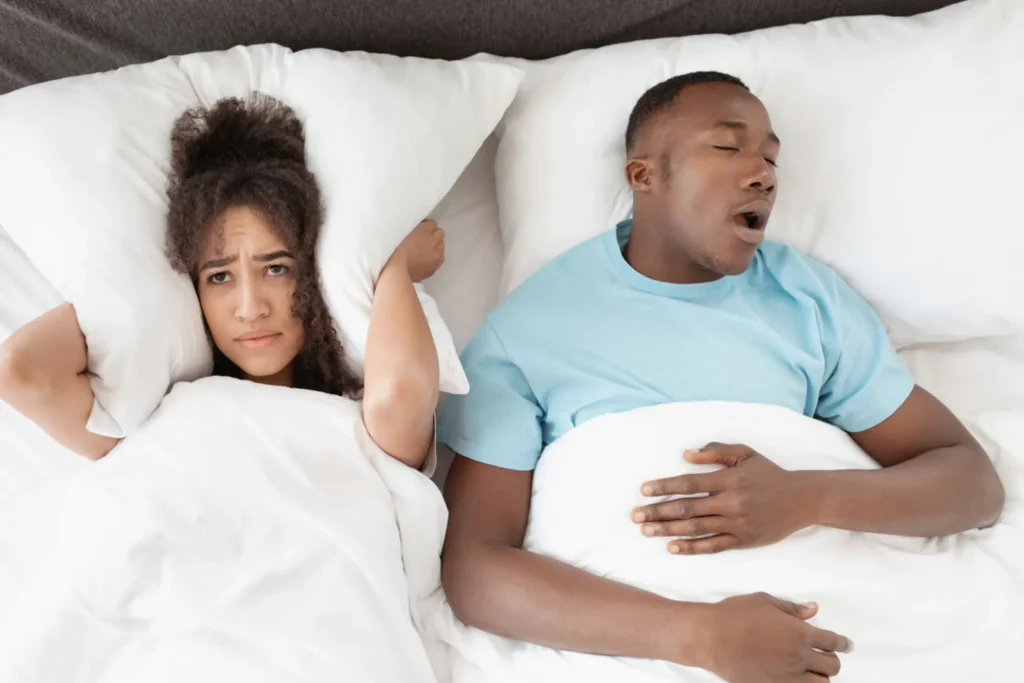
That scene is showing up everywhere right now. People are talking about sleep gadgets, “viral” sleep hacks, and the kind of travel fatigue that makes you feel jet-lagged even without crossing an ocean. Meanwhile, relationship jokes about “who snores” land differently when both people are burned out and running on fumes.
If you want a practical, at-home path that doesn’t waste a pay cycle, start with the basics: what causes snoring, what improves sleep quality, and where an anti snoring mouthpiece fits in.
Why is snoring suddenly such a big topic?
Snoring isn’t new. What’s new is how openly people compare notes. Sleep trackers, smart rings, and app scores have made “bad sleep” feel measurable. Social media has also turned sleep into a trend cycle, where every month brings a new “must-try” idea.
On the industry side, reports and forecasts about anti-snoring devices keep popping up, especially in Europe. You don’t need the market numbers to understand the message: more people are actively shopping for solutions.
What’s the fastest way to tell if snoring is hurting sleep quality?
Snoring can be a simple annoyance, but it can also fragment sleep. The quickest reality check is how you feel during the day.
Look for these “sleep quality” clues
- Waking up unrefreshed even after enough hours in bed
- Dry mouth or sore throat in the morning
- Daytime sleepiness, brain fog, or irritability
- Your partner reports pauses, choking, or gasping sounds
If the last bullet shows up, don’t just shop gadgets. Consider a medical evaluation to rule out sleep-disordered breathing.
Which snoring fixes are people trying right now (and why)?
Current sleep chatter tends to split into two lanes: “quick hacks” and “structured solutions.” Both can be useful, but they’re not interchangeable.
Lane 1: The viral hack lane
Mouth taping has been all over social feeds. The general idea is to encourage nasal breathing at night. Some people say it helps them feel less dry or more settled.
Still, it’s not the same category as anti-snore devices that physically reposition the jaw or tongue. If your snoring is driven by airway narrowing from relaxed tissues, a tape-only approach may not address the core mechanics.
Lane 2: The device lane (more boring, often more targeted)
Lists of “best anti-snore devices” keep circulating, often with input from sleep clinicians. The recurring theme is that different tools match different snoring patterns. That’s where mouthpieces can make sense.
How can an anti snoring mouthpiece help, in plain language?
Many mouthpieces aim to reduce snoring by helping keep the airway more open during sleep. They usually do this by changing the position of the lower jaw or the tongue.
The two common types you’ll see
- Mandibular advancement devices (MADs): These bring the lower jaw slightly forward. That forward shift can reduce tissue collapse for some sleepers.
- Tongue-retaining devices (TRDs): These hold the tongue forward using gentle suction. This can help if the tongue falls back during sleep.
The “best” option is the one you can actually wear consistently. Comfort and fit matter as much as the concept.
How do I choose a mouthpiece without wasting money?
Think like a practical shopper, not a gadget collector. Your goal is fewer wake-ups, not a drawer full of experiments.
Use this budget-first checklist
- Start with fit and adjustability: If it’s too bulky or can’t be adjusted, it’s more likely to end up unused.
- Check dental comfort: Any mouthpiece can feel odd at first, but sharp pain, tooth shifting concerns, or jaw locking are not “normal adjustment.”
- Look for clear cleaning instructions: If upkeep is confusing, compliance drops fast.
- Set a trial window: Give it a fair test (often 1–2 weeks) unless you have pain or red-flag symptoms.
If you want a starting point for comparison shopping, see these anti snoring mouthpiece.
What else improves sleep quality while you work on snoring?
Even the right mouthpiece works better when your sleep routine isn’t fighting it. Expert-backed basics keep resurfacing for a reason: they’re boring, but they’re effective.
Simple moves that support better sleep
- Keep a consistent wake time most days (yes, even after travel)
- Limit alcohol close to bedtime if snoring worsens after drinks
- Try side-sleeping if back-sleeping makes snoring louder
- Cool, dark room and a wind-down routine that’s actually repeatable
For a mainstream roundup of what’s being emphasized lately, you can scan Europe Anti-snoring Device Market Size and Forecast 2025–2033.
When is snoring not a DIY problem?
Snoring can be a sign of something bigger. Don’t push through it with gadgets if your body is sending louder signals.
- Loud snoring plus choking, gasping, or witnessed breathing pauses
- Severe daytime sleepiness or near-misses while driving
- Morning headaches that keep happening
- High blood pressure concerns alongside sleep symptoms
Those are good reasons to talk with a clinician and ask about a sleep evaluation.
Common questions (quick answers)
- Will a mouthpiece stop snoring completely? Sometimes, but not always. Many people aim for “much quieter and fewer wake-ups.”
- Is it normal to drool at first? It can happen during the adjustment period.
- Can I combine a mouthpiece with other changes? Often yes, like side-sleeping or improving sleep timing.
Medical disclaimer: This article is for general education and does not provide medical advice. Snoring can be linked to sleep apnea and other health conditions. If you have concerning symptoms (gasping, breathing pauses, severe sleepiness, chest pain, or persistent morning headaches), seek care from a qualified clinician.