
Myth: “If you snore, you’re just a loud sleeper.”
Reality: Snoring can be a sign your airflow is struggling, and that can chip away at sleep quality for you and anyone within earshot.
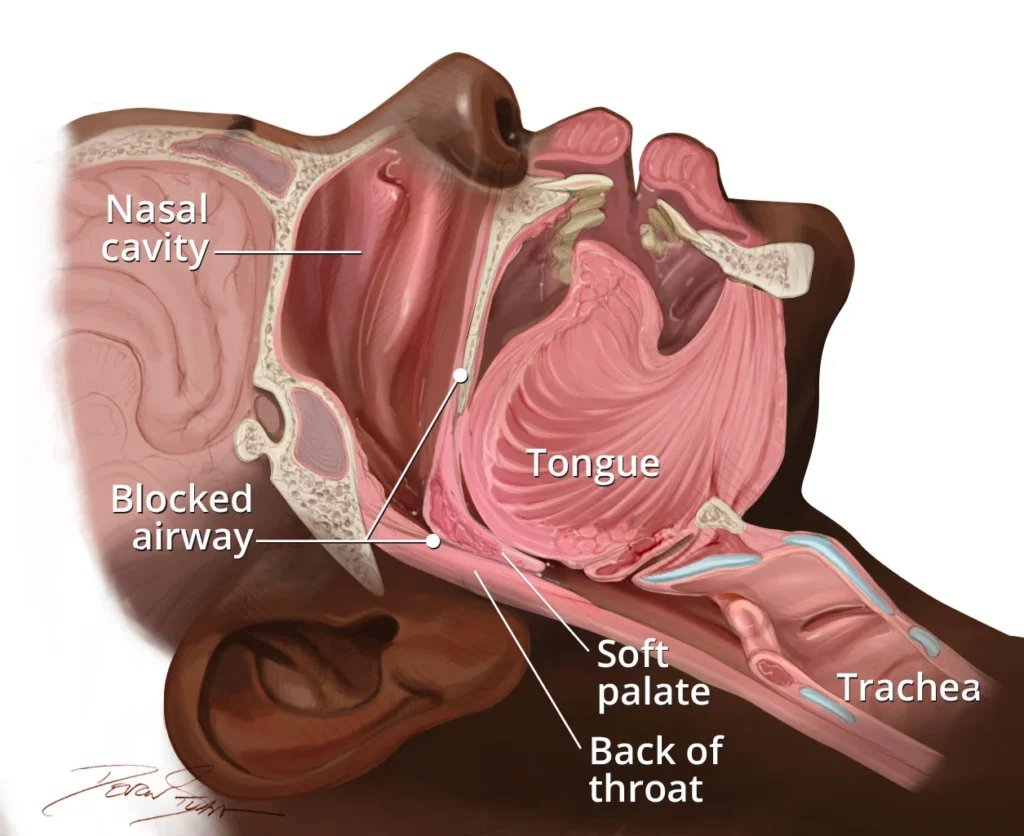
That’s why snoring is all over wellness feeds right now. People are trying sleep gadgets, travel-friendly hacks, and relationship-saving “solutions” that promise quiet nights. Some ideas help. Others are more hype than help. If you want a grounded starting point, an anti snoring mouthpiece is one of the most talked-about tools because it targets airflow mechanics, not just the sound.
Is snoring just annoying—or a sleep quality problem?
Snoring is the noise. Sleep quality is the outcome.
When your breathing gets restricted, your body may respond with micro-arousals (tiny wake-ups you don’t remember). That can leave you dragging through meetings, reaching for extra caffeine, or feeling like “burnout” is winning. And if you travel a lot, fatigue stacks fast. Jet lag plus fragmented sleep can feel like a week-long fog.
Also worth noting: not everyone with obstructive sleep apnea snores, and not everyone who snores has apnea. If you’re worried, don’t self-label. Consider a proper screening.
How can you tell if it’s snoring or sleep apnea?
A quick reality check helps. Snoring alone doesn’t confirm anything. But certain patterns should move you from “try a gadget” to “get evaluated.”
- Witnessed pauses in breathing
- Choking or gasping during sleep
- Morning headaches, dry mouth, or sore throat
- Significant daytime sleepiness or irritability
- High blood pressure or cardiometabolic risk factors (ask your clinician)
If any of these show up, prioritize medical guidance. Here’s a high-authority read framed like a search query: 6 Natural Remedies for Sleep Apnea That Improve Your Breathing.
What actually causes snoring in the first place?
Most snoring comes from vibration. Soft tissues in the throat or mouth vibrate when airflow narrows.
Common contributors include sleeping on your back, alcohol close to bedtime, nasal congestion, and jaw or tongue position. That last one is why mouthpieces get so much attention: they can change where your jaw and tongue sit while you sleep.
What does an anti snoring mouthpiece do?
In plain terms, an anti-snoring mouthpiece aims to keep the airway more open by influencing anatomy.
- Mandibular advancement style: gently brings the lower jaw forward to reduce airway collapse.
- Tongue-retaining style: helps keep the tongue from falling back.
People like them because they’re small, travel-friendly, and don’t require charging. They also fit the “sleep optimization” trend without turning your nightstand into a tech store.
Mouth tape, chin straps, belts: which trend is worth your time?
Sleep trends move fast. One week it’s mouth tape. Next week it’s a strap, a belt, or a new wearable score.
Start with safety and airflow
If you can’t breathe well through your nose, taping your mouth shut can backfire. Some people also have undiagnosed sleep apnea, and restricting airflow is not the direction you want to go. If you’re considering mouth taping, it’s smart to talk with a clinician first.
Chin straps can help, but they don’t solve everything
A chin strap may reduce mouth-opening and mouth-breathing noise for some sleepers. It doesn’t reposition the jaw the same way a mouthpiece can. For some couples, it’s a “quiet the room” tool. For others, it’s a miss.
Why combo approaches are popular
Because snoring isn’t always one-factor. Some people do better when jaw position and mouth closure are addressed together. If that’s the route you’re considering, you can look at an anti snoring mouthpiece as a single setup.
What “natural remedies” can support breathing at night?
Recent wellness coverage often highlights non-device approaches. The safest takeaway is that basics still matter, especially when snoring is mild.
- Side-sleeping: many people snore more on their back.
- Nasal support: managing congestion can reduce noisy airflow.
- Evening choices: alcohol close to bedtime can worsen snoring for some.
- Consistency: irregular sleep can amplify the “wired but tired” cycle.
Think of these as the foundation. A mouthpiece is the tool you add when the foundation isn’t enough.
How do you pick a mouthpiece without overcomplicating it?
Use a simple filter:
- Your symptoms: simple snoring vs. possible apnea signs.
- Your comfort: jaw sensitivity, gag reflex, and fit.
- Your routine: frequent travel, shift work, or inconsistent bedtime.
If you wake with jaw pain, tooth pain, or headaches, stop using it and get guidance. Comfort matters because the best device is the one you can actually tolerate.
Common relationship question: “Can I fix snoring without starting a fight?”
Yes. Keep it practical and blame physics, not personality.
Try: “I think my breathing is getting restricted at night. I want to test a couple options for both of us.” It lands better than “You say I snore.” Also, track outcomes that matter: fewer wake-ups, better mood, and less daytime crash.
FAQs
Do anti-snoring mouthpieces work for everyone?
No. They often help with simple snoring, but they may not be enough for sleep apnea or nasal blockage.
How do I know if it’s snoring or sleep apnea?
If you have loud snoring plus choking/gasping, witnessed breathing pauses, or major daytime sleepiness, get evaluated by a clinician.
Is mouth taping safe for snoring?
It can be risky for some people, especially if you have nasal congestion or possible sleep apnea. Talk with a clinician before trying it.
What’s the difference between a mouthpiece and a chin strap?
A mouthpiece aims to position the jaw or tongue to reduce airway collapse. A chin strap mainly helps keep the mouth closed, which may reduce mouth-breathing noise.
How long does it take to get used to a mouthpiece?
Many people adjust over several nights to a couple of weeks. If you have jaw pain or headaches, stop and get advice.
Next step: get a clear answer fast
If snoring is hurting sleep quality, start with the low-drama basics (sleep position, nasal breathing support, consistent schedule). If you still sound like a leaf blower, a mouthpiece may be the most direct next experiment.
How do anti-snoring mouthpieces work?
Medical disclaimer: This article is for general education and is not medical advice. Snoring can be linked to obstructive sleep apnea and other health conditions. If you have breathing pauses, choking/gasping, significant daytime sleepiness, or concerns about your health, seek evaluation from a qualified clinician.