
Snoring isn’t cute when it’s night three of bad sleep. It’s louder on work nights, worse after travel, and somehow timed to start the second your partner drifts off.
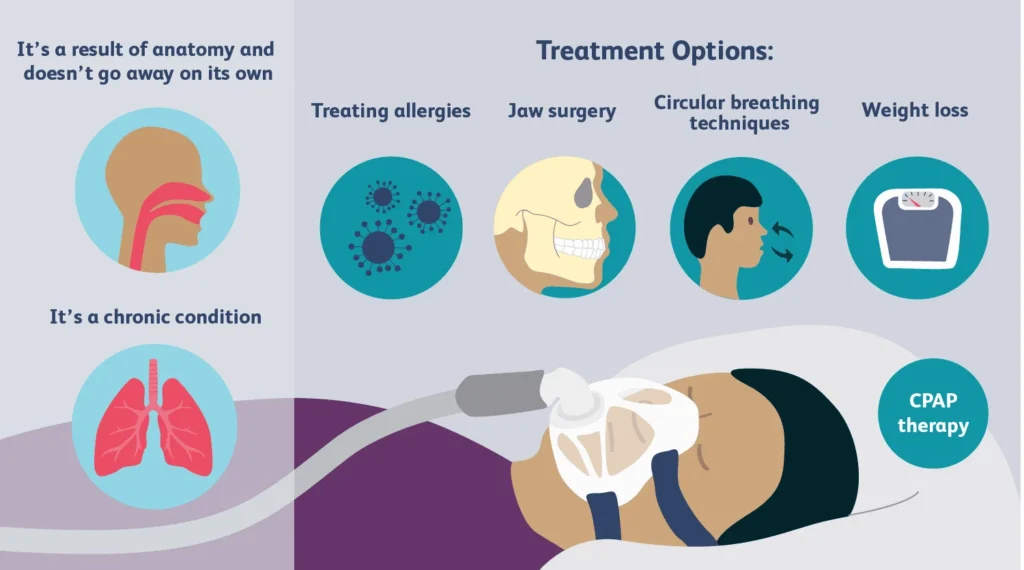
If snoring is stealing sleep quality, an anti snoring mouthpiece can be a practical tool—when you match it to the right kind of snoring and watch for red flags.
Why am I snoring more lately?
People keep blaming “getting older,” but the real story is usually a stack of small factors. Think: long flights, late meals, mouth breathing from seasonal congestion, and the stress spiral that comes with workplace burnout.
Snoring happens when airflow gets turbulent as it passes through relaxed tissues in the throat. Anything that narrows that space or increases vibration can make the noise worse.
What’s “normal” snoring vs. a bigger issue?
Occasional snoring after a rough week is common. Habitual, loud snoring that shows up most nights is different. If you also wake up unrefreshed, feel sleepy during the day, or your partner notices breathing pauses, it’s time to take it more seriously.
For context on potential causes and symptoms, see the medical overview of sleep apnea from Mayo Clinic (not a diagnosis, just a helpful baseline).
What about the vitamin D chatter?
You may have seen headlines suggesting low vitamin D might be associated with snoring. That kind of coverage tends to reflect early or mixed research and doesn’t prove cause and effect.
If you’re curious about the conversation, you can skim this roundup-style coverage here: Snoring at night? Low vitamin D might be playing a role. If you suspect a deficiency, a clinician can confirm it with appropriate testing.
What actually improves sleep quality when snoring is the problem?
Sleep advice is everywhere right now—apps, rings, “smart” pillows, and influencer routines. The basics still matter most, especially when the household is tired and patience is thin.
Start with quick, low-drama checks
- Alcohol timing: Drinking close to bedtime can relax airway muscles and worsen snoring for some people.
- Sleep position: Back-sleeping often makes snoring louder. Side-sleeping helps many people.
- Nasal airflow: Congestion and mouth breathing can amplify snoring.
- Sleep schedule: Irregular bedtimes can deepen “crash” sleep and increase snoring intensity.
These steps won’t solve every case, but they can reduce baseline irritation—especially when travel fatigue or a stressful week is the trigger.
Could an anti snoring mouthpiece help me—or my partner?
Mouthpieces are popular for a reason: they’re simple, portable, and don’t require charging. They’re also a frequent topic in “best device” roundups and reviews lately, which makes sense as more people look for non-invasive options.
What mouthpieces are designed to do
Many anti-snoring mouthpieces work by gently positioning the lower jaw forward (often called a mandibular advancement approach). That forward shift can help keep the airway more open in certain people, reducing tissue vibration.
Some products focus on tongue positioning instead. The right style depends on your comfort, your snoring pattern, and whether you can breathe well through your nose.
Who tends to do well with a mouthpiece?
- People whose snoring is worse on their back
- Those without major nasal blockage at night
- Snorers who want a travel-friendly option (hotel walls are thin)
- Couples who want a solution that feels collaborative, not blaming
When a mouthpiece is not the right “next step”
If you suspect obstructive sleep apnea, don’t self-manage with gadgets alone. Signs can include choking/gasping, witnessed pauses in breathing, morning headaches, and significant daytime sleepiness. A clinician can guide testing and treatment options.
How do we talk about snoring without starting a fight?
Snoring is physical, but the fallout is emotional. The non-snoring partner feels trapped in light sleep. The snorer feels judged. Then the jokes start, and nobody’s laughing by Thursday.
Try a “team” script: focus on sleep quality for both of you, agree on a two-week experiment, and pick one change at a time. That could mean side-sleeping support, a wind-down routine, or trying a mouthpiece consistently instead of randomly.
What should I look for when choosing a mouthpiece?
Ignore hype and look for fit, comfort, and a realistic plan to adapt. Many people quit too early because the first night feels weird.
- Adjustability: Small changes can matter for comfort and results.
- Comfort and materials: A bulky device is harder to stick with.
- Clear instructions: Especially if it’s moldable or has settings.
- Return options: Fit is personal, and not every device suits every jaw.
If you’re comparing products, start here: anti snoring mouthpiece.
Common questions
Is it okay to use a mouthpiece every night?
Some people do, but comfort and jaw symptoms matter. If you develop persistent jaw pain, tooth discomfort, or bite changes, stop and seek dental or medical guidance.
Will a mouthpiece fix my sleep quality by itself?
It can help if snoring is the main disruptor. Sleep quality also depends on schedule consistency, stress load, light exposure, and other health factors.
What if my partner snores and won’t try anything?
Keep it practical. Share how your sleep is affected, suggest a short trial, and offer options that feel low-effort. Sometimes a travel week or a big project deadline becomes the “wake-up call” that motivates change.
Next step: If you want a simple starting point, learn the basics first.
Medical disclaimer: This article is for general education only and isn’t medical advice. Snoring can be a symptom of obstructive sleep apnea or other conditions. If you have choking/gasping, witnessed breathing pauses, significant daytime sleepiness, or other concerning symptoms, seek evaluation from a qualified clinician.