
- Snoring is trending again because sleep gadgets, burnout talk, and “biohacking” culture keep sleep on everyone’s feed.
- Sleep quality beats sleep quantity. Eight hours with constant micro-wakeups can still feel awful.
- Not all snoring is the same. Position, congestion, alcohol, and weight changes can all shift your baseline.
- An anti snoring mouthpiece can be a practical first try for simple snoring, especially if you’re a back sleeper.
- Red flags matter. Loud snoring plus choking/gasping or daytime sleepiness deserves a sleep apnea conversation.
What people are talking about right now (and why)
Sleep has turned into a lifestyle category. You’ve got smart rings, bedside trackers, “sleep tourism,” and the classic travel-fatigue spiral where one red-eye flight wrecks your week. Add workplace burnout and you get a perfect storm: people want a quick fix that doesn’t feel like a full medical project.
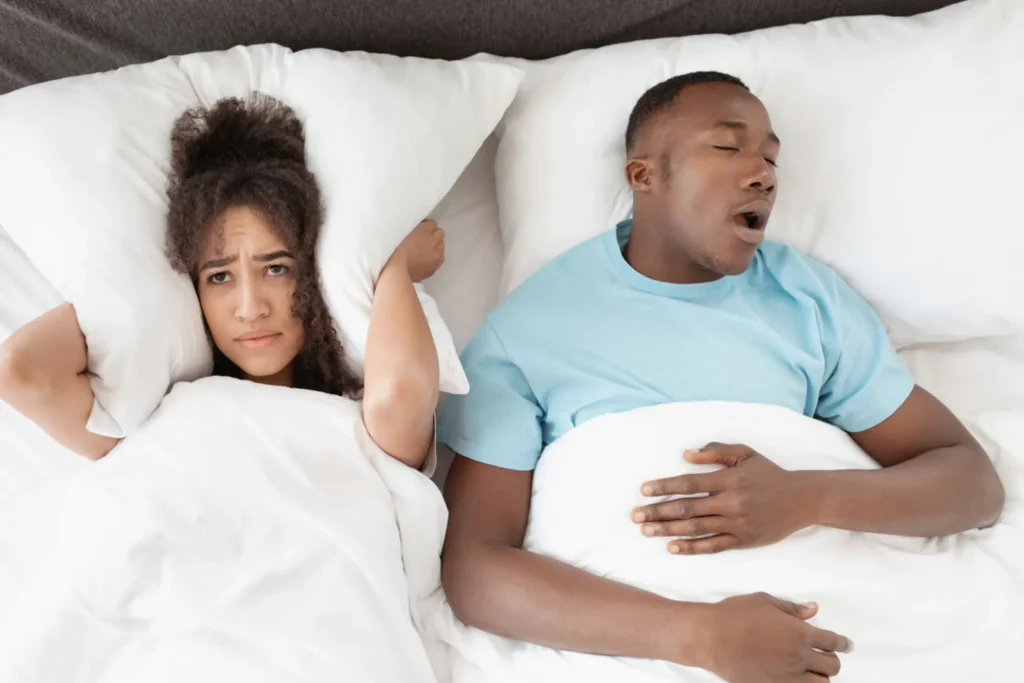
Snoring also has a relationship angle. It’s the nightly comedy sketch that stops being funny at 2:13 a.m. when someone moves to the couch. That’s why low-friction tools—like mouthpieces—keep coming up in conversations.
At the same time, recent clinical discussion has emphasized something important: sleep breathing problems aren’t one-size-fits-all. A more complete assessment can matter, because symptoms, risk factors, and severity don’t always line up neatly.
What matters medically: snoring vs. sleep apnea basics
Snoring happens when airflow makes relaxed throat tissues vibrate. It can be harmless, but it can also be a clue. Obstructive sleep apnea involves repeated partial or full airway blockage during sleep, which can fragment sleep and strain the body.
Many reputable health sources outline common signs to watch for. If you want a straightforward overview, see Rating Scales for Obstructive Sleep Apnea Syndrome: The Importance of a Comprehensive Assessment.
Why “comprehensive assessment” keeps coming up
People want a single score or a single device reading that settles the question. In reality, clinicians often combine history, symptom questionnaires, partner observations, and (when indicated) sleep testing. That fuller picture helps match the solution to the problem.
Where weight and lifestyle fit (without oversimplifying)
Weight changes can influence airway anatomy and snoring intensity for some people. Lifestyle shifts can help, but they’re not instant. If you need relief now—because your sleep is wrecked this week—shorter-term tools can still be worth considering while you work on longer-term health habits.
How to try at home: a practical mouthpiece-first experiment
If your snoring seems uncomplicated (no obvious breathing pauses, no severe daytime sleepiness), a home trial can be reasonable. The goal is simple: improve airflow and reduce vibration so sleep feels more stable for you and quieter for your partner.
1) Start with positioning (your cheapest “device”)
Back sleeping often worsens snoring. Try side-sleeping tactics before you buy anything. A body pillow, a backpack trick, or a wedge can be enough for some people.
2) ICI basics: irritation, congestion, and intake
Irritation: Dry air and mouth breathing can make tissues more reactive. Consider humidity and nasal breathing support.
Congestion: Allergies or a cold can turn mild snoring into a chainsaw impression. Addressing nasal blockage can reduce mouth breathing.
Intake: Alcohol close to bedtime relaxes airway tissues. Heavy meals late can also worsen sleep quality.
3) Mouthpiece technique: comfort, positioning, and a sane ramp-up
An anti snoring mouthpiece generally aims to keep the jaw and tongue from falling back, which can help keep the airway more open. Comfort matters as much as “tightness.” Too aggressive can lead to jaw soreness, drooling, or you ripping it out at 1 a.m.
Try a ramp-up plan:
- Night 1–2: wear it for a short period before sleep to get used to the feel.
- Night 3–7: aim for longer wear, but stop if you develop sharp jaw pain.
- Week 2: assess results using a simple log (snoring reports, awakenings, morning dryness, daytime energy).
4) Chin strap combo: why some people like it
If your snoring comes with open-mouth breathing, a chin strap can help keep the mouth closed so you maintain a better seal and reduce dryness. If you’re exploring that approach, consider an anti snoring mouthpiece as a bundled option.
5) Cleanup and care (quick, not fussy)
Rinse after use and clean daily with a gentle cleanser according to product directions. Let it dry fully. Replace it if it cracks, warps, or develops persistent odor.
When to stop DIY and get checked
Home tools are for comfort and simple snoring—not for ignoring warning signs. Talk to a clinician or a sleep specialist if you notice any of the following:
- Breathing pauses, choking, or gasping during sleep (often noticed by a partner)
- Significant daytime sleepiness, morning headaches, or concentration problems
- High blood pressure concerns or worsening cardiometabolic health discussions with your doctor
- Persistent snoring despite position changes and a mouthpiece trial
- Jaw pain, tooth movement, or bite changes after using an oral device
Also consider an evaluation if your tracker shows frequent awakenings and you feel unrefreshed most mornings. Gadgets can be a nudge, not a diagnosis.
FAQ
Can an anti snoring mouthpiece help if I only snore sometimes?
It can, especially if your snoring spikes with back sleeping, alcohol, congestion, or travel fatigue. If symptoms suggest sleep apnea, get screened.
What’s the difference between snoring and sleep apnea?
Snoring is sound from tissue vibration. Sleep apnea includes repeated breathing reductions or pauses and can meaningfully disrupt sleep and health.
How long does it take to get used to a mouthpiece?
Often several nights to a couple of weeks. A gradual ramp-up improves comfort and consistency.
Are connected sleep gadgets enough to tell if I have sleep apnea?
No. They can highlight trends, but diagnosis usually requires a clinical assessment and sometimes sleep testing.
When should I stop using a mouthpiece and talk to a clinician?
Stop and ask for guidance if you develop jaw pain, bite changes, headaches, or if choking/gasping and daytime sleepiness are part of the picture.
CTA: make the next night easier (for both sides of the bed)
If snoring is hurting sleep quality in your house, a simple trial can be worth it. Start with position, then consider an oral option that prioritizes comfort and consistency.
How do anti-snoring mouthpieces work?
Medical disclaimer: This article is for general education and is not medical advice. It does not diagnose, treat, or replace care from a qualified clinician. If you suspect sleep apnea or have severe symptoms, seek professional evaluation.