
Myth: Snoring is just an annoying sound.
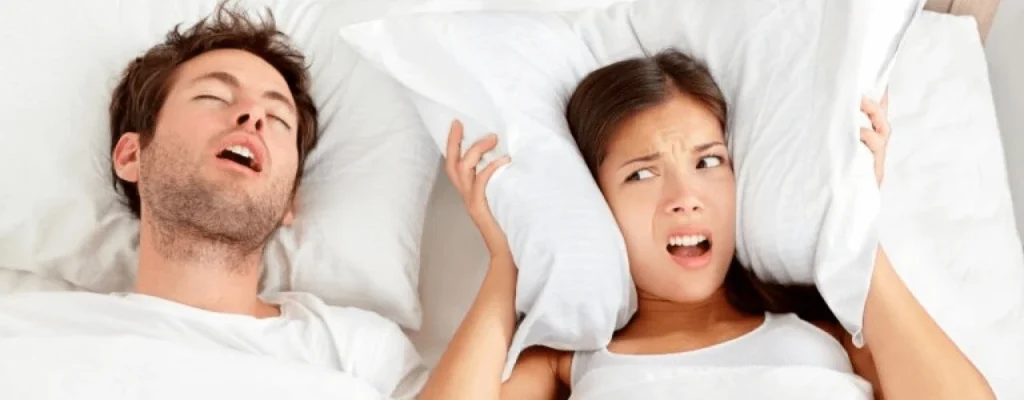
Reality: Snoring can wreck sleep quality, strain relationships, and sometimes point to a bigger breathing issue at night. That’s why it keeps showing up in health news, gadget roundups, and dinner-table jokes.
Below is a direct, practical guide to what people are talking about right now—sleep tech, travel fatigue, burnout, and where an anti snoring mouthpiece fits in.
What’s trending right now (and why it matters)
Sleep has become a full-on “optimization” category. People track sleep stages, pack eye masks for flights, and test new routines after a week of late-night emails. Snoring sits right in the middle of that trend because it affects two people at once: the snorer and the person lying next to them.
Three themes showing up everywhere
- Sleep gadgets are everywhere. Wearables, smart rings, white noise machines, and “biohacks” promise quick wins.
- Relationship fatigue is real. Couples joke about “sleep divorce,” but the stress is not funny when both people are exhausted.
- Dental sleep therapies are getting attention. Discussions around oral appliances and other dental approaches for sleep-disordered breathing are becoming more mainstream, including in professional dental publications.
If you want the broader context on dental approaches being discussed, see January JADA outlines emerging dental therapies for obstructive sleep apnea.
What matters medically (without the fluff)
Snoring happens when airflow is partially blocked and tissues in the airway vibrate. That can be influenced by sleep position, alcohol, congestion, jaw/tongue position, and anatomy.
Snoring is not the same thing as obstructive sleep apnea (OSA). Still, loud snoring plus breathing pauses, choking/gasping, or heavy daytime sleepiness deserves attention. OSA has been discussed widely in connection with overall health, including heart-related risk.
Red flags you shouldn’t ignore
- Observed breathing pauses, gasping, or choking during sleep
- Morning headaches or dry mouth with severe fatigue
- High blood pressure or new/worsening daytime sleepiness
- Falling asleep easily while driving, working, or sitting still
If these show up, don’t self-experiment forever. Get evaluated.
How to try at home (a simple, realistic plan)
Start with steps that reduce the “snore load” before you buy another gadget. Pick two changes for one week, then reassess. That beats random nightly experiments.
Step 1: Reduce the common triggers
- Side-sleep test: Many people snore more on their back. Try a side-sleep setup that’s actually comfortable.
- Alcohol timing: If you drink, avoid it close to bedtime for a week and compare.
- Nasal comfort: Address dryness or congestion in a basic way (hydration, shower steam, or other gentle routines that work for you).
Step 2: Be cautious with viral “hacks”
Mouth taping gets a lot of attention. The conversation is bigger than the evidence most people have on hand. If you have nasal blockage, anxiety around breathing, or possible sleep apnea symptoms, don’t treat it like a harmless trend.
Step 3: Consider a mouthpiece if the pattern fits
An anti-snoring mouthpiece is often designed to keep the lower jaw and/or tongue in a position that supports airflow. It can be a practical option when snoring seems tied to jaw position or back-sleeping.
If you’re comparing products, start here: anti snoring mouthpiece.
When to seek help (and what to ask for)
If snoring is frequent, disruptive, or paired with red flags, bring it to a clinician. Ask about screening for sleep apnea and whether an oral appliance evaluation makes sense for you.
Dental sleep medicine is a real lane, but it’s not one-size-fits-all. A trained professional can check fit, jaw comfort, and whether symptoms suggest you need a sleep study first.
Relationship script (so it doesn’t turn into a fight)
Try this: “I’m not blaming you. I’m not sleeping, and I’m worried about your breathing. Can we run a two-week plan and track what changes?”
Make it a shared project. Burnout plus broken sleep makes everything sharper—tone, patience, and conflict.
FAQ: quick answers people want
Can a mouthpiece replace CPAP?
Sometimes oral appliances are used for certain cases, but CPAP is still commonly prescribed for many people with OSA. The right choice depends on diagnosis and severity.
How do I know if my snoring is “positional”?
If it’s much worse on your back and improves on your side, position likely plays a role.
What if I travel a lot and snore more on trips?
Travel fatigue, alcohol, dehydration, and unfamiliar pillows can all worsen snoring. Keep your routine simple and consistent when you can.
CTA: one next step that’s easy to act on
If snoring is hurting sleep (and your relationship), don’t wait for the “perfect” gadget. Start with a plan, then pick a tool that matches your pattern.
How do anti-snoring mouthpieces work?
Medical disclaimer: This article is for general education and is not medical advice. Snoring can have multiple causes, including sleep apnea. If you have choking/gasping, breathing pauses, chest pain, severe daytime sleepiness, or other concerning symptoms, seek evaluation from a qualified healthcare professional.