
On the last night of a work trip, someone in a hotel room finally gave up and built a “pillow wall” down the middle of the bed. The next morning, the joke wasn’t about the minibar. It was about the snoring—and how wrecked everyone felt at breakfast.
That’s the moment a lot of people hit: snoring stops being funny and starts feeling like a sleep-quality problem. Add today’s buzz around sleep gadgets, wearable scores, and burnout recovery, and it makes sense that mouthpieces and other anti-snore tools are getting so much attention.
Why is everyone suddenly talking about snoring and sleep health?
Sleep has become a mainstream health trend. People track “readiness,” try new bedtime routines, and swap travel-fatigue hacks like they used to swap coffee recommendations.
At the same time, snoring is a loud, shared problem. It affects partners, roommates, and even coworkers on overnight travel. That social pressure pushes people to look for something practical they can try at home.
You’ll also see more market chatter about anti-snoring devices, including forecasts and product roundups. Translation: more options, more ads, and more confusion about what’s legit.
What does an anti snoring mouthpiece actually do?
An anti snoring mouthpiece is designed to reduce snoring by changing airflow during sleep. Many styles work by gently positioning the lower jaw forward to help keep the airway more open.
That can matter because snoring often comes from vibration in relaxed throat tissues. When airflow gets turbulent, noise happens. If a mouthpiece reduces that turbulence, the room gets quieter and sleep can feel more stable.
What it can help with
- Habitual snoring that seems worse on your back
- Snoring tied to jaw position or a narrow airway feeling
- Relationship sleep stress (the “I’m moving to the couch” phase)
What it can’t promise
- A cure for every type of snoring
- Coverage for underlying medical conditions
- Perfect comfort on night one
How do you know if snoring is “just snoring” or something bigger?
This is where the conversation has shifted lately. More outlets have highlighted a key point: you can have sleep-disordered breathing even if you don’t snore. If you’re worried, start by learning the general Europe Anti-snoring Device Market Size and Forecast 2025–2033.
Snoring plus poor sleep can come from many causes. Some are simple (alcohol close to bedtime, congestion, back sleeping). Others need screening.
Screening cues to take seriously
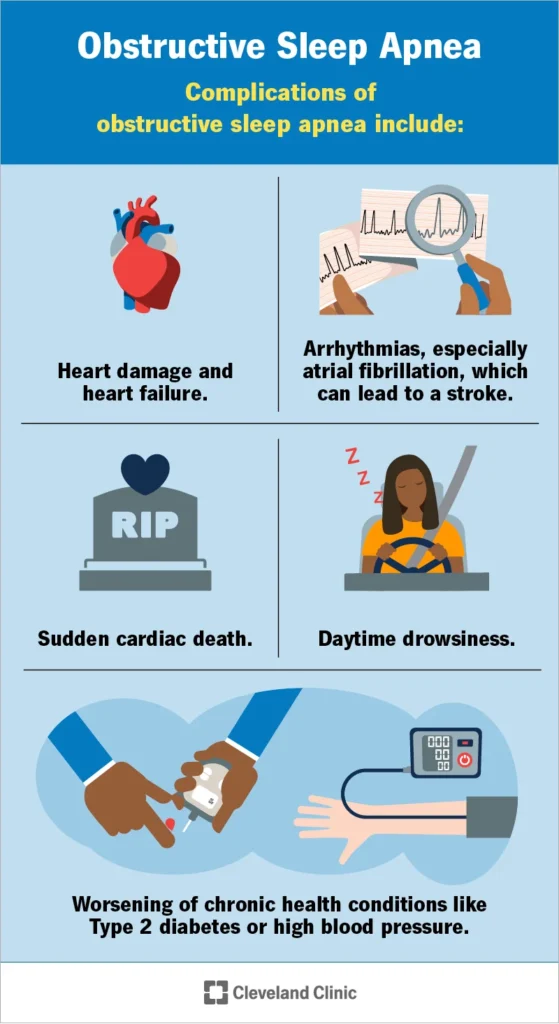
- Gasping, choking, or witnessed breathing pauses
- Morning headaches or dry mouth that feels extreme
- High daytime sleepiness, near-miss driving moments, or brain fog
- High blood pressure concerns (current or newly developing)
If these show up, don’t “DIY” your way through it. A mouthpiece may still play a role, but medical screening should come first.
Which anti-snore devices are people choosing right now?
People are comparing options more than ever. You’ll see lists that group devices into a few buckets: mouthpieces, nasal supports, positional aids, and tech-forward gadgets.
Mouthpieces keep showing up because they’re portable and don’t require charging. They also fit the travel-fatigue reality: you can toss one in a toiletry bag and avoid a week of miserable sleep in a new bed.
Mouthpiece vs. “sleep gadget” mindset
A wearable can tell you that you slept poorly. A snoring solution aims to change what happens during sleep. If your main issue is noise and fragmented rest, it’s reasonable to prioritize tools that target airway mechanics over tools that only track outcomes.
What should you check before buying a mouthpiece?
Choosing quickly is tempting, especially when a partner is elbowing you at 2 a.m. But a short checklist helps you reduce risk and make a decision you can defend later (to yourself, your dentist, and your sleep).
Safety and fit checklist
- Dental status: If you have loose teeth, gum disease, crowns that feel unstable, or significant dental work, ask a dentist first.
- Jaw comfort: A history of TMJ pain, clicking, or locking is a reason to be cautious.
- Materials and cleaning: Follow the manufacturer’s cleaning instructions. Don’t share devices. Replace if it cracks or deforms.
- Return policy: Comfort is personal. A trial window matters.
Document your “before” for a fair test
- Note how often snoring wakes your partner (or you)
- Track morning energy and headaches for 7–14 days
- Record triggers like alcohol, late meals, and congestion
This keeps the decision grounded. It also helps you notice if the problem is bigger than snoring alone.
How can you support sleep quality while addressing snoring?
Snoring tools work best when your sleep habits aren’t fighting them. You don’t need a perfect routine. You need a consistent one.
- Protect a wind-down window (even 20–30 minutes helps)
- Keep alcohol earlier when possible, since it can relax airway tissues
- Try side-sleeping if snoring is worse on your back
- Handle congestion with basic, non-medicated comfort steps (like humidity)
Where can you compare mouthpiece options?
If you’re ready to look at a mouthpiece approach, start with a clear product page and straightforward guidance. Here are anti snoring mouthpiece to review before you decide.
CTA: Want the simple explanation first?
How do anti-snoring mouthpieces work?
Medical disclaimer: This article is for general education only and isn’t medical advice. Snoring and poor sleep can have multiple causes. If you have symptoms of sleep apnea or develop jaw/tooth pain with any device, talk with a qualified clinician or dentist.