
At 2:13 a.m., someone in a hotel room scrolls through sleep gadgets on their phone. The room is dark, the flight was delayed, and tomorrow’s meeting starts early. Across the bed, their partner does the classic “elbow nudge,” half annoyed, half laughing. Snoring turns into a relationship joke—until it starts stealing real sleep.
That mix of burnout, travel fatigue, and “sleep optimization” culture is why snoring is getting so much attention right now. People want practical fixes, but they also want safe ones. If you’re searching for an anti snoring mouthpiece, this guide will help you make a smarter, better-documented choice.
Why is everyone suddenly talking about snoring and sleep quality?
Because poor sleep has become a daily-life problem, not a niche health topic. You see it in workplace burnout talk, in wearable sleep scores, and in the growing market of connected sleep tools. Snoring is one of the few sleep issues that is loud enough to force action.
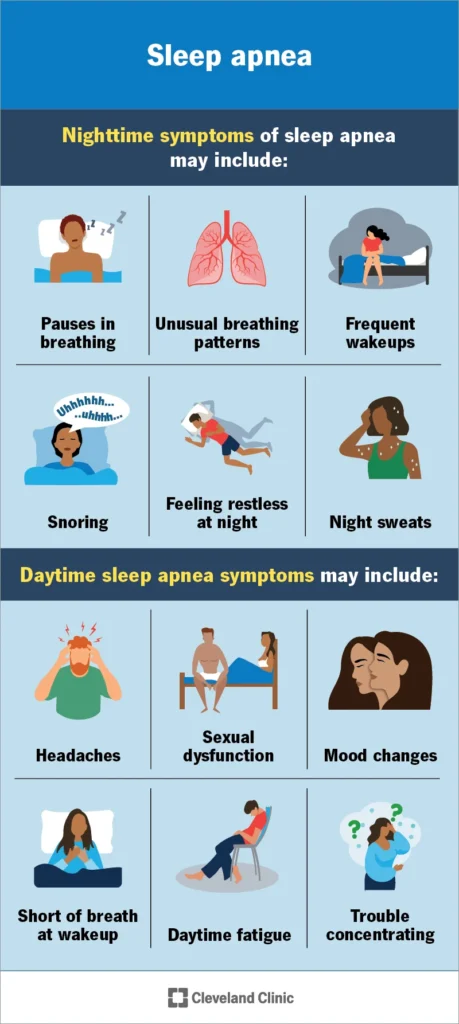
There’s also a bigger concern behind some snoring: sleep-disordered breathing. Not every snorer has sleep apnea, but the overlap is real. If you want a credible overview of red flags, review Sleep apnea – Symptoms and causes. Use it as a screening checklist, not a self-diagnosis tool.
What actually causes snoring (and when is it more serious)?
Snoring usually happens when airflow gets restricted and soft tissues vibrate during sleep. Common contributors include sleeping on your back, nasal congestion, alcohol close to bedtime, and anatomy that narrows the airway.
Signs you should not ignore
- Observed breathing pauses, choking, or gasping
- Excessive daytime sleepiness or “brain fog” that doesn’t match your schedule
- Morning headaches or dry mouth
- High blood pressure or worsening cardiometabolic health concerns
If those show up, treat “stop snoring” content like a starting point, not the finish line. Screening protects your health and helps you choose the right solution.
Do anti-snoring mouthpieces work, or is it just hype?
For the right person, a mouthpiece can reduce snoring by improving airflow. Many designs work by supporting the lower jaw and tongue position to keep the airway more open. Results vary. Fit, comfort, and consistency decide whether it helps your sleep quality or ends up in a drawer.
Recent coverage has also highlighted oral appliances being studied and integrated into more “connected care” approaches. That doesn’t mean every device is the same. It does mean mouth-based solutions are part of the mainstream conversation, not a fringe idea.
What to track if you want a real answer (not vibes)
- Partner report: fewer wake-ups, less volume, fewer nudges
- Morning feel: less grogginess, fewer headaches
- Night pattern: less waking, fewer bathroom trips
- Comfort: no jaw pain, tooth pain, or bite change
Write this down for two weeks. If you later talk to a clinician or dentist, this record helps. It also reduces the risk of “trying everything” without learning anything.
Is mouth taping a smart snoring fix or a risky trend?
Mouth taping is having a moment. People like the simplicity. But “simple” isn’t always “safe.” If your nose is blocked, forcing mouth closure can feel distressing and may worsen sleep. It can also be a bad idea if you may have sleep apnea, reflux, or anxiety about breathing.
If you’re tempted by trends, start with safer steps: improve nasal airflow, adjust sleep position, and consider a mouthpiece that doesn’t rely on adhesives. When in doubt, screen for red flags first.
How do I choose an anti snoring mouthpiece without making things worse?
A good choice balances effectiveness with low risk. You want something you can actually wear, clean, and tolerate.
Safety-first checklist (use this before you buy)
- Jaw history: If you have TMJ pain, locking, or frequent clicking, be cautious.
- Dental status: Loose teeth, active gum disease, or major dental work in progress are reasons to pause.
- Breathing red flags: If you suspect sleep apnea, prioritize evaluation.
- Hygiene plan: Know how you’ll clean it daily and store it dry.
Consider a combo approach if mouth breathing is part of the problem
Some people snore more when their mouth falls open, especially during travel or allergy season. In those cases, pairing jaw support with gentle mouth-closure support can be appealing.
If you’re comparing options, see this anti snoring mouthpiece. It’s a straightforward way to trial two complementary supports while you track results.
What should I do first if snoring is hurting my relationship?
Start with a two-part plan: reduce friction, then test solutions. Agree on a short experiment window (like 14 nights). Keep the tone light. Make it about sleep quality for both people, not blame.
A practical “14-night” experiment
- Night 1–3: side-sleeping support + nasal hygiene (if congested)
- Night 4–14: add a mouthpiece trial and track comfort + outcomes
- Any night: stop and reassess if pain, panic, or breathing concerns show up
This approach also helps with documentation. If you later seek care, you can explain what changed, what helped, and what didn’t.
Common mistakes that keep people stuck
- Chasing gadgets without screening: snoring can be benign, but it can also be a signal.
- Ignoring fit and comfort: discomfort kills consistency, and consistency drives results.
- Skipping cleaning: a dirty device can irritate gums and create avoidable problems.
- Assuming louder means “worse person”: snoring is physiology, not character.
CTA: want the quick, practical next step?
If you’re ready to trial a mouthpiece in a simple, trackable way, start with a solution you can use consistently and clean easily. Then measure what changes.
How do anti-snoring mouthpieces work?
Medical disclaimer: This article is for general education and does not provide medical advice or a diagnosis. Snoring can be a symptom of sleep apnea or other conditions. If you have breathing pauses, gasping, chest pain, severe daytime sleepiness, or worsening symptoms, seek evaluation from a qualified clinician.